Life at the Water's Edge: Wetland Bird Photography
Capturing the grace of waders and the fleeting movements of water birds in wetlands like Najafgarh and Dhanauri.
A Great White Pelican makes a dramatic landing, splashing into the water with its huge wings spread wide.
A River Tern dives to catch a fish at Najafgarh Lake, its reflection captured in the water at the moment of impact.
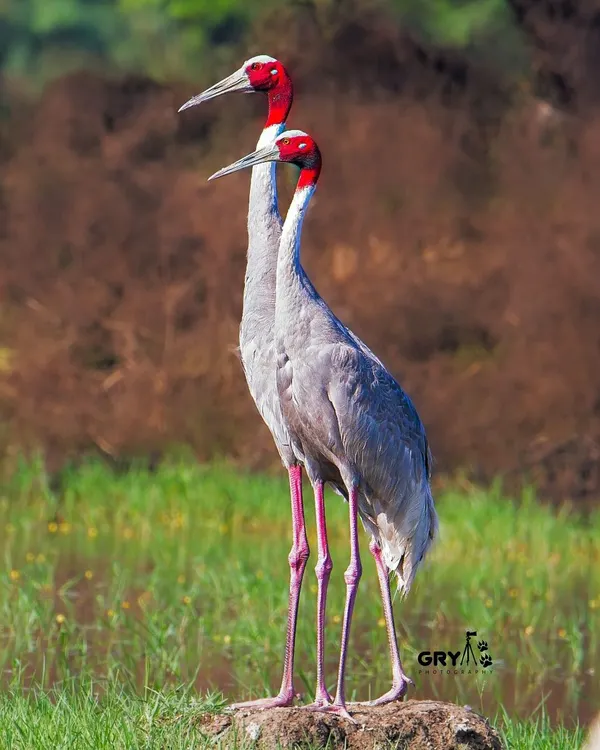
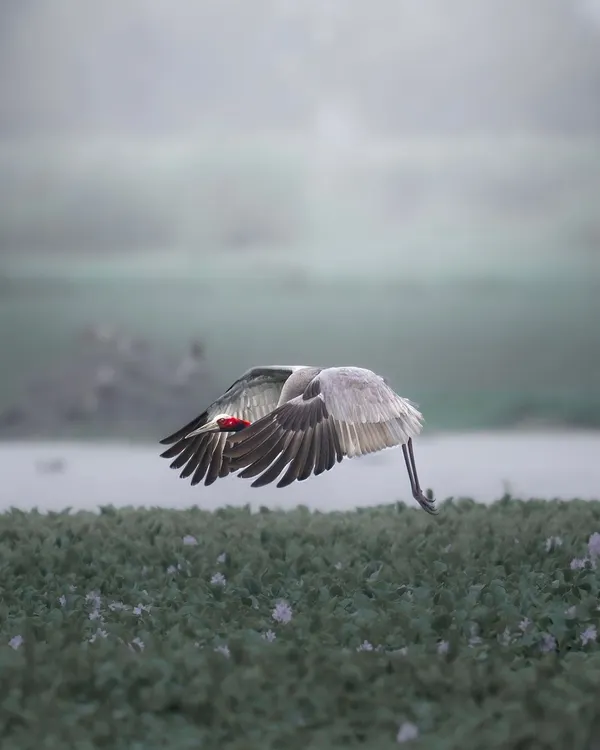
A Sarus Crane, the world's tallest flying bird, in graceful flight over the Dhanauri Wetlands.
A sub-adult Painted Stork wading through the shallow waters of Sultanpur National Park, its reflection trailing behind.
A beautiful silhouette of Egrets in action during the golden hour at Najafgarh Lake.
A Watercock stands near a barbed-wire fence, a stark reminder of the intersection of wildlife and human landscapes.
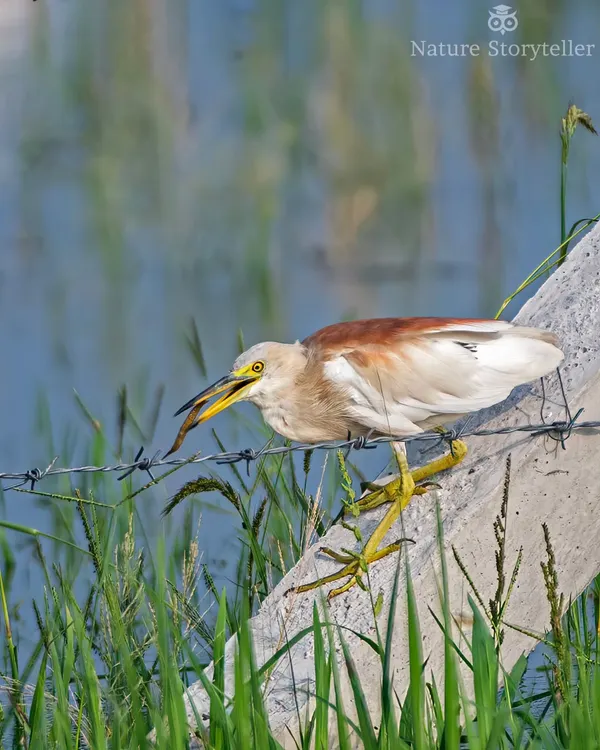
A Cinnamon Bittern in flight, its warm brown wings contrasting against the pale sky over Dhanauri Wetlands.
A male Watercock in flight, its dark body and distinctive yellow shield visible.
An Indian Roller captured mid-flight, showing the stunning shades of blue on its wings.
A male Watercock taking off, its wings powerfully beating the air.
About Life at the Water's Edge
Water birding demands more than just patience, it requires understanding the habitat. When I shoot at places like Najafgarh or Dhanauri, I spend time observing the tide and the light before even setting up my tripod. These shots aren't just about the bird; they are about the reflection, the angle of the approach, and the behavior of the bird in the water.
Behind the Lens in India's Wetlands
Photography in wetlands is a game of angles and anticipation. Unlike forest photography where you wait for a subject to walk into a frame, wetland photography requires you to anticipate the splash, the take-off, or the dive. Whether it is a Painted Stork wading through Sultanpur National Park or a Black-winged Stilt feeding at Najafgarh Lake, the challenge is always the same: keeping the background clean while capturing the action.
Essential Techniques for Wetland Shoots
- Understanding the Golden Hour: Most of my best shots come in the early morning or late afternoon when the water surface acts like a natural reflector. This light creates those soft silhouettes and crisp reflections that turn a simple record shot into art.
- Gear Mastery: For birds in flight, I rely on my Nikon D500 with a 200-500mm lens. It gives me the reach I need without having to get so close that I disturb the birds. Speed is critical; you have to track the subject and lock focus before they even realize you are there.
- Subject Identification: Knowing your subject is half the battle. When I photograph a Watercock (or 'Kora' as we call it), I look for the specific reeds they hide in. Knowing their territorial behavior helps me position myself where they are likely to emerge.
Why Conservation Matters
Every shot of a Sarus Crane or a Cinnamon Bittern is a reminder of what we stand to lose if we neglect these spaces. Dhanauri and Najafgarh are not just locations; they are critical lifelines for these species. When you join one of my photography walks, we don't just talk about ISO or aperture. We talk about the importance of the habitat, the threat of pollution, and why these birds choose these specific waters to feed and breed. My goal is to help you take better photos, but also to leave you caring a little more about the wild places where these birds live.
Similar work from other experts
Browse through Curated picks from other experts on mytribe
 15
15
Wetland Wonders: Birds of India's Waterlands
 81
81
Capturing the Birds of India's Wetlands
 60
60
Wetland Wildlife Photography and Documentation
 72
72
Water World: Life by the River
Birds of Prey and Wetland Photography
 42
42
Waders & Waterbirds Photography Tours
More from Wildlife & Nature Photography by PGahlot Photography
More services by PGahlot Photography