Tracking Mammals Across the Indian Subcontinent
From the majestic tuskers of Corbett to the shy spotted deer of the Western Ghats, I help you capture the wild, untamed stories of India's diverse mammal species.
A large herd of elephants, including several young calves, crossing a jungle road in Jim Corbett. Witnessing these family groups move through the forest is a truly magical experience.
A magnificent tusker elephant, known as a 'tusker', walking through the grasslands. These large males are a symbol of the wild and make for incredible photo subjects.
A herd of elephants with a calf. The social dynamics and protective nature of the herd are fascinating to observe and photograph.
The gentle giant of Dhikala, a massive tusker, walking calmly along the safari track. Close encounters like this are the highlight of any trip to Corbett.
An elephant mother and her calf, a tender moment that showcases the strong family bonds within the herd.
An elephant safari at sunrise in Kanha National Park. This offers a different perspective and allows for quiet, close approaches to wildlife.
A montage of a safari in Jim Corbett, showing the beautiful landscapes, river crossings, and encounters with elephants. This gives a feel for the overall safari experience.
A Spotted Deer stag with one shed antler and one new one growing in velvet. This shot provides a great opportunity to discuss the biology of antler growth on my tours.
A pair of Spotted Deer, one with antlers in velvet. These beautiful animals are a crucial part of the ecosystem and a favorite subject for photography.
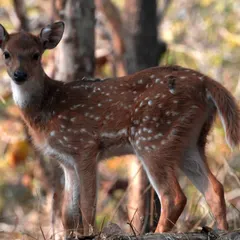
A Spotted Deer stag stands alert on a forest path. Their constant vigilance is a reminder that predators are never far away.
About Mammals of the Indian Subcontinent
Tracking mammals isn't about speed; it's about reading the signs the forest leaves behind. On these tours, we spend our time interpreting alarm calls and tracking footprints, which means we often turn off the jeep engine and sit in complete silence for long stretches to let the jungle reveal itself. Come prepared for the stillness.
India’s wilderness offers more than just tigers. Whether it’s watching a herd of elephants cross a jungle track in Jim Corbett or catching the alert gaze of a spotted deer stag in the Western Ghats, the real joy lies in the patience required to witness these quiet behaviors.
My approach prioritizes behavior over simple portraiture. We do not just drive for sightings. We look for the reasons behind animal movements. What are the alarm calls telling us about nearby predators? During our sessions, I walk you through reading these subtle cues, which is the difference between a lucky snap and a well-composed wildlife story.
Mammals are often active during low light, like dawn or dusk. We cover settings for those tricky conditions, managing ISO and aperture to get sharp results without compromising the atmospheric quality of your shots. Whether you are using a telephoto lens or a standard zoom, the goal is to tell the animal's story in its habitat.
We focus on diverse ecosystems, from the moist deciduous forests of Bandipur to the riparian zones of Corbett. Every park has a different rhythm, and part of the learning is adapting your photography style to fit the specific habitat you are shooting in. Whether you want to photograph the powerful gait of a tusker or the delicate behaviors of smaller mammals, we focus on capturing the spirit of the animal.
Similar work from other experts
Browse through Curated picks from other experts on mytribe
 10
10
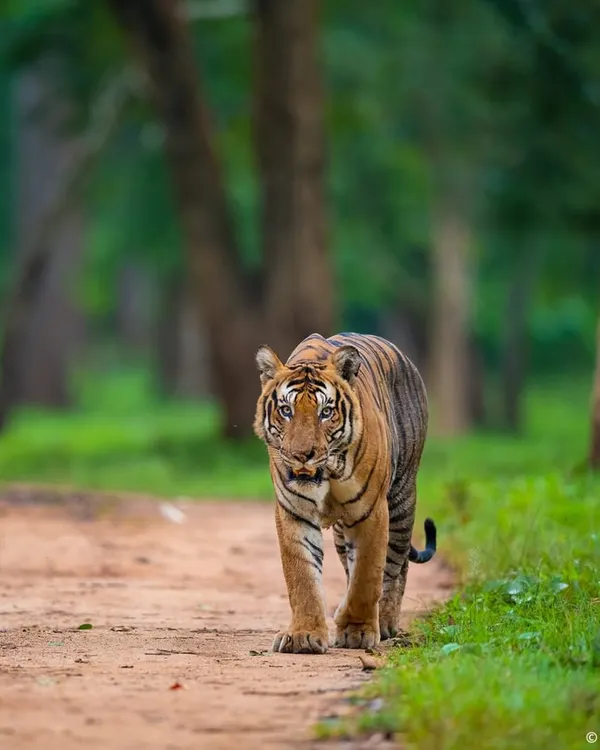
Tracking Mammals of the Ghats and Plains
 66
66
Wildlife Photography Safaris in Kabini & Bandipur
 7
7
Authentic Wildlife Encounters and Nature Photography
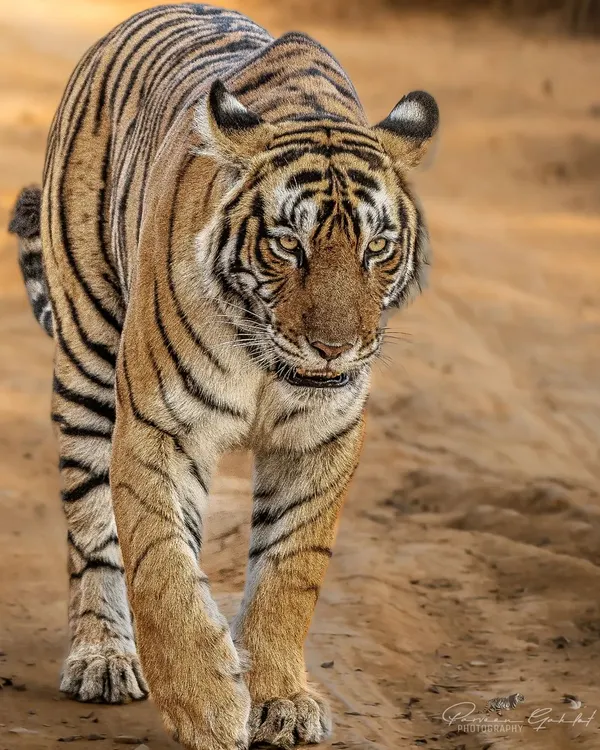 23
23
Big Cats of the Jungle: Tiger & Leopard Photography
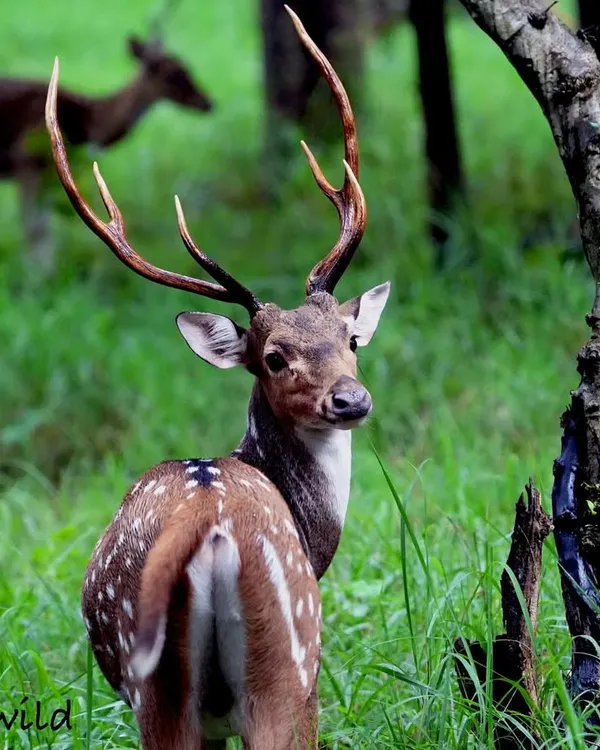 12
12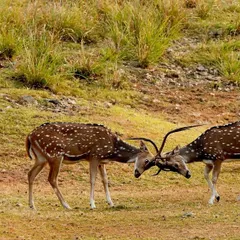
Jungle Encounters: Mammals of the Forest Photography
 6
6
The Complete Ecosystem: Rare & Unique Mammals
More from Guided Wildlife Photography Tours & Safaris by Mahesh Reddy
More services by Mahesh Reddy