Birds of Prey: Mastering Raptor Photography
From the lightning-fast Peregrine Falcon to the majestic Changeable Hawk-Eagle, capturing raptors requires specific patience and technique. Learn how to track these predators across Delhi NCR and beyond.
A close-up portrait of a Changeable Hawk-Eagle at Rajaji Tiger Reserve, its fierce gaze and sharp beak highlighting its predatory nature.
The Peregrine Falcon, the fastest animal on Earth, perches with a powerful stance, its feathers ruffled after a bath.
A Common Kestrel takes flight from a wooden post in Tal Chappar Blackbuck Sanctuary, demonstrating the explosive power of these small falcons.
A juvenile White-eyed Buzzard soars with its intricately patterned wings spread wide, showcasing the details we teach you to capture in flight.
An Osprey, also known as a fish hawk, glides effortlessly across the sky above Najafgarh Lake, a testament to its mastery of the air.
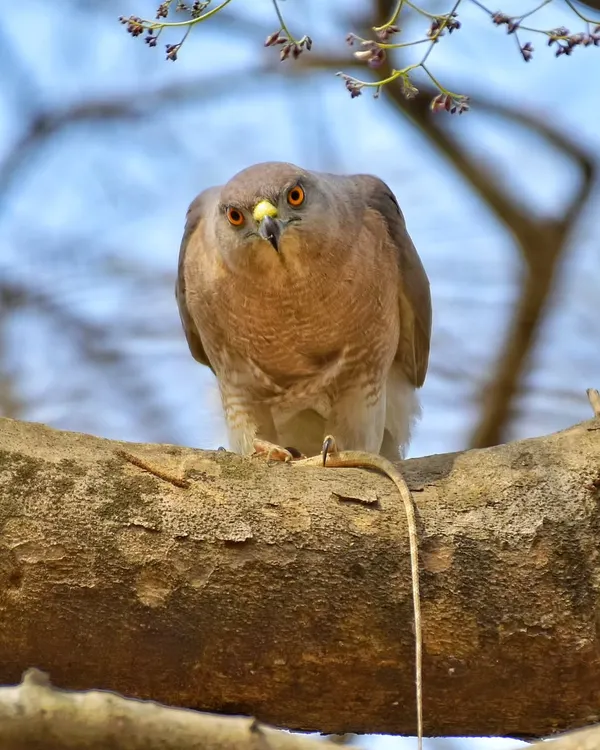
A male Shikra, a small but fearless goshawk, perches alertly in a tree in Dwarka, New Delhi, its red eyes scanning for movement.
A dramatic mid-air chase unfolds as a crow mobs a Shikra, demonstrating the dynamic interactions you can witness and capture in the wild.
An Egyptian Vulture, also known as Pharaoh's chicken, forages on the ground in Rajaji National Park, showcasing its unique appearance and behavior.
A Marsh Harrier flies low over the wetlands of Gurugram, its silhouette a classic sight for birdwatchers.
A Red-necked Falcon, with its distinct rufous crown and yellow eye-ring, perches on a bare branch in Sultanpur.
About Birds of Prey: Eagles, Falcons & Vultures
When you are tracking a hunting raptor, the background is just as important as the bird. In locations like Sultanpur Flats or the Dhanauri Wetlands, I spend time scouting the angle of the sun to ensure we get clean separation. My sessions focus on teaching you how to anticipate these hunting behaviors—so you are not just reacting to sudden motion, but ready for the strike before it happens.
Tracking and Capturing Raptors
Raptor photography is the ultimate test of reflexes and field craft. Unlike songbirds, raptors—like the Common Kestrel or the fierce Shikra—often demand a different approach to AF settings and shutter speed management. During our field sessions, we look at the 'why' behind the bird's movement. Is it soaring in thermals, or is it perching and scanning the ground for prey? Understanding these cues is the difference between a blurry shape and a sharp portrait.
Technical Field Notes
- Camera Settings: We practice moving off Auto mode to manage exposure for birds against bright skies. For in-flight shots of a Marsh Harrier or Osprey, we focus on continuous autofocus (AF-C) and higher shutter speeds.
- Gear Handling: Whether you are using a Nikon D500 or an OM-1, I help you customize your buttons for quick changes in the field, so you aren't fumbling with menus when a falcon dives.
- Ethics: We prioritize the bird's comfort. I teach you how to maintain a respectful distance that keeps the subject calm, ensuring natural behavior that results in more authentic images.
Why Join a Session?
Photography is a shared language. We meet in environments like Rajaji National Park or the local biodiversity parks of Delhi-NCR. You are not just getting a guide; you are getting a peer who will review your shots on the spot, help you read the histogram, and identify the species you’ve just captured, from the unique eye-ring of a Red-necked Falcon to the distinct patterns of a juvenile White-eyed Buzzard.
Similar work from other experts
Browse through Curated picks from other experts on mytribe
 29
29
Raptors: Hunters of the Sky
 23
23
Hunters of the Sky: Raptor and Bird of Prey Photography
 14
14
The Art of Wildlife Photography in Delhi NCR
 32
32
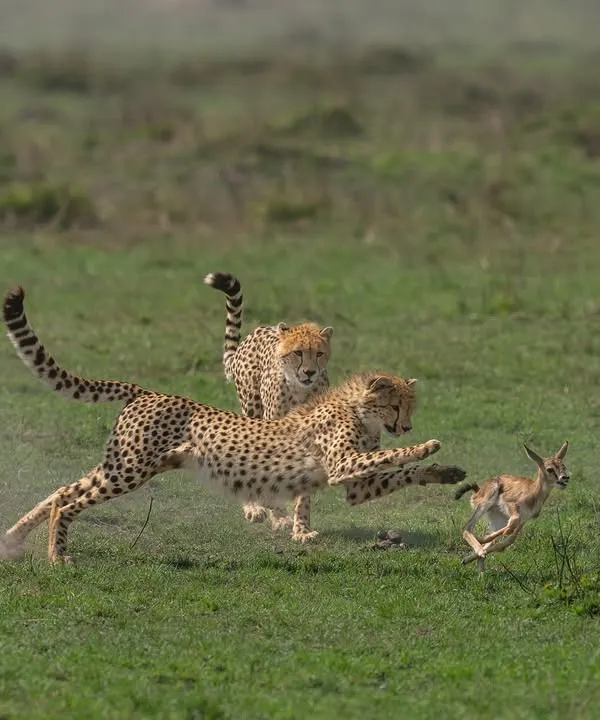
Wildlife Action Photography: Capturing High-Speed Survival
 10
10
Dynamic Bird Action Photography in Delhi NCR
 28
28
Majestic Birds of India: Wildlife Photography Portfolio
More from Photography Workshops & Walks by PGahlot Photography
More services by PGahlot Photography