Wildlife Action Photography: Capturing High-Speed Survival
The wild does not pause for a photo, and that is exactly what makes it thrilling. Here is how I freeze those high-speed hunts and survival moments, turning raw instinct into a sharp, storytelling frame.
To capture a cheetah hunt, you need to be ready before the action starts. I anticipated this chase, setting a high shutter speed to freeze the explosive speed of the fastest land animal. My Sony Alpha 1's 30 fps burst and flawless eye-tracking ensured I didn't miss the critical moment of the chase.
A continuation of the cheetah chase, showing the incredible agility of both predator and prey. Each frame in a sequence like this tells a part of the story. Learning to follow the action while maintaining sharp focus is a key skill I teach on my tours.
The chase intensifies. Dust kicks up from the ground as the cheetahs close in. Freezing this level of motion requires a shutter speed of 1/2000s or faster, which I balance with aperture and ISO to maintain a clean, sharp image.
A moment of hesitation and strategy. The cheetah assesses its prey. Understanding animal behavior helps you predict these pauses in action, giving you a chance to recompose and prepare for the final move.
The chase continues with the cheetahs working together. Capturing multiple fast-moving subjects is a challenge, but my gear's advanced autofocus tracking allows me to keep the main subjects sharp while telling a wider story.
The hunt concludes. The cheetah secures its meal, a raw and powerful display of the circle of life. These are the moments that define the wild, and capturing them ethically and respectfully is paramount.
Another angle of the cheetahs with their kill. Action photography isn't just about the peak moment, but also the moments that follow. This frame shows the collaborative effort and the raw reality of survival in the savanna.
The game of survival is a constant drama in the wild. Here, two cheetahs have successfully hunted a fawn. Capturing this required not just fast gear but an expert guide to get us in the right position at the right time.
A fawn surrounded by two cheetah brothers. This tense moment before the chase is filled with suspense. My job as a photographer is to capture that emotion, telling the story of what's about to unfold.
The intensity in this lioness's eyes as she secures her wildebeest kill is captivating. I used a fast shutter speed up to 1/4000s to freeze the action, which is essential for such dynamic scenes. My Sony Alpha 1 handles these high-speed, low-light situations flawlessly.
About The Thrill of the Hunt: Action & Survival
To catch a cheetah in mid-stride or a lion's pounce, you cannot just react, you have to pre-visualise. I often tell my workshop participants that if you are waiting to see the action before pressing the shutter, you have already missed it. You need to read the animal's body language, anticipate the break in the pattern, and have your camera settings, like shutter speed and focus tracking, dialed in before the dust even kicks up.
Capturing high-speed movement is not about luck, it is about physics and patience. When we are on safari, I do not just tell students to shoot fast. We break down the exposure triangle in real-time. If the light is harsh, we adjust the ISO. If the animal is moving rapidly, we lock our focus. Jab camera haath mein set ho gaya, toh asli photo ka maza aata hai (When your camera feels set in your hands, that is when photography gets fun).
A major part of my mentorship involves teaching you how to use your equipment—whether it is a Sony Alpha or any other body—to track subjects effectively without chimping at your screen. We also prioritize ethical shooting. You will learn how to position your vehicle to get the shot without interrupting the hunt. These action sequences, from the savanna of Masai Mara to the dense jungles of Jim Corbett, require a deep understanding of animal behavior. Whether it is a leopard chase or a territorial conflict, you need to be ready to capture the story, not just the motion. Join me on a tour, and I will help you move beyond the auto settings to start truly anticipating the wild.
Similar work from other experts
Browse through Curated picks from other experts on mytribe
 7
7
Capturing Action: Birds in Flight & Motion
 8
8
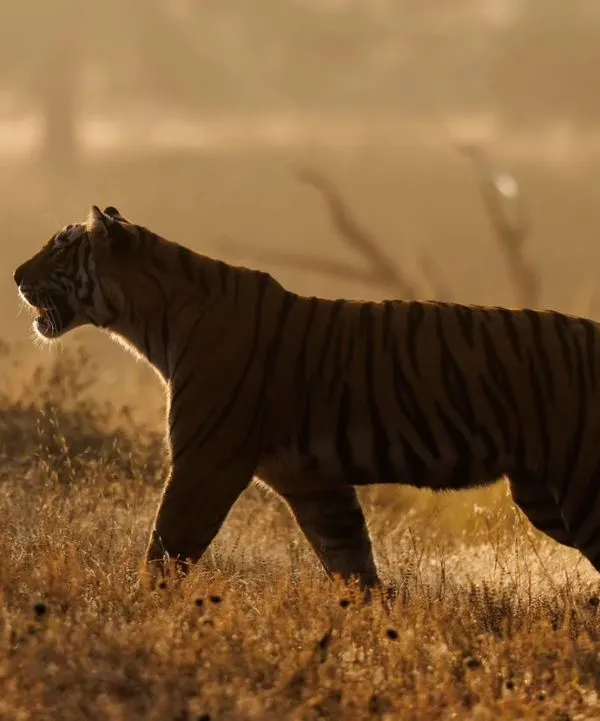
My Wildlife Photography Portfolio: Light, Motion, and the Wild
 19
19
Creative Wildlife Photography: Mastering Light and Mood
 10
10
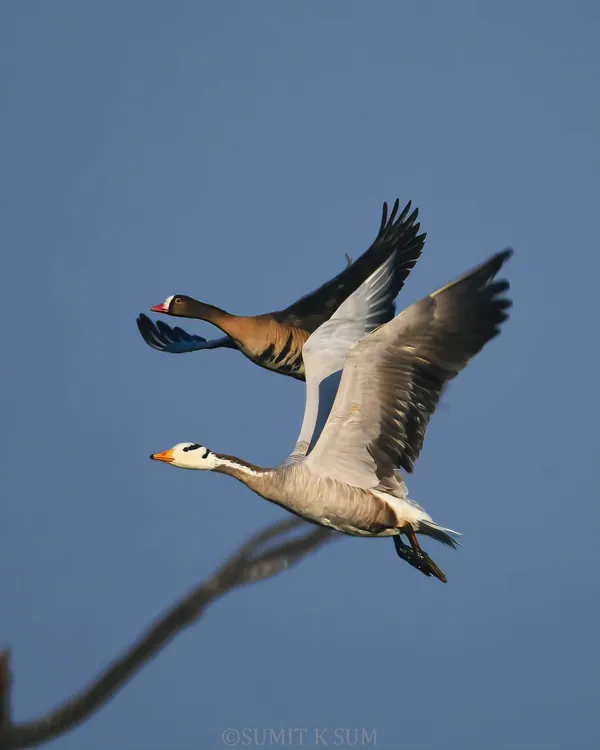
Dynamic Bird Action Photography in Delhi NCR
 26
26
Birds in Flight Photography Workshops in Delhi-NCR
 14
14
The Art of Wildlife Photography in Delhi NCR
More from Wildlife Photography Workshops & Tours by Yogesh Bhatia