Iyengar Yoga Props for Alignment and Support
Props are not crutches. In my classes, we use chairs, blocks, and belts as intelligent teachers to bring safety, precision, and deeper alignment to your practice, regardless of your experience level.
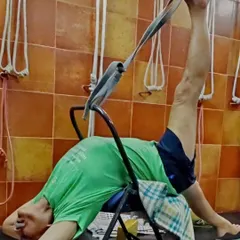
Highlights from a recent Iyengar Chair Workshop, filled with amazing energy and big learnings. We explored creative ways to use the chair for alignment and received hands on adjustments to deepen our understanding.
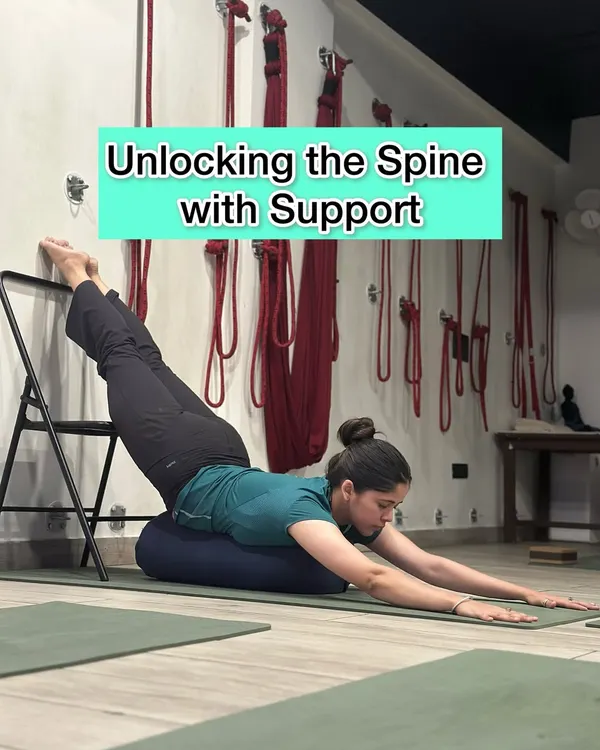
Some people think props do not make a difference, but I know they do. Here, a simple bolster provides the necessary support against the wall to work on alignment and build strength for a handstand safely.
If you struggle with poor posture, simple props can bring powerful results. Here, I use a yoga belt to train upper back awareness, because mindful movement starts with mindful alignment.
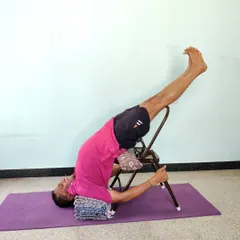
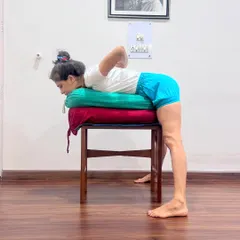
A simple chair can completely transform your yoga practice. It can help you achieve the perfect stretch, lengthen the spine, and safely explore deep backward bends with stability and support.
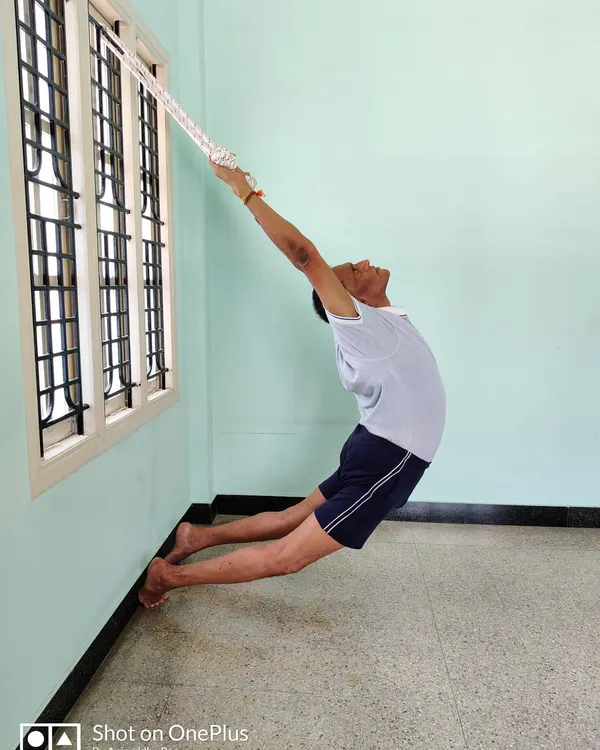
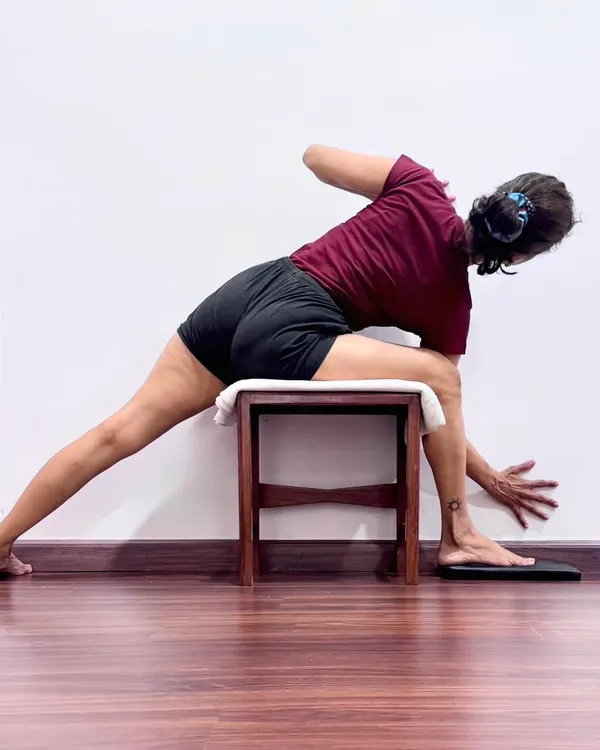
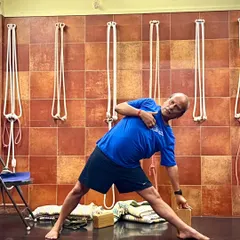
The wall is one of the best props for understanding alignment and finding support. It can help you achieve a deeper stretch, maintain posture in challenging poses, and guide you toward better balance and body awareness.
This simple supported backbend over a chair, Setu Bandhasana, is the only skincare you need. By stretching the neck and facial muscles, it improves circulation to the skin, giving you a natural glow from within.
About The Iyengar Way: Props as Your Guide
Many students assume that props are just for beginners, but in my classes, I use them to unlock precision and safety for every level. Whether you are using a chair for a backbend or a belt to correct your shoulder alignment, these tools provide the immediate feedback your body needs to understand a pose deeply. It isn't about making yoga easier; it is about making it precise, effective, and sustainable for your unique anatomy.
Why Props Matter in Iyengar Yoga
In the Iyengar tradition, props like blocks, belts, and chairs are considered intelligent teachers. They do not 'hold you up' in a passive way; instead, they provide the feedback necessary for your body to learn correct alignment. When you use a chair for a backbend or a belt to lengthen your spine, you aren't skipping the work—you are isolating the muscles and joints to experience the pose with greater clarity.
My Approach to Props
I design my workshops to move beyond standard asanas.
- Precision and Safety: Whether you are dealing with a back injury or simply want to master a handstand, props act as a safety net. They allow us to hold poses longer and deeper without risking strain.
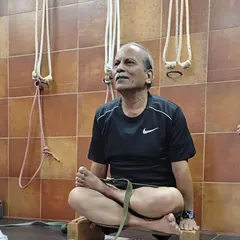
- Accessibility: My classes at Amrutha Bindu Yoga in JP Nagar utilize heavy industrial props like rope walls and trestles to help you achieve stretches that might otherwise feel impossible.
- Deepening the Practice: For those interested in restorative work, we use bolsters and blankets to calm the nervous system. This is where yoga becomes a healing modality for the mind as much as the body.
If you have ever felt 'stuck' in your practice or find that your body just doesn't move the way you see in photos, it is likely not a lack of effort—it is a lack of the right support. Let us find the alignment that your body is waiting for.
Similar work from other experts
Browse through Curated picks from other experts on mytribe
The Iyengar Method: Using Props for Deep Alignment
 4
4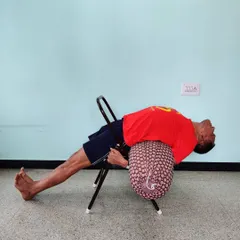
Iyengar Yoga Props for Precision
 22
22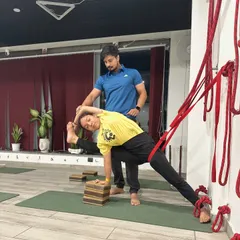
Iyengar Yoga with Props: Precision and Alignment
 100
100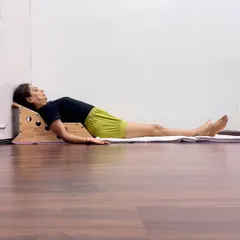
Precision Iyengar Yoga Classes with Props
The Iyengar Method: Using Props for Precision
Iyengar Yoga: The Art of Alignment
More from Iyengar Yoga Workshops & Intensives by Pragya Bhatt
More services by Pragya Bhatt