Strengthen Your Core and Pelvic Floor During Pregnancy
A strong core does more than keep you fit. It supports your growing baby, relieves back pain, and prepares your body for a smoother delivery.
The rocking full squat is a fantastic exercise to prepare for birth. It helps open the pelvic outlet and stretches the perineum, which can help reduce the risk of tearing.
The 90-90 stretch is excellent for increasing hip flexibility and mobility. This allows for more optimal and comfortable birth positions during labor.
Side lunges, done with support, increase hip mobility and reduce strain on the perineum. This helps the pelvis open more easily during birth.
A wide-leg downward dog elongates the spine and opens the pelvis. A more flexible pelvic floor means less resistance during delivery.
The figure-four stretch is perfect for relieving tension in the lower back and pelvis. This helps ease the stretching of the pelvic floor during birth.
Leaking a little when you cough or sneeze is common, but it is a sign of a weak pelvic floor. This video shows four exercises, including Kegels and wall squats, to strengthen these important muscles.
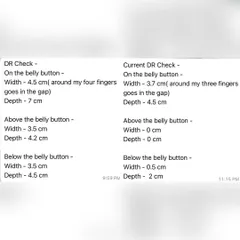
Worried about getting a "mummy tummy"? You can start protecting your core during pregnancy. This video demonstrates five safe exercises like 360-degree breathing and bird dog to prevent diastasis recti.
Birth is not about pushing; it is about your body releasing the baby. These exercises, like supported puppy pose and happy baby on the wall, help you practice softening and opening your pelvic floor.
This prenatal yoga flow is designed to help engage the baby in the pelvis. Movements like Sufi rolls and malasana create space and encourage your baby into an optimal position for birth.
Are you scared of tearing during birth? These simple stretches, including child's pose, help relax and prepare your pelvic floor muscles to prevent tearing.
About Strengthen Your Core & Pelvic Floor
Forget the crunches. During pregnancy, your goal is not a flat belly, but a functional one that supports your growing baby and protects your spine. I teach you how to engage your deep core through 360-degree breathing and modified movements that build stability without putting direct pressure on your abdomen. This approach helps prevent issues like accidental leaks and diastasis recti, ensuring you feel strong and capable throughout your pregnancy.
Many women mistakenly believe they should stop core work during pregnancy. The truth is that your core, which includes your back and pelvic floor muscles, needs consistent engagement more than ever. As your belly expands, those muscles become stretched and weak. Without proper strengthening, you are more likely to experience back pain, pelvic discomfort, and the dreaded 'mummy tummy' post-birth.
My approach focuses on safety and functionality. I skip the outdated advice like doing crunches and instead use targeted exercises like bird dog, glute bridges, and wall squats. These movements strengthen the muscles supporting your pelvis, which helps manage that extra pressure on your bladder and reduces accidental leaking when you cough or sneeze.
We start with the basics, like learning to breathe into your ribcage rather than your belly, and progress to movements that prepare you for the physical demands of labor. Because these lessons are pre-recorded and bite-sized, you can fit them into your day whenever you have 15 minutes. Whether you are in your second or third trimester, the goal remains the same: consistency over intensity. You are building the physical foundation for a smoother recovery long before the baby arrives.
Similar work from other experts
Browse through Curated picks from other experts on mytribe
Restore Your Pelvic Floor and Posture After Childbirth
Postpartum Recovery: Core Rehab from the Inside Out
Pelvic Floor & Core Recovery

Prenatal Physiotherapy and Pilates Classes
Safe and Effective Postpartum Recovery Workouts
Rebuild Your Core and Tone Your Tummy After Delivery
More from Prenatal Fitness & Yoga Program by Bharti Goel
More services by Bharti Goel