How Your Partner Can Support You During Labor
Your partner is your greatest asset in the delivery room, but they cannot help if they don't know how. Here is how to turn them into an active, confident part of your birth team.
I put my husband to the test with a pop quiz on birth preparation. See how he did. A prepared partner is a confident partner.
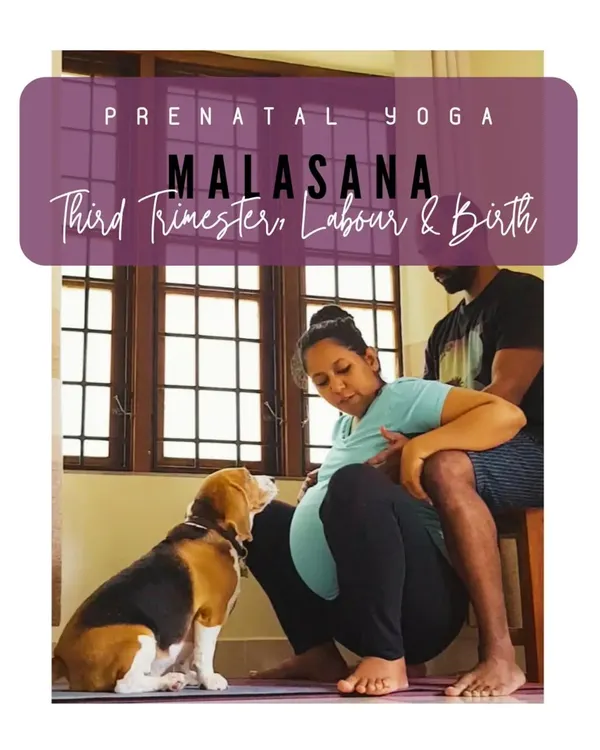
The deep squat is a powerful position for preparing for birth, and it's even more effective with partner support. I show you how your partner can help you hold the position to open your pelvis and relax your pelvic floor.
Labor is a team effort. Here are four ways your partner can support you, from back massages during contractions to slow dancing to boost oxytocin.
Counter-pressure is a game-changer for pain management. I teach partners three key techniques to provide physical relief during intense contractions.
About Your Partner's Role: A Hands-On Guide
Your partner doesn't just need to be present; they need to be active. Techniques like the Double Hip Squeeze or sacral pressure are simple to learn, but they require practice to get right. If you start trying these moves at home during your third trimester, your partner will build the muscle memory needed to actually help when contractions get intense, rather than feeling like a helpless bystander.
Why Your Partner Needs a Role
Most partners show up to the hospital with good intentions but zero practical knowledge. They end up feeling like helpless bystanders, which often creates anxiety for the mother. My philosophy is that birth is a team sport. Whether it is a natural delivery or an assisted birth, your partner is the bridge between you and the medical team.
Practical Techniques They Can Master
You don't need a medical degree to provide real relief. We focus on physical comfort measures that any partner can learn:
- Counter-Pressure: Using the heel of the palm to apply steady pressure on the sacrum or hip bones. This is a game-changer for back labor.
- The Deep Squat Support: Helping you hold an open pelvic position, which encourages the baby's descent.
- Rhythmic Movement: Slow dancing or hip swaying helps release oxytocin, the hormone that drives contractions.
Beyond Physical Support: Advocacy
Being a birth partner isn't just about massage. It is about being your voice when you cannot speak. I teach partners how to help communicate your birth preferences to the medical staff, ensuring your needs are prioritized during the intensity of labor.
Ready to Build Your Team?
It is not enough to watch a video; you have to do it. In my Live Labor & Birth Prep Workshop or the Self-Paced Birth Prep Bundle, I walk couples through these moves in real-time. Practice now, so when the big day comes, you are not wondering what to do—you are doing it together.
Similar work from other experts
Browse through Curated picks from other experts on mytribe
Partner Support & Labor Preparation Techniques

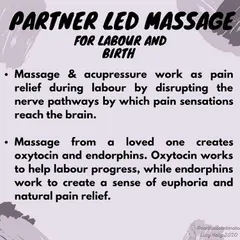
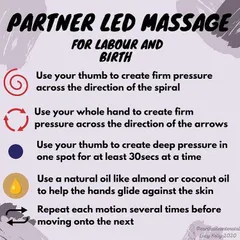
Labor Comfort Measures and Birth Positions
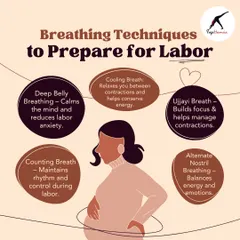
Labor Preparation & Breathing Techniques
Hands-On Birth Preparation Workshops in Bangalore
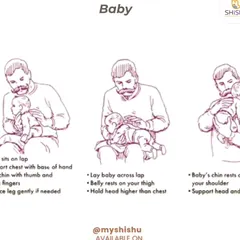
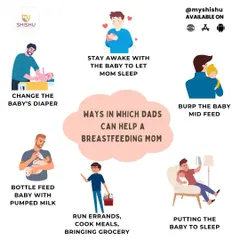
The Father’s Role: Becoming a Hands-on Partner
 7
7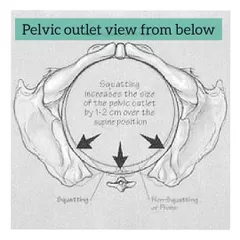


Essential Prenatal Yoga Poses for Labor Preparation
More from Childbirth Education Program by Bharti Goel
More services by Bharti Goel