Demystifying Medical Interventions for Labor
Feeling anxious about being induced or needing medical support during birth is completely normal. I'm here to help you understand your options without the fear, so you can walk into the delivery room feeling informed, calm, and in control of your birth experience.
If your doctor suggests a labor induction, it can feel overwhelming. Knowing what to expect is the first step to feeling calm and in control.
Method 1: A membrane sweep. This is when your doctor uses a finger to separate the membranes, which can release natural hormones to encourage labor.
Method 2: Prostaglandin gel or pessary. This is a hormone medicine placed near the cervix to help it soften and ripen.
Method 3: A cervical ripening balloon. A small balloon is inflated inside the cervix to gently put pressure on it and prompt labor to begin.
Method 4: Artificial Rupture of Membranes (ARM). If your cervix is already partly open, your doctor may break your water sac to speed up labor.
Method 5: The Oxytocin (Pitocin) drip. This is a synthetic hormone given through an IV to start or strengthen contractions.
This balloon demonstration shows how a Foley catheter or cervical ripening balloon works to mechanically open the cervix during an induction.
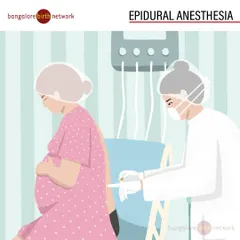
Getting an epidural doesn't mean you have to lie flat on your back. I demonstrate three effective labor positions, like the reclined butterfly and side-lying lunge, that you can do with an epidural to help labor progress.
Why is the common lithotomy position (lying on your back) not always ideal? I explain how it works against gravity and show how upright positions can make for a smoother delivery.
About Demystifying Medical Options
Often, fear of medical interventions comes from not knowing what happens next. Whether your doctor suggests a membrane sweep, an epidural, or an induction, the goal shouldn't be to avoid these tools, but to understand them. In my workshops, I explain exactly what these procedures involve, including how an epidural can still allow you to use specific labor positions, so you can discuss your options with your doctor with confidence.
When your doctor brings up induction or interventions, it is easy to feel panicked. My goal is to shift that feeling to one of clarity. We often carry a lot of 'what if' anxiety, but knowing the 'why' behind these methods makes all the difference.
Understanding Induction Methods
Induction tools like membrane sweeps, prostaglandin gels, balloon catheters, or oxytocin drips are meant to assist your body, not override it. In my program, we walk through:
- Mechanical methods: How a balloon catheter gently encourages the cervix to open.
- Hormonal methods: The role of Pitocin (oxytocin) and how to manage the intensity of contractions.
- The right questions: You learn to ask 'What are the benefits?', 'What are the alternatives?', and 'Can we wait?' to ensure you are part of the decision-making process.
Life with an Epidural
Many moms fear an epidural means being stuck on your back. That is a myth. You can still use gravity and movement to help your baby descend. I teach specific, supported positions like the 'reclined butterfly' or 'side-lying lunge' that can create space in the pelvis even when you have pain relief. Being informed means you can advocate for your comfort while keeping labor moving.
My approach is never to promise a specific type of birth, but to give you the evidence-based knowledge to feel ready for whatever comes your way. Whether you end up with a natural birth or require medical assistance, knowing your options is the ultimate form of self-care for you and your baby.
Similar work from other experts
Browse through Curated picks from other experts on mytribe

Informed Birth Choices and Understanding Medical Interventions
Real Birth Stories from Doula-Supported Parents
Practical Labor Techniques and Birth Preparation

Unbiased Birth Options & Pregnancy Counseling
 14
14

Maternal Wellness: Myths, Facts, and Supportive Yoga
 4
4

Your Pregnancy Journey: Trimester by Trimester Care
More from Childbirth Education Program by Bharti Goel
More services by Bharti Goel