Helping Your Baby Into the Best Position for Birth
Feeling anxious because your baby is breech or not quite in the right spot? It is common to feel worried, but there are evidence-based movements that can help create space in your pelvis and encourage your baby to turn. Let us look at how you can support your body and baby for birth.
Is your baby in the optimal position for birth? I use these models to demonstrate different fetal positions like OA, OP, Breech, and Transverse.
This is the Occiput Anterior (OA) position, where the baby is head down and facing your spine. This is the most favorable position for a smooth labor. I recommend hip-opening yoga and daily walks to help baby engage.
This is the Occiput Posterior (OP) position, where the baby is facing your belly. This can cause back labor, so I suggest hands-and-knees positions and avoiding reclining to encourage rotation.
A breech position means the baby is head up. While some doctors are comfortable with a vaginal breech birth, we can try gentle inversions like bridge pose and downward dog to encourage the baby to turn.
A transverse lie, where the baby is sideways, is not ideal for a vaginal birth. I demonstrate inversions and releases that can help, but always check with your doctor first.
Every labor is different, and babies can rotate during labor too. My program helps you understand how to work with your body.
If your baby is in a breech position, don't worry. This video demonstrates two simple exercises, the Bridge Pose and Downward-Facing Dog, that can create space in the uterus and help your baby turn head-down.
Here are two exercises to help turn a breech baby. I show you how to use a propped Bridge Pose and Downward Dog to gently encourage your baby to flip.
The Forward-Leaning Inversion is a powerful technique to help an asynclitic or posterior baby rotate. I demonstrate how to do it safely with support from a couch or bed.
Did you know a tight psoas muscle can prevent your baby's head from engaging? I explain what the psoas is and show you three gentle ways to release it during pregnancy for a smoother labor.
About Helping Your Baby Into the Best Position for Birth
It is not just about luck, it is about physics. If your baby is posterior or breech, you might be feeling more back pain or pressure. I often see moms struggling because they are unknowingly doing activities that tighten their pelvic ligaments. Instead of just waiting for the baby to turn on their own, we can use specific movements like forward-leaning inversions or hip circles to gently guide them. Consistency is key, as doing a few of these poses daily is far more effective than an intense workout once a week.
Understanding Fetal Positions
Every baby has a preference, but the goal is generally an Occiput Anterior (OA) position, where the baby is head down and facing your spine. If your baby is Occiput Posterior (OP), they are facing your belly, which often leads to back labor. If they are breech or transverse, the path to delivery becomes more complicated. My approach is to help you create the environment your baby needs to move.
Why Movement Matters
Pregnancy affects your posture. We spend hours sitting in cars or at desks, which can tighten the psoas muscle and create tension in the pelvis. When your pelvic muscles are tight, there is simply less room for the baby to rotate. We use simple, gravity-led techniques to open your pelvic inlet and create the necessary space.
Techniques You Can Try Today
- Forward-Leaning Inversions: These are incredible for helping rotate a posterior or asynclitic baby. By kneeling on a couch and lowering your hands to the floor, you use gravity to unstick the baby's head from the pelvic brim.
- Hip Circles: Simple pelvic rocking while on all fours can relieve back pain and give the baby the wiggle room they need to rotate.
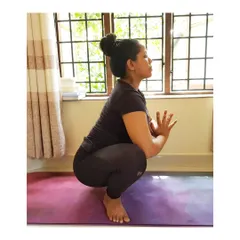
- Deep Squats: Essential for opening the pelvic outlet. Start these gradually to prepare for labor stamina.
Note: Always check with your doctor before attempting inversions, especially if you have high blood pressure or other medical concerns. My programs provide a structured video library so you can practice these safely at home, alongside partner techniques for support. You do not have to guess, you can prepare.
Similar work from other experts
Browse through Curated picks from other experts on mytribe
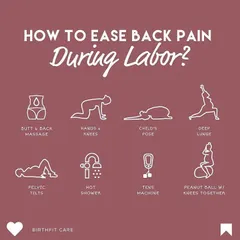
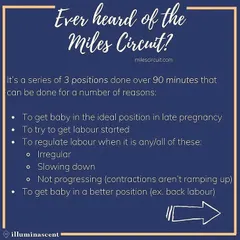
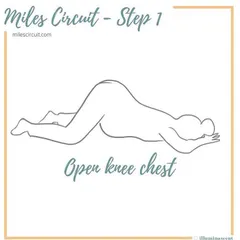
Labor Positions & Comfort Measures for a Confident Birth
Expert Guidance and Practical Tips for Your Pregnancy
 7
7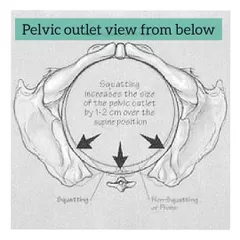
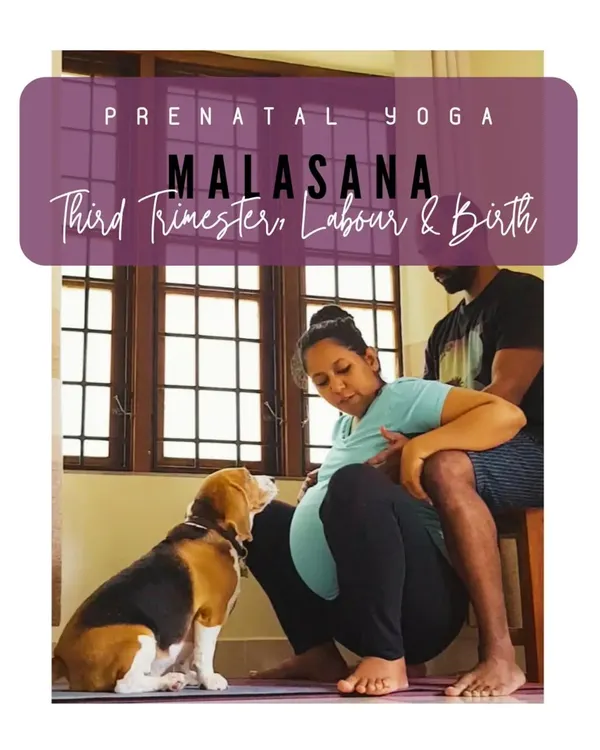
Essential Prenatal Yoga Poses for Labor Preparation
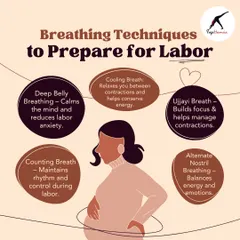
Labor Preparation & Breathing Techniques
 26
26

Essential Prenatal Self-Care & Daily Ayurvedic Habits

Prenatal Physiotherapy and Pilates Classes
More from Childbirth Education Program by Bharti Goel
More services by Bharti Goel