Managing Labor Pain Naturally with Evidence-Based Techniques
Labor doesn't have to be something you just 'get through.' Whether you're planning for a natural delivery or just want to feel more in control, these movements and breathing techniques are designed to help you work with your body's rhythm, not against it.
Here are four simple but powerful ways to make labor more comfortable: slow breathing, constant movement, frequent bathroom breaks, and staying hydrated.
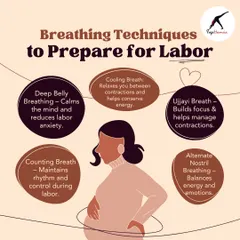
Focused breathing is your superpower during contractions. I'll teach you a simple technique: inhale for a count of four, and exhale for a count of six. Practice this daily to stay calm and focused.
The best way to breathe during a contraction is to make your exhale as long as possible. This simple action calms your nervous system and helps you feel in control.
This guide shows various active labor positions and movements you can use during different stages of labor to manage pain and help progress.
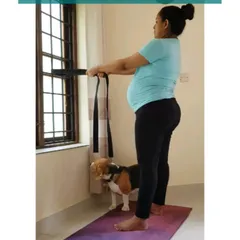
Upright positions like walking and swaying use gravity to your advantage, helping the baby descend and relieving back pain.
Side lunges are particularly useful during early and active labor to help open the mid-pelvis and rotate the baby.
Rocking on a birth ball is a classic for a reason. It relaxes the pelvic floor and encourages rhythmic movement for comfort.
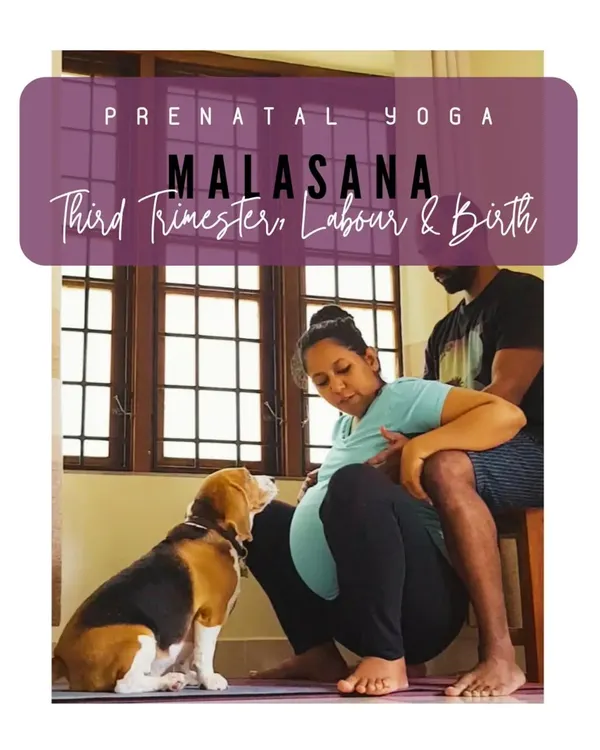
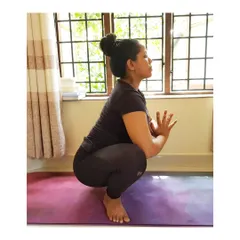
Squatting with support from a wall, chair, or your partner helps open the pelvis and uses gravity to assist in the first or second stage of labor.
Leaning forward over a birth ball or pillows is a great resting position that takes pressure off your back and allows your partner to provide a massage.
A birth ball is an amazing tool. I demonstrate specific exercises you can do on the ball to open different parts of your pelvis during each stage of labor.
About Managing Labor Pain Naturally
The biggest shift you can make is realizing that labor pain doesn't have to trigger a panic response. When you focus on a long, slow exhale—longer than your inhale—you physically tell your nervous system that it is safe to relax. This isn't just a calming trick; it actively encourages the release of oxytocin, which helps your labor progress more efficiently, rather than letting the fear-tension-pain cycle take over.
Understanding Your Body's Response
Many of us walk into the delivery room with a fear of the unknown. That anxiety causes tension, and tension often amplifies pain. My goal isn't to promise a pain-free experience, but to give you a toolkit so you can handle the intensity. We focus on evidence-based labor pain management techniques that you and your partner can practice at home.
Breathing for Focus
During contractions, your instinct might be to hold your breath or take short, shallow breaths. This is the opposite of what you want. We practice slow abdominal breathing—inhaling for a count of four and exhaling for a count of six. The long exhale is your secret weapon. It calms your nervous system and helps you stay present, rather than disappearing into the pain.
Movement is Medicine
Staying upright and moving is one of the most effective ways to manage labor. Using a birth ball, swaying, or even leaning forward can create more space in your pelvis, helping your baby descend more easily. I teach you and your partner how to incorporate:
- Side Lunges: Great for opening the mid-pelvis and helping a stalled labor progress.
- Birth Ball Rocking: Relaxes the pelvic floor and uses gravity to your advantage.
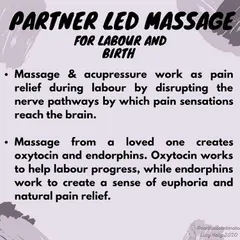
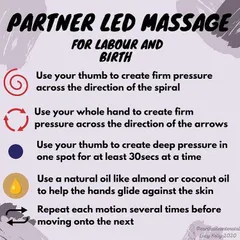
- Counter-Pressure: Techniques your partner can use to ease back pain.
Myth-Busting and Prep
There is a lot of random 'gyan' out there—like avoiding certain foods or worrying that specific movements are dangerous. I focus on the facts. Simple things like curb walking, eating dates from 36 weeks onward, and staying hydrated are small, actionable steps that can make a tangible difference in your labor experience. You deserve to feel informed, capable, and ready for whatever comes your way.
Similar work from other experts
Browse through Curated picks from other experts on mytribe

Labor Comfort Measures and Birth Positions
Labor Preparation & Breathing Techniques
Practical Labor Techniques and Birth Preparation
 8
8
Prenatal Yoga and Labor Prep Sessions
 7
7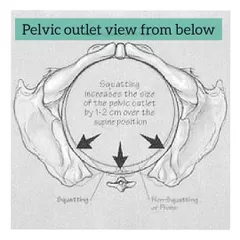
Essential Prenatal Yoga Poses for Labor Preparation
Real Birth Stories from Doula-Supported Parents
More from Childbirth Education Program by Bharti Goel
More services by Bharti Goel