Understanding Your Labor and Birth Journey
Pregnancy is full of random advice, but birth prep should be about you and your baby. Let’s break down the stages of labor and how to stay calm, informed, and in control when the big day arrives.
Are you wondering if labor is near? This guide covers the top five signs to look for as your due date approaches.
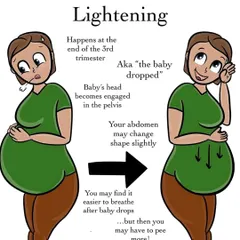
Sign #1: Lightening. This is when your baby "drops" into the pelvis. You might find it easier to breathe, but feel more pressure down below.
Sign #2: Stronger, more frequent contractions. I explain the difference between real labor contractions and Braxton Hicks.
Sign #3: Losing your mucus plug or having a "bloody show." This is a sign your cervix is starting to soften and change.
Signs #4 and #5: Loose stools and your water breaking. Your body naturally clears itself out, and your water breaking can be a gush or a trickle.
Here are five common signs that labor is near, from the baby dropping to lower back pain and your water breaking.
I break down the three stages of labor so you know what to expect, what you'll feel, and what you can do during each phase.
Early Labor (0-6cm): Contractions are mild and you can still talk and move around. I suggest resting, eating light snacks, and staying calm at home.
Active Labor (6-8cm): Contractions get stronger and closer together. This is usually the time to head to the hospital. I recommend focusing on breathing and movement.
Transition (8-10cm): This is the shortest but most intense phase. You might feel like you "can't do this anymore," which is a classic sign you're almost there.
About Understanding Your Labor & Birth Journey
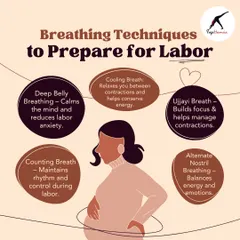
Most birth advice focuses on the 'perfect' outcome, but I focus on the 'fear-tension-pain' cycle. Whether you are prepping for a natural delivery or a planned intervention, I teach you specific movement and breathing techniques to keep your body relaxed during contractions. It is not about avoiding the intensity of birth, but about actively managing your physical response to it so you stay in control.
Know What to Expect
Labor is rarely like the movies. It is a physiological process, and knowing what is happening in your body is the first step toward reducing anxiety. In this section, I break down the three stages of labor:
- Early Labor (0-6cm): This is often the longest phase. You can still talk, walk, and eat light snacks. The goal here is rest and conservation.
- Active Labor (6-8cm): Contractions become consistent and intense. This is when your partner’s role in providing physical support and counter-pressure is crucial.
- Transition (8-10cm): The most intense but shortest phase. You might feel like you cannot do it, but this is exactly when you are closest to the finish line.
Why Partner Training Matters
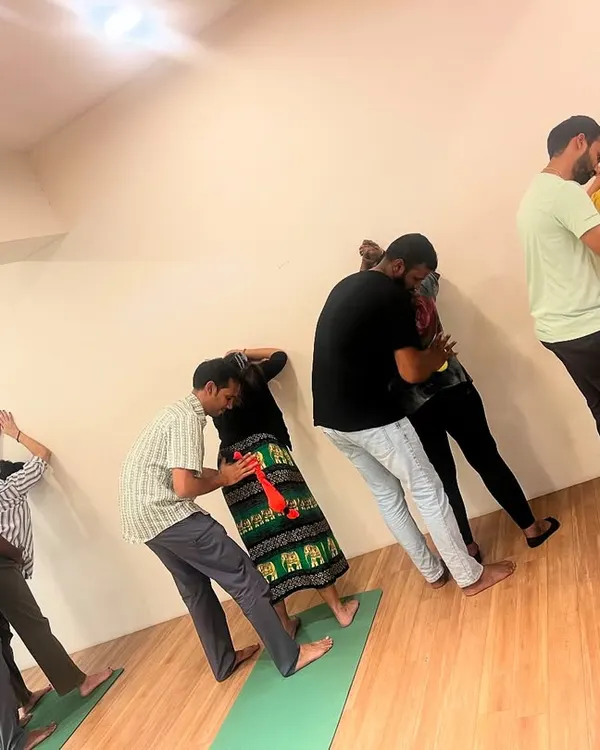
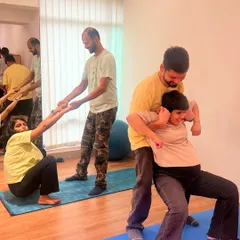
Your partner should not be a bystander in the delivery room. My program includes specific training for partners, teaching them exactly how to use techniques like the 'Double Hip Squeeze' for relief. When your partner knows what to do, you can focus entirely on your breath.
Myth-Busting Your Birth
There is so much 'gyan' circulating about what you can eat, how you should move, and what constitutes a 'normal' birth. We cut through that. We discuss the reality of water breaking, the difference between forewater and hindwater, and how to spot real signs of labor versus Braxton Hicks. Whether you are navigating a C-section or a vaginal birth, the goal is to make informed decisions that leave you feeling empowered, not fearful.
Similar work from other experts
Browse through Curated picks from other experts on mytribe
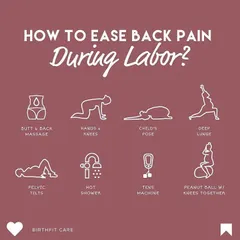
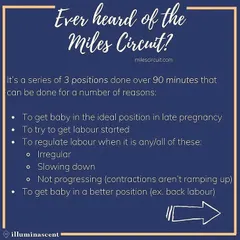
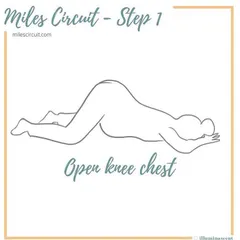
Labor Positions & Comfort Measures for a Confident Birth
 17
17

Practical Labor and Birth Preparation Workshops
Real Birth Stories from Doula-Supported Parents
Labor Preparation & Breathing Techniques
 4
4
Your Pregnancy Journey: Trimester by Trimester Care
 8
8


Prenatal Yoga and Labor Prep Sessions
More from Childbirth Education Program by Bharti Goel
More services by Bharti Goel