Labor Comfort Measures and Birth Positions
Labor isn't a crisis. I teach you and your partner practical, evidence-based techniques to manage sensations, encourage progress, and stay in control of your birth experience.
Movement is key in labor, but so is rest. This video demonstrates how to alternate between active hip movements to help your baby descend and restorative resting positions using a birthing ball to conserve energy.
This chart illustrates various partner-led massage techniques for labor. Gentle, firm, or circular strokes on the back, shoulders, and hips can release oxytocin, ease tension, and provide immense comfort during contractions.
Massage is more than just comfort; it's a physiological tool. It works by disrupting pain signals to the brain and stimulating your body's natural pain relievers, endorphins, while the love hormone, oxytocin, helps labor progress.
A guide to effective massage pressure. I teach partners how to use their thumbs for deep pressure, their whole hand for firm strokes, and when to use natural oils to make the experience more soothing for the laboring mother.
The Miles Circuit is a powerful sequence of three positions designed to help get your baby into an ideal position for birth. It can be used to encourage labor to start, regulate contractions, or help turn a baby during back labor.
Step 1 of the Miles Circuit is the Open Knee Chest position. This pose uses gravity to lift the baby out of the pelvis slightly, giving them space to rotate into a better position for birth.
Step 2 of the Miles Circuit is Exaggerated Side Lying. This position, supported by pillows, helps to open the mid-pelvis, encouraging the baby to rotate as they descend.
Step 3 of the Miles Circuit involves getting up and moving. Activities like lunges and curb walking create asymmetry in the pelvis, which helps the baby engage and move down into the birth canal.
Sometimes in labor, you need an emotional and physical reset. Releasing pent-up energy through crying, making sounds, or moving your body can help when you feel overwhelmed or when labor has stalled, allowing you to get back in the flow.
The fear-tension-pain cycle is real. Resisting labor sensations creates tension, which increases pain and fear. I teach you to embrace each surge as productive energy, using breath and relaxation to work with your body.
About Labor Toolkit: Comfort Measures & Positions
The secret to comfort isn't just about finding a position that feels good in the moment. It is about understanding the Fear-Tension-Pain cycle. When you feel a contraction coming, your natural instinct is to brace yourself, but that tension actually intensifies the pain. We practice how to consciously relax your jaw, shoulders, and pelvic floor during a surge, which keeps your body open and working with your baby, not against it.
We cover three core pillars to help you navigate your labor, moving you from feeling scared to feeling prepared.
Movement and Gravity
Gravity is the most underutilized tool in a birth room. We explore gravity-assisted movements like the Miles Circuit—a series of specific, sequential positions designed to encourage your baby into the optimal position for descent. You will learn to use lunges, deep squats, and rhythmic hip sways that help labor progress if you feel like your rhythm has stalled or you are dealing with back labor.
The Partner's Role
Your birth partner is not a bystander. I train them to be your physical and emotional anchor. They will learn where to apply counter-pressure, how to use specific massage strokes, and when to offer support during the most intense surges. When your partner knows exactly what to do—whether it is a hip squeeze or setting up a hot shower—it allows you to stop 'managing' the labor and just focus on experiencing it.
Resetting the Nervous System
Labor can be overwhelming, and it is normal to feel like you want to quit. We talk about 'releasing' to reset. This includes vocalization, changing positions, and emotional release techniques that help you get back into the flow when you feel stuck or exhausted.
These sessions are not about memorizing a textbook. We practice these movements so that on the big day, your body remembers what to do. You are not a patient waiting for someone to save you. You are the active participant in your own birth, and these tools are how you hold onto your power.
Similar work from other experts
Browse through Curated picks from other experts on mytribe
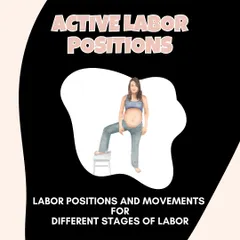
Managing Labor Pain Naturally with Evidence-Based Techniques
Partner Support & Labor Preparation Techniques
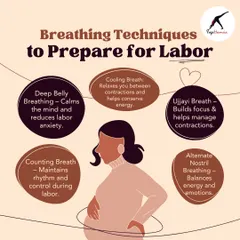
Labor Preparation & Breathing Techniques
Hands-On Birth Preparation Workshops in Bangalore
 14
14
Prenatal Yoga Workshops for Birth Preparation
 8
8
Prenatal Yoga and Labor Prep Sessions
More from Childbirth Education & Labor Preparation by Pujitha Shetty
More services by Pujitha Shetty