Mastering Handstands & Arm Balances: Alignment-Based Yoga
Arm balances require patience, not just raw strength. Through precise alignment and consistent practice, we build the core stability needed to invert safely. Let’s start with your foundation.
The transition from Pincha Mayurasana (Forearm Stand) to a handstand is a test of strength and control. I assist the student to find the balance point.
Practicing the jump from Bakasana (Crow Pose) to a standing forward fold. This dynamic movement builds explosive strength and body awareness.
Assisting a student with the Adho Mukha Vrksasana (Handstand) to Chaturanga Dandasana transition, a staple of advanced vinyasa practice.
Another angle of the handstand transition, showing how I support the student's hips to ensure a controlled and safe movement.
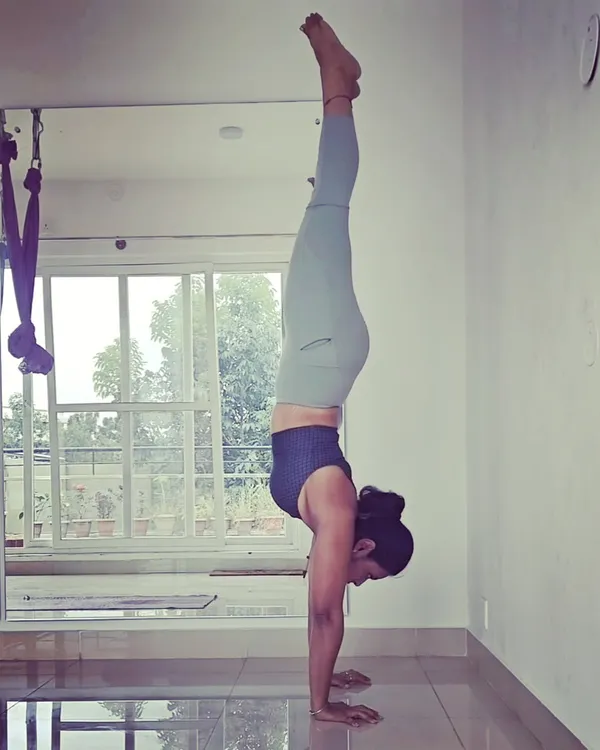
A personal practice video showing the flow from handstand to Adho Mukha Svanasana (Downward-Facing Dog).
Even after years, I still fall. Handstands require constant practice. This is a reminder that the journey of yoga is about perseverance, not perfection.
A student practices Astavakrasana (Eight-Angle Pose), a complex arm balance that involves a deep twist and core engagement.
A short clip of me practicing a one-handed handstand jump. This is the result of many years of dedicated sadhana.
A personal practice of Bakasana (Crow Pose). This foundational arm balance is the gateway to many other advanced postures.
A student practices the transition from handstand to Urdhva Dhanurasana (Wheel Pose), a powerful combination of strength and flexibility.
About Defying Gravity: Handstands & Arm Balances
Many students rush into handstands, risking strain to their wrists and shoulders. We focus on demystifying the mechanics first, using wall ropes and chairs for support. You won't be balancing until your alignment is solid; it is safer and more effective to build strength through controlled, supported drills before you ever attempt the full pose.
The Mechanics of Balance
Arm balances like Bakasana (Crow Pose) and Adho Mukha Vrksasana (Handstand) are as much about mental focus as they are about physical strength. In our sessions at Rajarajeshwari Nagar, we break these down into manageable progressions. If you are struggling to hold a pose, it is often a matter of alignment, not a lack of effort.
Why We Use Props
Props are not a crutch. We use the Kurunta rope wall, wooden blocks, and metal chairs to create the leverage and stability your body needs to understand the posture. This allows you to practice safely while strengthening the stabilizing muscles that are often neglected in standard workouts. By working with the wall, we remove the fear of falling, allowing you to focus purely on finding your center.
The Path of Sadhana
Progress in arm balances takes time. You will fall, and that is part of the process. My goal is to teach you how to fall safely so that your practice remains sustainable. Whether you are working on your first crow pose or refining your handstand transitions, we follow a systematic Hatha yoga approach. We prioritize the 'how' and the 'why' over the final shape. If you are ready to put in the consistent, patient work required for true progress, my mat is open to you.
Similar work from other experts
Browse through Curated picks from other experts on mytribe
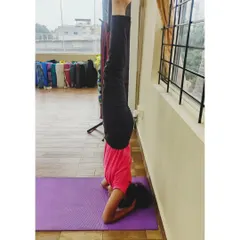
Master Advanced Arm Balances & Inversions in Bengaluru
Build Real Strength with Advanced Yoga Poses in Bangalore
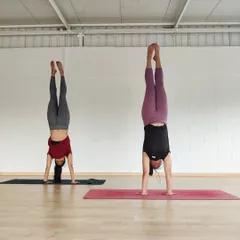
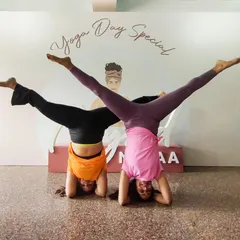
Build Core Strength & Master Inversions
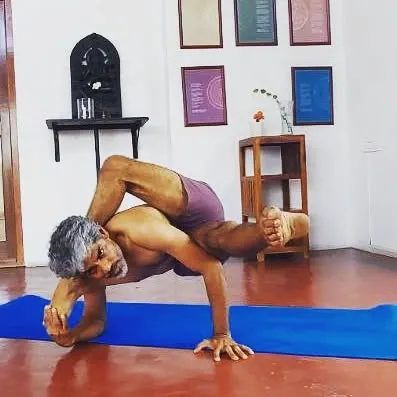 16
16Advanced Arm Balances & Inversions: Finding Strength & Stillness
 25
25
Arm Balances and Inversions: Building Real Strength
Level Up: Inversions & Arm Balances
More from Alignment-Based Hatha Yoga by Harsha Nagaraj
More services by Harsha Nagaraj