Behind the Scenes of My Handmade Pottery
Pottery is a slow, messy, and beautiful journey. Come inside my studio and see how I turn raw clay into my jigar ka tukda (pieces of my heart).
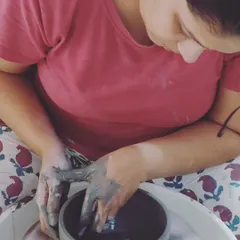
The first step for many pieces is on the pottery wheel. Here, I'm centering a lump of clay to throw a bowl, a process that requires focus and a gentle hand.
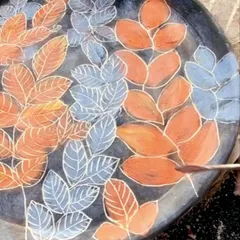
A satisfying time-lapse of the sgraffito carving process on a bowl. I first apply a layer of colored slip and then carefully carve away to create the floral pattern.
Carving a mountain landscape onto a large vase. This is how I transfer my love for the mountains onto my ceramic pieces, one line at a time.
Creating texture on a large, hand-built piece. I use various tools to add depth and a tactile quality to the surface before it dries.
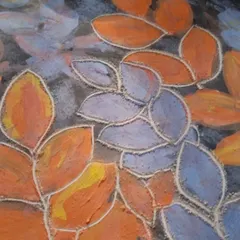
A look at the Mishima inlay technique on a small plate. I carve a design, fill it with colored slip, and then scrape away the excess to leave a clean, inlaid line.
Carving a luminary. This requires a steady hand to cut out shapes without collapsing the walls of the pot. I was so happy to be doing what I love on the first day of the year.
The glazing process in fast-forward. Each layer of glaze is carefully painted on. This is what gives the pieces their final color and finish after being fired in the kiln.
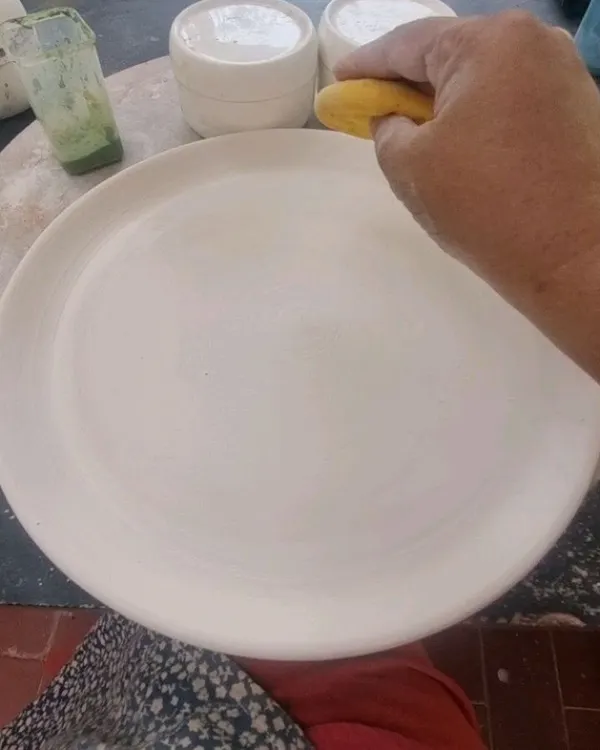
The not-so-fun side of pottery. Cleaning the bottom of every glazed piece is a crucial and time-consuming step to ensure it doesn't stick to the kiln shelf.
The *mazdoor* (laborer) life of a studio potter. Sanding the bottom of each finished piece to make it smooth is a final, important touch.
Nothing goes to waste. This is the messy but essential process of recycling clay scraps, turning them back into usable clay for new creations.
About From My Hands to Your Home: The Process
Working with clay is an exercise in patience and letting go. Sometimes I carve a design for hours, only for the kiln to reveal a hairline crack or a slight shift in the glaze. I have learned that these imperfections are part of the story—they are not flaws, but proof that every piece was shaped by human hands, not a factory machine.
My process isn't just about making ceramics; it is about capturing memories. Whether it is recycling clay scraps to minimize waste or the quiet, meditative hours I spend on sgraffito and mishima carving, everything happens right here in my studio.
I often start at the wheel, centering the clay until my mind stops overthinking and finally goes quiet. Then comes the surface work. I love the texture of sgraffito, where I carve through a layer of slip to reveal the earthiness underneath, or the precision of mishima inlay to get those crisp, illustrative lines.
Then, there is the waiting game. The kiln opening is always a mix of nerves and excitement. It is the moment of truth for every house-on-cliff vase or tiny animal-topped trinket bowl. If you are in Delhi NCR or anywhere in India and appreciate slow, intentional craft, I hope you find something here that feels like it belongs in your home. If you have an idea for a custom ceramic piece or want to try your hand at the wheel, let’s chat about making it happen.
Similar work from other experts
Browse through Curated picks from other experts on mytribe
The Making Of: From Clay to Creation
Behind the Scenes: The Potter's Life
 27
27
The Art of Pottery: Process and Technique
The Potter’s Process: A Behind-the-Scenes Look
 16
16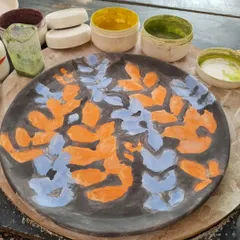
Behind the Scenes: Our Ceramic Pottery Process
The Art of Hand-Building: Behind the Scenes in My Studio
More from Handmade Pottery & Ceramics by Malvika
More services by Malvika