The Science and History Behind Natural Indian Crafts
Ever wondered where the colours in your clothes truly come from? Here, we pull back the curtain on the chemistry of natural dyes, the heritage of block printing, and the gentle philosophy of learning from nature. Let’s explore the stories behind the craft.
What is nature-based learning? It's an approach where we learn by doing, by interacting with the natural world. In this video, I explain how simple acts like planting a seed or observing clouds can be powerful educational experiences.
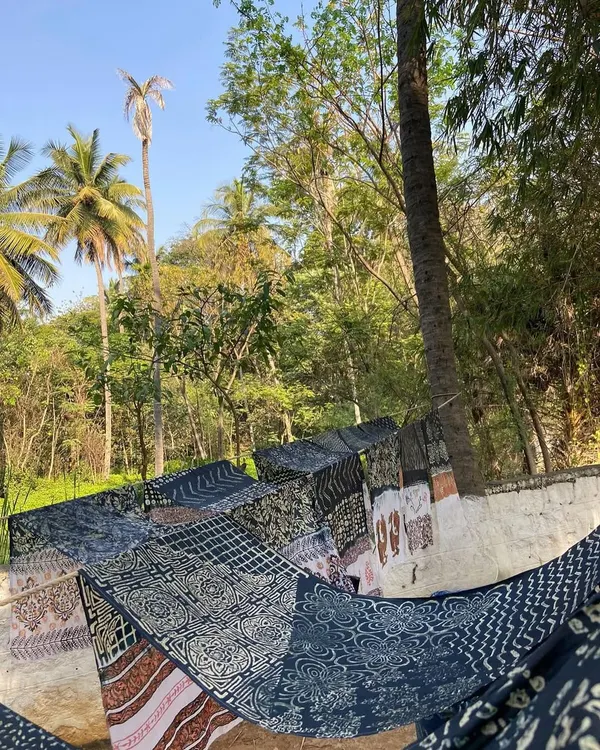
A virtual trip to Bagru, Rajasthan, a town renowned for its traditional block printing. Here you can see fields of freshly printed fabrics drying in the sun, a crucial step in setting the natural dyes.
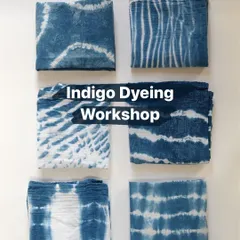
Where does the magical blue of indigo come from? This video explains the fascinating process, from harvesting the leaves of the Indigofera plant to fermenting them to create the rich dye.
A close-up of a Rangoli pattern created with natural red powder. Rangoli is a traditional Indian art form used to bring good luck, and making the powders from natural sources makes it even more special.
A poster from a sustainability workshop I conducted at Inventure Academy. Here, students explored how to create 'Colour From Nature' using flowers, leaves, minerals, and even coffee beans.
Another educational chart from the workshop, comparing natural and synthetic dyes. It's important for me to teach about the environmental benefits of choosing natural, sustainable options.
A beautiful display of natural Rangoli powders and the intricate designs they can create. These powders are made from eco-friendly materials, making our festive celebrations safer for the environment.
A vibrant Rangoli design made with natural powders. This traditional art form is a beautiful way to express creativity and celebrate our cultural heritage.
The rich texture of natural pink Rangoli powder. Unlike synthetic colors, these powders are soft and have an earthy feel, connecting us more deeply to the art form.
A close-up of a yellow Rangoli pattern. This color is often made from turmeric, a great example of how we can find art materials right in our own kitchens.
About A Deeper Dive into Our Craft
You might see beautiful indigo or turmeric colours everywhere, but understanding what is in them changes how you look at the fabric. In these deeper dives, I break down the chemistry of mordanting—why we use natural fixatives like Myrobalan—and how this process makes your textiles last longer while staying gentle on your skin. It is not just about the final product; it is about understanding why choosing plant-based pigments matters for both the environment and our personal health.
From Bagru to Your Home
To really understand natural dyeing, you have to look at where it began. Take Bagru, a small town near Jaipur that has kept the block printing tradition alive for centuries. When you see fields of fabric drying in the sun, you are witnessing a process that relies entirely on nature—sun, water, and earth-derived pigments.
Why the Chemistry Matters
Many people are surprised to learn that natural dyeing is a science. It is not just about dipping fabric in a colour bath. It involves understanding the pH levels of water, the specific properties of plant materials like the Indigofera plant, and the role of mordants. A mordant is the bridge between the dye and the fabric. Without this step, colours would wash out in a single cycle. By learning these steps, you gain more than a skill; you gain an appreciation for slow fashion.
Nature-Based Learning
My approach extends beyond dyeing. Whether we are measuring shadows to track the sun or observing cloud formations to understand weather, nature-based learning is about connecting academic concepts to the real world. Instead of reading about plant life cycles in a book, we plant seeds and observe them grow. It is a way of learning that builds problem-solving skills and curiosity, whether you are a child or an adult looking for a creative break.
We focus on these key pillars:
- Sustainability: Reducing water pollution by avoiding synthetic dyes.
- Heritage: Keeping traditional Indian art forms like Rangoli and Block Printing alive.
- Mindfulness: Using creative, tactile activities to de-stress from screen-heavy routines.
Similar work from other experts
Browse through Curated picks from other experts on mytribe
Natural Dyeing and Eco-Art Workshops
Natural Dyeing Workshops and Eco-Printing in Mysore
 25
25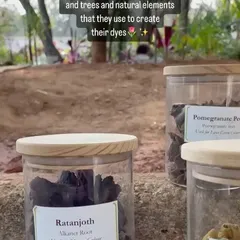
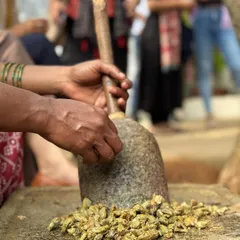
Natural Dyeing and Sustainable Textile Workshops in Bangalore
The Art of Hand Block Printing: Our Process
 17
17
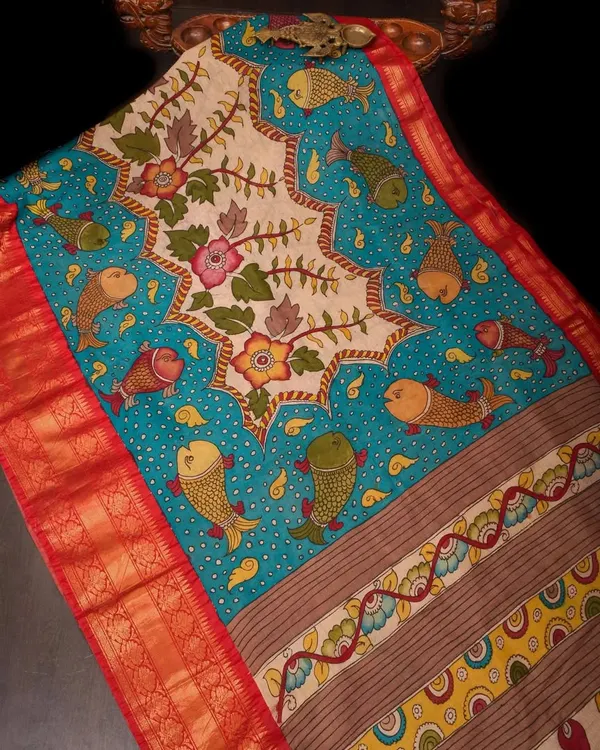
Hand-Painted Pen Kalamkari Sarees
The Heart of the Craft: Our Artisans & Process
More from Eco-Art & Craft Workshops by En Madtidiya
More services by En Madtidiya