Our Mission: Solving Fashion's Water Pollution
We aren't just a studio. We are a collective rethinking how clothing impacts our water systems. Through natural dyeing and slow fashion, we are showing that you don’t need toxic chemicals to create something beautiful.
What is the true cost of chemically dyed fast fashion? This short film explores the severe environmental impact of the industry on our water systems, which will last for generations.
The solution to pollution is right in front of you. The stripes on this shirt are dyed with natural indigo, a process that is waterless and produces biodegradable waste that can be used as manure.
Slow fashion puts people and the planet first. It is a conscious choice for a sustainable future, moving away from trends and towards quality, longevity, and mindful consumption.
The fashion industry is a major consumer and poluter of fresh water, using around 93 billion cubic meters per year. We believe in implementing water reduction and management initiatives in all our processes.
Water is used throughout the production of any garment, starting with water-intensive crops like cotton. By choosing natural dyes and organic fabrics, we reduce the water footprint and eliminate pesticides.
The manufacturing stage is a major contributor to fashion's water footprint. Fabric dyeing with synthetic chemicals pumps untreated wastewater full of toxins back into our water systems.
The pollution doesn't stop at production. When washed, common fibers like polyester release thousands of plastic microfibers into our waterways, threatening ecosystems and entering our food chain.
About Our Mission: A Solution to Pollution
When we talk about pollution, we are looking at the thousands of inorganic compounds used in synthetic dyeing. We have replaced those with plant-based pastes, like indigo and madder, that turn the dyeing process into a water-safe cycle. Instead of releasing toxins, our production methods create biodegradable waste that can actually enrich the soil.
Why We Are Moving Away from Synthetic Dyes
The fast fashion cycle leaves a heavy footprint, particularly regarding water. Every stage, from the thirsty cotton crop to the chemical-heavy dyeing vats, depletes clean water sources. When factories pump untreated wastewater back into our ecosystems, those toxins stay there for generations.
We believe the solution is to return to the roots of color. At Color Ashram, we focus on manual resist techniques like Shibori and eco-printing, using materials that are gentle on the skin and the earth.
How We Work
- Plant-Based Pastes: We use indigo, pomegranate, and harda to create deep, lasting colors without a single drop of toxic chemical.
- The BiomeResurrect Service: You don’t need to buy new clothes to be sustainable. If you have natural-fiber garments that are stained or faded, we use our over-dyeing process to give them a second life. This prevents waste and keeps clothing in circulation.
- Water Management: Our process is designed to be water-efficient. The byproduct of our dyeing is not poison, but organic matter that can be returned to nature.
We operate out of the Hebbal Industrial Area in Mysuru, but our work is for everyone. Whether you want to learn this craft in our studio, join our community events, or have us breathe new life into your old wardrobe, we are here to show you that there is a cleaner way to dress.
Similar work from other experts
Browse through Curated picks from other experts on mytribe
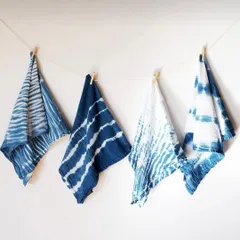
Sustainable Ayurvastra Fabrics and Natural Dyeing Services
 22
22
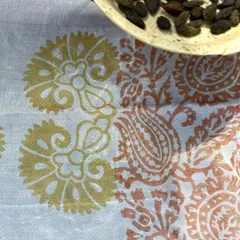
Natural Dye & Ethical Handblock Printing
Our Mission: Tackling Plastic Pollution
Natural Dyeing and Tie-Dye Workshops
 7
7

Our Sustainable Mission: Handcrafted Eco-Friendly Solutions
The Art of Hand Block Printing: Our Process
More from Sustainable Apparel & DIY Kits by Color Ashram
More services by Color Ashram