Our Architectural Design Process: From Sketch to Structure
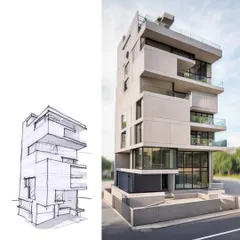
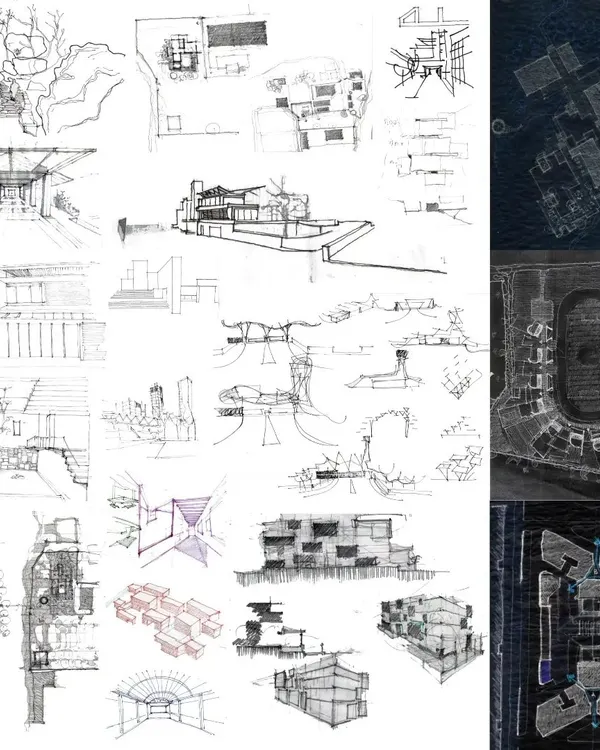
We turn abstract ideas into tangible spaces through iterative sketching, physical modelling, and precise 3D analysis. This collection shows how we bridge the gap between initial inspiration and final construction.
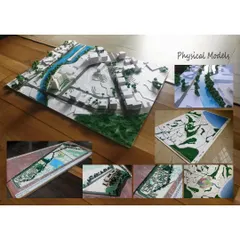
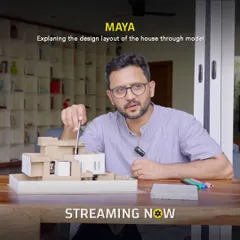
A look at the physical model for the Felicity Clubhouse. We use detailed scale models as a crucial tool in our design process to study form, volume, and the relationship between spaces before construction begins.
Animated axonometric drawings of 'The Amber Encase' clubhouse. These diagrams help us explain the spatial organization and flow of a project, showing how different functional zones like the lounge and card rooms are arranged.
This video shows the evolution of a design concept through animated diagrams. It illustrates how we develop the form of a building by responding to site conditions, programmatic needs, and our core design principles of light and ventilation.
A conceptual diagram illustrating the strategy for Aurum Avenue. We broke down the typical housing block into smaller, interconnected units to create shared community spaces and ensure better light and ventilation for each home.
A sectional drawing of Aurum Avenue, showing how the apartment buildings are designed to create a vibrant, active streetscape with green spaces and pedestrian pathways. These drawings are essential for understanding the human scale of a large project.
An aerial view of the physical model for the Brilliant National School. This allows us to study the overall massing of the project and its relationship to the surrounding site, including landscaping and access points.
A street-level view of the Brilliant National School model. Working with physical models helps us refine the facade details and understand how the building will be experienced by the people who use it every day.
The physical model of the Akiri Residence, showcasing its complex form with overlapping roofs and cantilevered volumes. The model is meticulously crafted to represent our design intent, complete with miniature trees to simulate the landscape.
An architectural illustration of the Akiri Residence, blending a clean line drawing with a soft, watercolor-like background. This style of presentation helps convey the mood and atmosphere of the proposed design.
A sectional illustration of the Akiri Residence, cutting through the building to reveal the interior spaces and their connection to the outdoors. These drawings are powerful storytelling tools that explain the experience of living in the home.
About Our Design Process: From Sketch to Structure
Before we lay a single brick, we dedicate time to physical models and axonometric diagrams to test how light and air move through your space. This is not just for visual presentation, it is how we catch structural constraints, optimize cross-ventilation, and ensure the final building breathes exactly as we planned.
Our design process is rooted in the belief that good architecture requires deep listening and rigorous testing. When we start a project, it begins with a conversation about what you need and what the site allows. We strip away the unnecessary, focusing on daylight, spatial volumes, and the connection to the landscape.
The Exploratory Phase
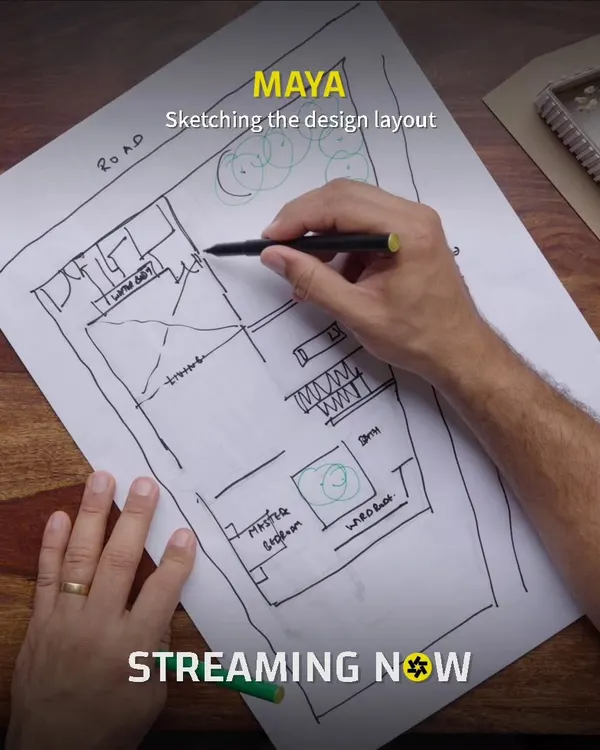
We use a mix of hand-drawn sketches and physical models to study form and light. Whether it is the cantilevers of a private residence or the circulation flow of a school, the model allows us to understand the building at a human scale before construction begins. We study sun paths and wind direction, ensuring that the orientation of the house is not just a stylistic choice but a climate-responsive necessity.
Technical Rigor and Coordination
Once the concept is locked, we move into the technical phase. This involves detailed GFC (Good For Construction) drawings, structural coordination, and MEP planning. We collaborate closely with engineers and contractors to integrate complex features—like skylights or brick jaalis—into the structural grid. We believe that documenting these junctions properly on paper is the only way to ensure the quality on site matches the render on screen.
Implementation
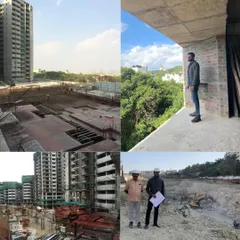
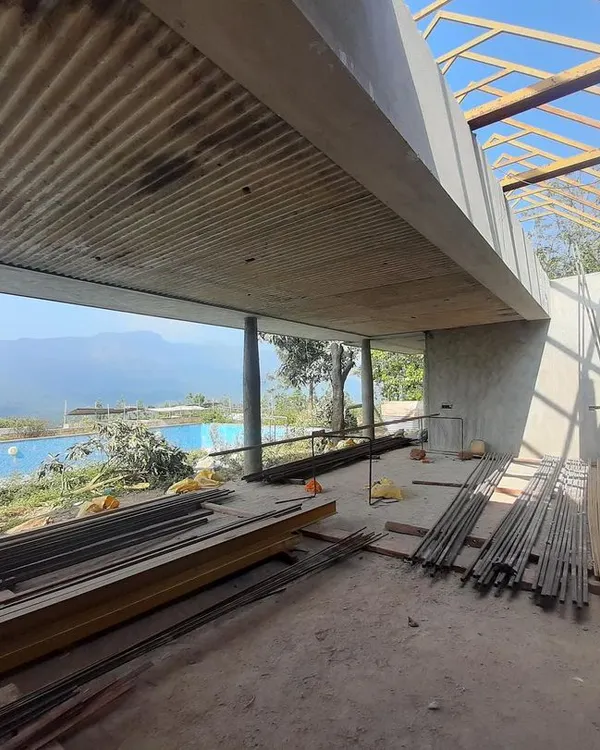
Design is not just about the drawings. During execution, our project architects conduct site visits at critical stages, from foundation casting to final interior fit-outs. By staying involved from the first sketch to the handover, we ensure the project remains true to its original vision.
Similar work from other experts
Browse through Curated picks from other experts on mytribe
Our Architecture Design Process: From Sketch to Built Reality
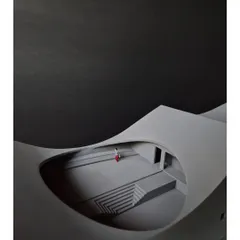
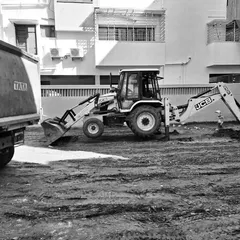
Architectural Design Process: From Idea to Form
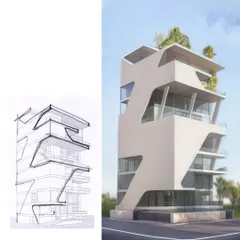
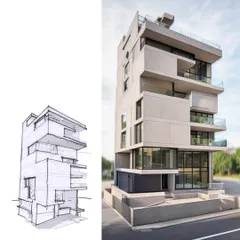
From Sketch to Visualization: The Architectural Design Process
 13
13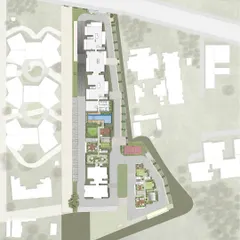
Our Design Process: From Concept to Construction
 19
19
From Sketch to Structure: Our Design Process
 18
18
From Sketch to Structure: Our Architectural Design Process
More from Architectural Design by Collage Architecture Studio
More services by Collage Architecture Studio