Natural Materials and Craftsmanship in Design
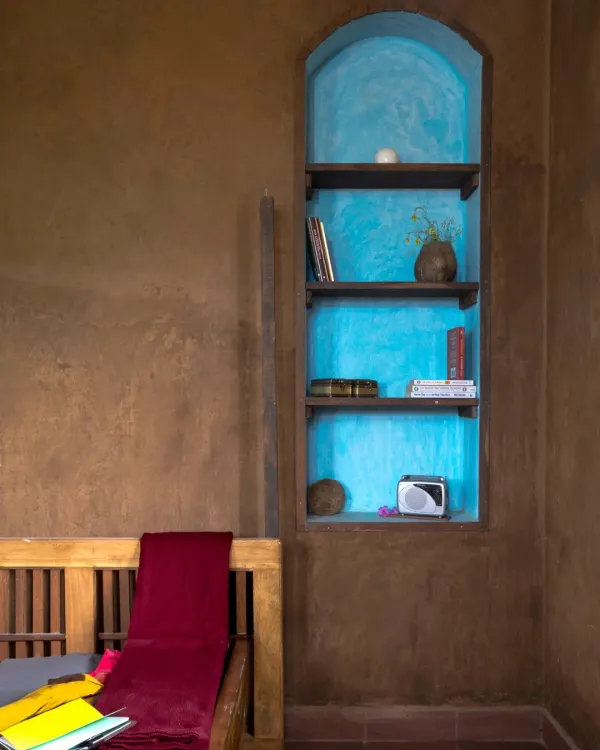
Architecture is not just about the big plan; it is about the texture of a mud wall and the pattern of a brick screen. Here is where we celebrate the details that bring a home to life.
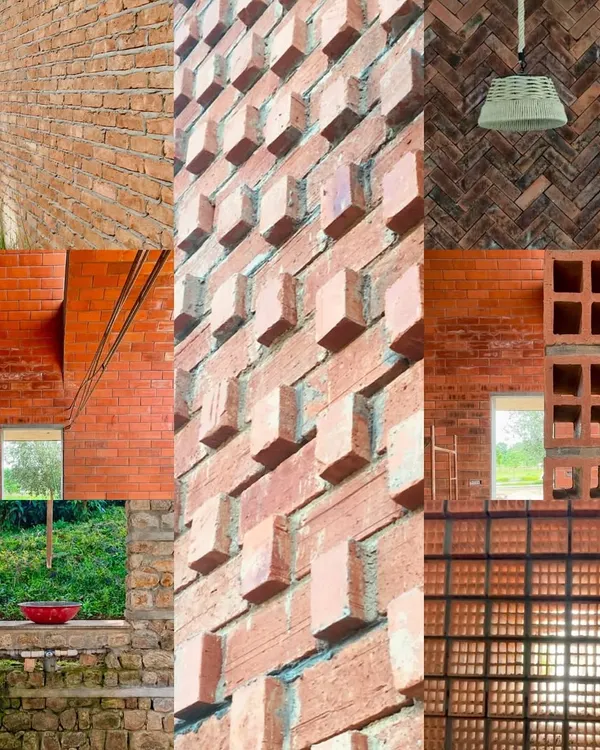
The play of light through this custom-designed brick jali screen creates a serene and contemplative atmosphere. The intricate pattern is a testament to the skill of the masons and the versatility of brick as a material.
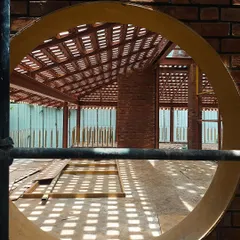
A simple circular window, perfectly framed with brick, offers a curated view of the wildflowers outside. This detail demonstrates how even the smallest opening can be designed to create a powerful connection with the landscape.
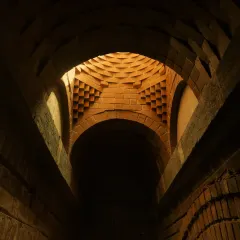
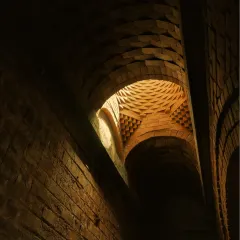
A brick vault under construction. This image captures the raw beauty of the building process, showing the structural logic and inherent texture of arched masonry before the final finishes are applied.
A close-up from a video of a rammed earth wall. You can see the distinct layers, or 'lifts', of compacted earth, which give the wall its unique, stratified appearance, almost like a geological formation.
A detail of the kinetic jali facade on the RSL Office. Each terracotta tile is individually rotated, creating a complex, undulating screen that is both functional for shading and beautiful as a piece of architectural sculpture.
This alternating tread staircase is a masterclass in compact design. The detail shows how each step is precisely placed to create a functional stair in a minimal amount of space, turning a utility item into a design feature.
Form follows function in this elegant detail. The staircase support is also the rainwater gutter, a seamless integration of structure and water management that is both clever and visually clean.
Playful cutouts in a brick wall create windows in the shape of stylized figures. This detail shows that structural walls can also be a source of joy and imagination, especially in a space for children.
Playful cutouts in a brick wall create windows in the shape of stylized figures. This detail shows that structural walls can also be a source of joy and imagination, especially in a space for children.
Playful cutouts in a brick wall create windows in the shape of stylized figures. This detail shows that structural walls can also be a source of joy and imagination, especially in a space for children.
About Details, Textures & Materiality
A wall is never just a surface to us; it is a chance to document the passage of light or the unique composition of the soil it was built from. Whether it is a hand-twisted terracotta jali that filters the afternoon sun or a structural staircase that doubles as a rainwater harvester, these small, deliberate interventions dictate how a space feels and ages over decades.
We believe that true sustainability lies in the details. When we design a brick jali, we are not just looking for a pattern. We are calibrating how much light enters a room, how the air moves through the space, and how the brick itself reacts to the local climate.
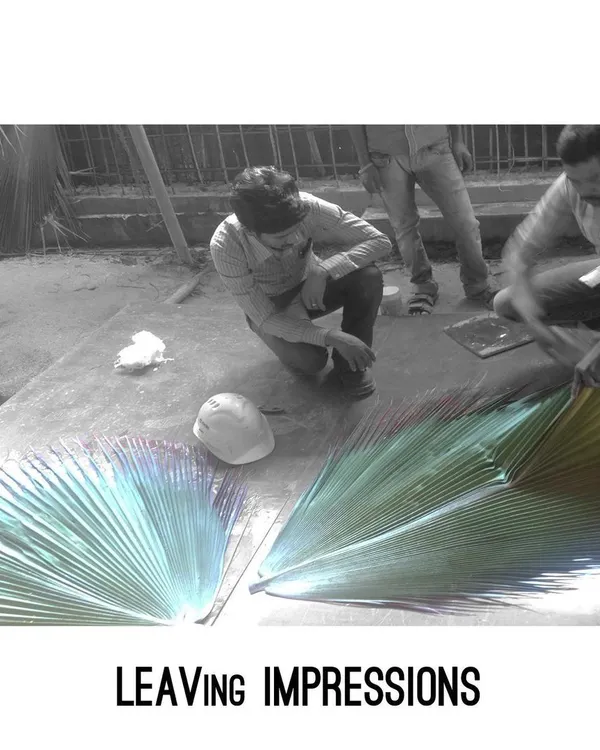
The Longevity of Materials Our approach to materiality is rooted in a simple test: will this work twenty years from now? Consider the arts classroom we designed for the Spastic Society of Karnataka over two decades ago. While it was initially conceived as a low-cost, temporary structure, it remains functional and beautiful today. This durability is the result of using local, breathable materials like mud and stone, which handle our climate better than synthetic alternatives.
Function as Texture We do not hide the structural necessities in our buildings. We design them to be part of the visual language. A staircase is not just a way to move between floors; it can be an alternating tread design to save space, or it can be a structural gutter that channels rainwater into a collection tank. Every technical solution is an opportunity to add character.
Curating the Discarded We also look to the local scrap shop for resources. Old windows, doors, and industrial scraps often find a second life in our interiors. This is not just about saving costs; it is about keeping materials in use, minimizing new production, and adding a layer of history to new spaces. When you choose natural materials, you are choosing a space that breathes, ages gracefully, and connects you back to the earth.
Similar work from other experts
Browse through Curated picks from other experts on mytribe
 9
9
Handcrafted Materials and Architectural Detail
 30
30
A Symphony of Materials: Textures and Details
 25
25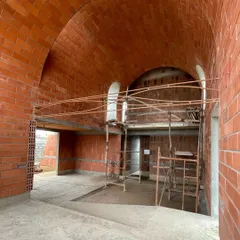
The Art of Materiality: Exposed Brick & Clay Architecture
 14
14
The Art of Materiality
 32
32
The Art of Light and Detail in Residential Architecture
 11
11
Designing Spaces Through Materiality and Detail
More from Ecological & Sustainable Interiors by Biome Environmental Solutions
More services by Biome Environmental Solutions