From Sketch to Structure: My Architectural Design Process
I don't start with software. My architecture begins as a series of hand-drawn sketches, exploring how space, light, and nature can coexist in your home.
My design process is rooted in theory and art. It begins with hand-done sketches, like these explorations for a filmmaker's apartment, that evolve from abstract ideas into concrete architectural elements.
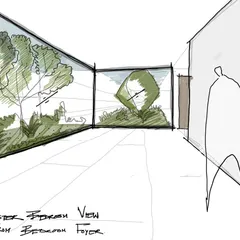
A "manifestation view" sketch, capturing the initial feeling and spatial quality of a room before it is fully defined.
A "manifestation layout" sketch, translating the fluid ideas of space into a preliminary floor plan.
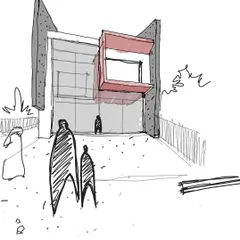
An exploratory sketch, where lines and forms are used to investigate the dynamic potential of a space.
These "explorations" are abstract studies of form and connection that serve as the theoretical basis for furniture and architectural details.
"Shape derivatives" are sketches where I deconstruct and abstract forms to discover new architectural possibilities.
The "trace" is an unrelated, abstract sketch that serves as the initial spark, a rummaging in the mind that starts the entire creative process.
A concept sketch for the "Waterfall" house, envisioning the "brick globule" that acts as a light lantern in the entry area.
This sketch visualizes the "Waterfall" concept, a three-story wall of water cascading from a rooftop infinity pool, which forms the core idea of the residence.
A detailed sketch for the People Tree House pond, outlining the use of indigenous plants, rocks, and inverted earthen pots to create a habitat for birds.
About From Sketch to Structure: The Design Process
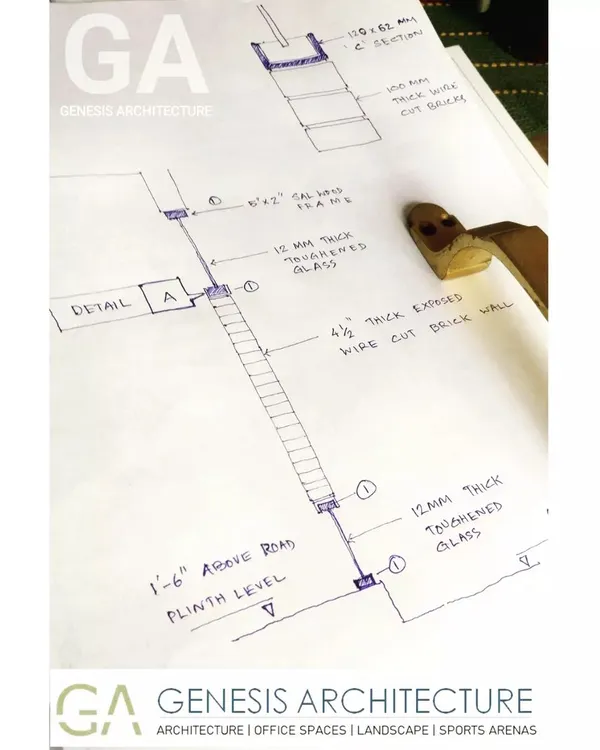
These sketches are where the real architectural heavy lifting happens. Long before any software touches a floor plan, I am using these drawings to solve structural puzzles, like how a brick vault can support a ceiling or how a strategic water body can actually lower the internal temperature of a room. This is where I test ideas for functionality, not just aesthetics.
My design process is an iterative, art-centric journey that prioritizes 'harmonious living' over current design trends. It starts with what I call 'rummagings'—abstract, unrelated sketches that act as the initial spark. These are not polished presentations; they are messy, raw investigations into form and connection.
From there, I move into 'manifestation views' and layout studies. This is where the abstract idea is tested against the physical reality of a site. Whether it is cutting a slab for a double-height volume, creating a light well to harvest sunlight, or integrating a 'brick globule' to guide entry, every line on paper has a structural intent. For projects like the People Tree House in Noida or the Waterfall residence, these drawings were the blueprint for creating habitats that serve humans, birds, and plants simultaneously.
I believe in using materials that tell a story. You will see this reflected in the sketches through the exploration of reclaimed timber, exposed brick, and random rubble stone. By the time we move to physical models and onsite construction, the design is already deeply rooted in the specific site conditions. This approach ensures that your home is not a cookie-cutter replica but a bespoke space that breathes, ages gracefully, and supports the life within it.
Similar work from other experts
Browse through Curated picks from other experts on mytribe
From Sketch to Structure: The Design Process
 8
8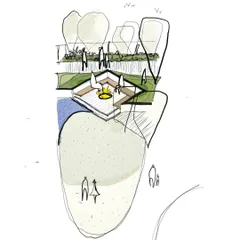
From Concept to Construction
 6
6
Architectural Sketches and Design Process
From Vision to Reality: The Design Process
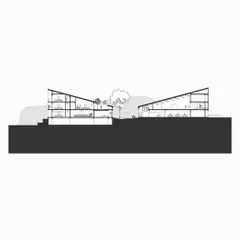
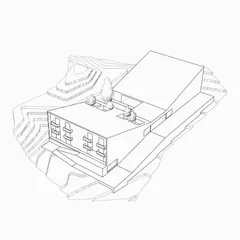
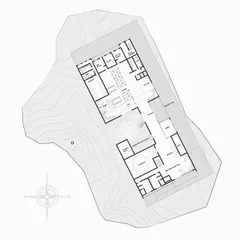
Architectural Design Process: Technical Blueprints & Sustainable Planning
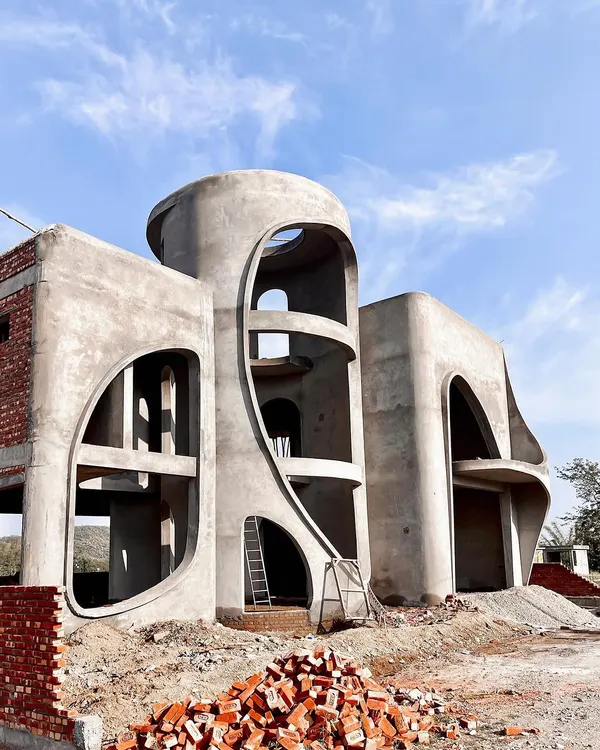 13
13
From Sketch to Structure
More from Bespoke Interior Architecture & Design by Archiopteryx
More services by Archiopteryx