Spotlight on Indian Crafts: The History and Soul of Handmade
Explore the stories, techniques, and living legacies behind your favourite Indian crafts, from the intricate dots of Bhil art to the ancient, geometry-driven weaves of Ikat.
Welcome to our A-Z of Crafts series, where we share nuggets of information about different crafts, from Amazing Ajrakh to Zappy Zardozi.
A is for Ajrakh. This stunning block-printed fabric from Gujarat is a 4,000-year-old tradition whose intricate patterns are believed to represent the cosmos.
B is for Bhil Art. This tribal art from Madhya Pradesh uses intricate dots and lines to tell stories of nature, gods, and daily life.
C is for Chanderi. This handloom from Madhya Pradesh is so fine it's called "woven air." A delicate yet strong combination of silk and cotton.
D is for Dabu. This block-printing technique from Rajasthan uses a mud-resist process to create beautiful patterns.
G is for Gamcha. This lightweight, absorbent, and versatile handwoven cloth has been a staple in Indian households for ages.
H is for Handmade. Our anthem, created by Mohit, celebrates the magic and skill of artisans who create new wonders with their hands.
I is for Ikat. In this technique, patterns are formed by intricately tying and dyeing the yarn before it's woven, creating geometric artworks.
J is for Juttis. This traditional Indian footwear, from regal Khussas to casual Mojris, is a cultural emblem of style and comfort.
K is for Kala Cotton. Native to Kutch, this resilient, rain-fed cotton is an environmentally friendly and sustainable choice that is making a huge comeback.
About Spotlight on Indian Crafts
When you pick up a piece of Ajrakh fabric or run your fingers over a Kantha stitch, you aren't just holding a product. You are holding a story that is centuries old, often born from local resources like river water, natural dyes, and the collective memory of a community. These crafts are not static relics. They are living, breathing skills that rely on the artisan’s hands, and by understanding their origin, we finally give the makers the credit they have always deserved.
Our A to Z of Crafts
We started this series because we believe that the beauty of a craft is inseparable from its history. We are not pretending to be an encyclopedia. Instead, we want to share the nuggets of information we have picked up from our members across India.
From 'A' for the 4,000-year-old Ajrakh traditions of Gujarat, believed to represent the cosmos, to 'Z' for the intricate Zardozi, every entry is a lesson in patience and heritage. We look at:
- Technique: Discover how artisans tie and dye yarn for Ikat, or why Dabu printing relies on mud-resist processes.
- Sustainability: Learn why resilient varieties like Kala Cotton, native to Kutch, are essential for our future.
- Storytelling: Explore how tribal art forms like Bhil or Madhubani act as visual languages, depicting myths, folklore, and daily life on walls and paper.
Why 'Haute is Handmade'
We constantly push back against the culture of hiding the maker. When you see our 'Spotlight' features, you are seeing the direct output of a community member. These are not factory-made items. They are the result of weeks of stitching, dyeing, and planning. Whether it is Lambani embroidery communicating a tribe's social status or the delicate, 'woven air' of a Chanderi saree, these crafts are proof that true luxury is defined by the human effort behind it.
If you find yourself drawn to a specific craft, you can join us for a hands-on session. We believe that doing the work yourself is the best way to understand the skill involved. Come meet our master artisans and try your hand at the craft.
Similar work from other experts
Browse through Curated picks from other experts on mytribe
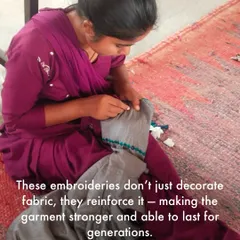
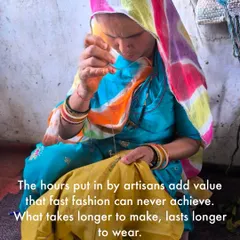
The Art of Craft: Our Slow-Made Process
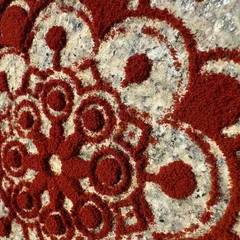
The Science and History Behind Natural Indian Crafts
 60
60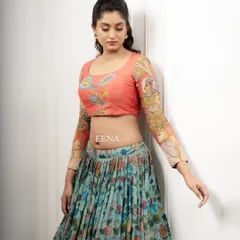
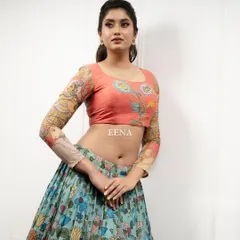
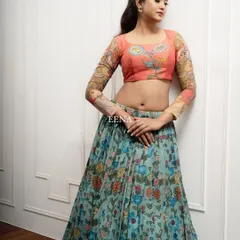
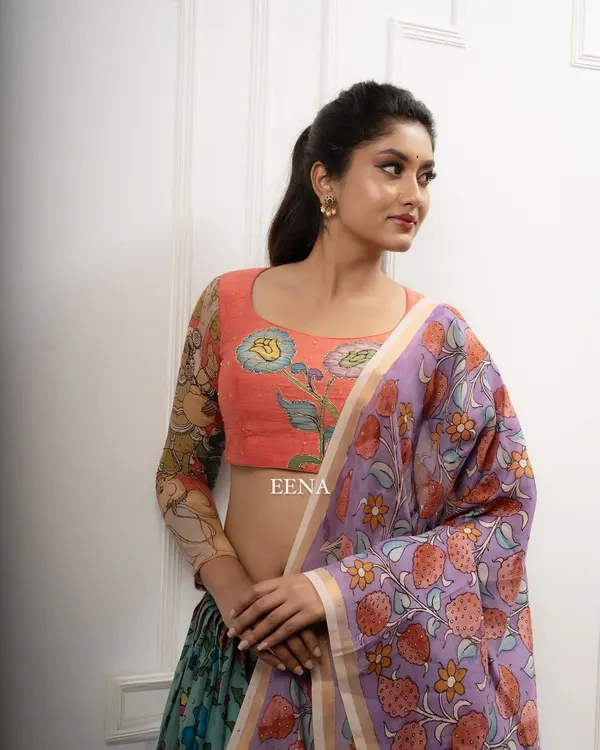
Hand-Painted Kalamkari Lehengas and Ensembles
 30
30
The Art of Indian Textiles
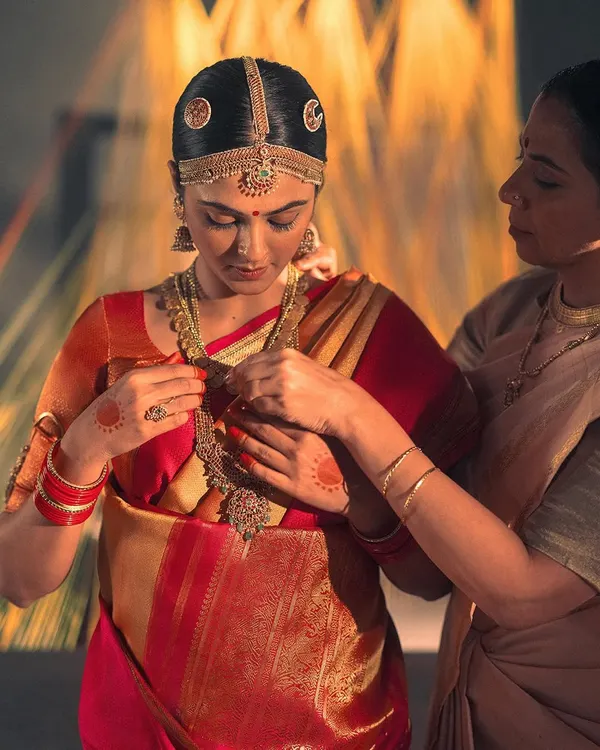
Artisan Masterpieces and Handcrafted Saree Designs
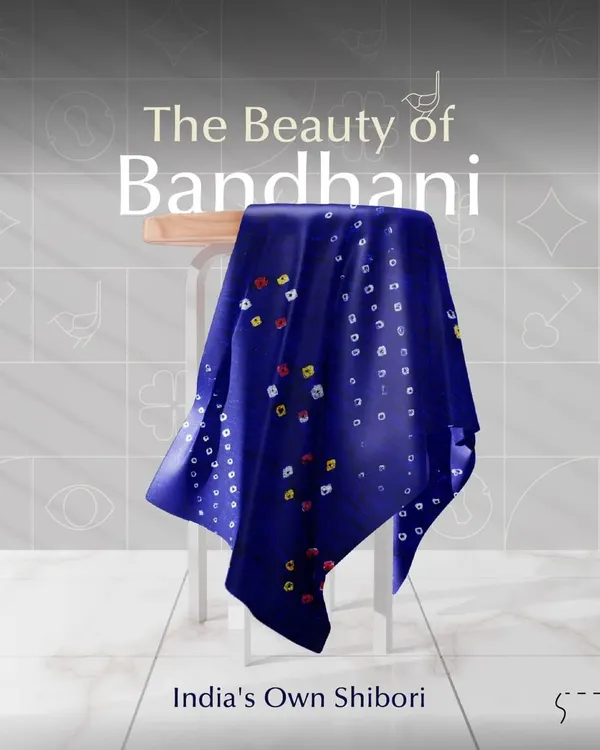 7
7
The Art of Bandhani: Traditional Indian Tie-Dye
More from Community Participation Platform by A Hundred Hands
More services by A Hundred Hands