Sustainable Materials & Construction Methods
Building sustainably shouldn't mean spending more. My approach is simple: use what is around us, innovate on-site, and design for long-term comfort. From Compressed Stabilized Earth Blocks to Bubble Deck slabs, here is how we build smarter.
Innovation is key to affordable and sustainable construction. This video shows two technologies I often use: making compressed stabilized earth blocks on-site from excavated soil, and the Bubble Deck Slab technique, which uses recycled plastic balls to reduce concrete usage and lighten the building's structure.
This video shows the process of making and installing precast wall storage units, also known as 'Aala'. This traditional design element provides a small utility space while also reducing the number of blocks needed in a wall, thus saving cost and material.
An animated diagram showing the assembly of a housing unit using interlocking blocks. This kind of innovation in construction processes and components helps drive down costs while maintaining high standards of safety and design.
About Sustainable Materials & Construction Methods
When we dig a basement for a foundation, the earth that comes out isn't waste; it is our primary building material. By processing this excavated soil with a small amount of cement and sand using a hydraulic machine, we create Compressed Stabilized Earth Blocks (CSEB) right on-site. This reduces the need for expensive, energy-intensive red bricks and cuts down on transportation costs significantly, offering a building material that is structurally sound, thermally superior, and visually distinct.
Innovation in construction is not just about using expensive high-tech gadgets; it is about questioning our reliance on conventional, energy-intensive materials. My practice focuses on re-evaluating the basics of how a wall stands or how a slab is poured.
Why Innovation Matters
Standard construction often relies on heavy materials that require massive energy to produce and transport. By adopting methods like the Bubble Deck Slab—which uses recycled plastic balls to displace concrete in the center of a slab—we reduce the dead weight of the building. This requires less concrete overall and allows for longer spans, all while maintaining the safety and structural integrity of the home. It is a win-win for your budget and the environment.
The 'Aala' and Interior Utility
We also bring back traditional elements, modernized for current needs. The 'Aala' (wall alcove) is a precast element we integrate directly into our block walls. It provides storage for books, phones, or plants, reducing the need for additional furniture and decreasing the number of blocks needed in the wall. It is a small detail, but it speaks to a larger philosophy: every element in a home should serve a purpose, hold a story, or provide comfort.
Practical Sustainability
Sustainable architecture is often misunderstood as being 'fancy' or 'elite.' My goal is to make it replicable and affordable. Whether it is using local stone, reusing windows from old havelis, or designing walls that breathe, the objective is to build something that lasts for generations. If you are looking to build a home that is physically comfortable, financially prudent, and environmentally responsible, these methods are where we should begin our conversation.
Similar work from other experts
Browse through Curated picks from other experts on mytribe
Sustainable Building Techniques and Construction
 12
12
Material Craft: Bamboo, Stone & Upcycled Elements
Sustainable Luxury: Modern Earth Homes
 5
5
Sustainable & Modern Prefabricated Construction
 27
27
Climate-Responsive & Sustainable Architecture
 43
43
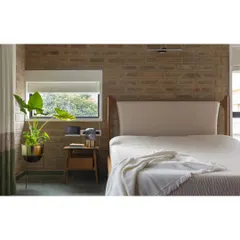
Sustainable Homes & Residences: Building with Earth and Heart
More from Green Building Consulting & Research by Ashok B Lall
More services by Ashok B Lall