Green Building Consulting & Research in New Delhi

I help design buildings that use passive cooling, local materials, and practical research to cut energy use and make spaces comfortable without relying on heavy technology.
Pricing Guide
ESTIMATESAbout Green Building Consulting & Research
Why I Do This Work
Architecture, for me, means creating spaces that feel good now and in the future. I’m not interested in just putting up walls - I want buildings that bring khushali (well-being) and work with nature, not against it.
How I Think About Green Building
- Holistic sustainability is my starting point. It’s about balancing social needs, resource use, and cost, not just chasing energy ratings.
- Climate-responsive architecture matters. I study the local climate and use design tricks for comfort, rather than relying on heavy tech.
- I keep pushing for thoughtful innovation - finding materials and techniques that actually cut down our impact.
What I Actually Do
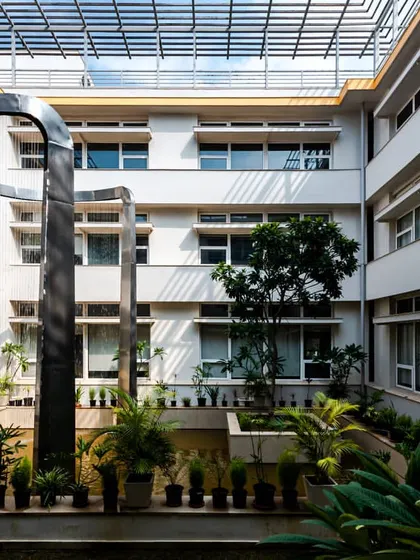
- My consulting is built on years of practical research. I use passive building design strategies, like courtyards for airflow, evaporative cooling, and smart shading (think chajjas and jaalis) to keep buildings comfy without AC.
- For net-zero energy buildings, I focus on insulation and rooftop solar, aiming for homes that barely need outside electricity.
- I’m big on sustainable construction materials. If we dig earth for a basement, why not use it for wall blocks? I reuse old doors, windows, anything with a story. Bubble Deck Slab technology is another favorite - it saves concrete and weight.
Research That Helps Communities
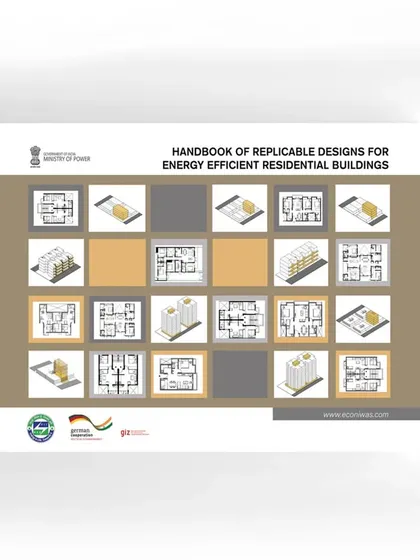
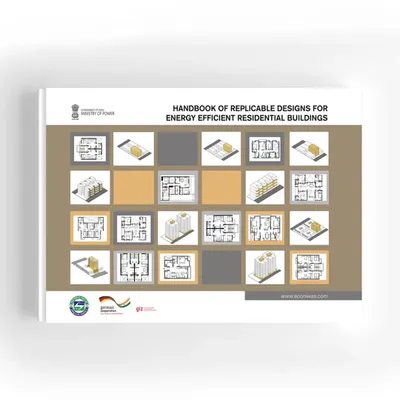
- My team and I have built guides for affordable green housing, created design handbooks for energy-efficient homes, and even made tools like econiwas.com for everyone to use.
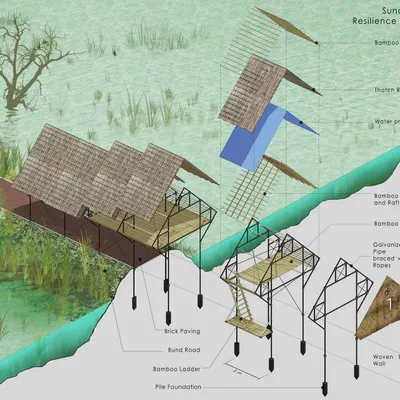
- Whether it’s a disaster shelter in the Sundarbans or urban regeneration through green design for Delhi’s tight spaces, I try to solve real problems with practical solutions, using local materials and ideas people can actually build themselves.
Highlights
Browse through Ashok B Lall's best work
Meet your Expert
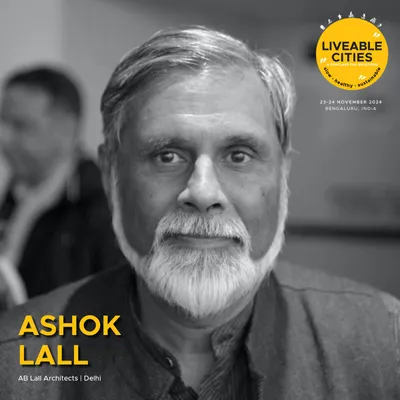
Ashok B Lall
My Story
We’ve been at this since 1980, but really, the roots go way back. I grew up in a big, wild house – always climbing, always discovering new corners. That’s what I want for others too. Whether it’s a home for street kids or a sprawling university, it’s got to feel alive, in sync with nature. Cities keep getting tighter, so we started treating rooftops as new ground – gardens, solar panels, places to meet. It’s about comfort, and building something that lasts.
My Work
Sustainable and Passive Architecture - We design low-energy buildings for homes, campuses, and city projects using passive cooling architecture.
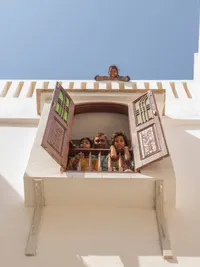
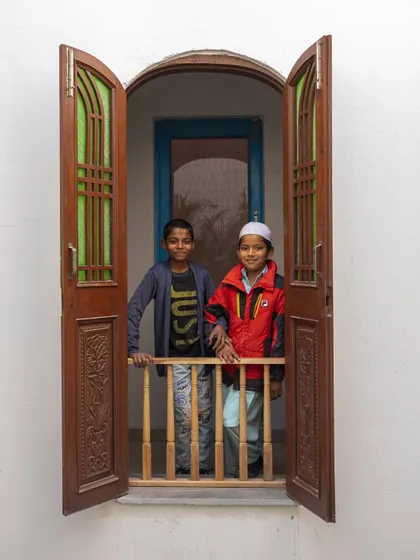
Local Materials and Recycled Elements - We use site soil for walls, recycled jharokha windows, and always ask—what’s more sustainable than this?
Future-Proof Homes - With insulated walls, solar panels, and smart ventilation, our future-proof homes keep your bijli ka bill (electricity bill) super low.
Courtyard House Design - Courtyards bring in light and air, inspired by havelis, making spaces cooler and more connected to nature.
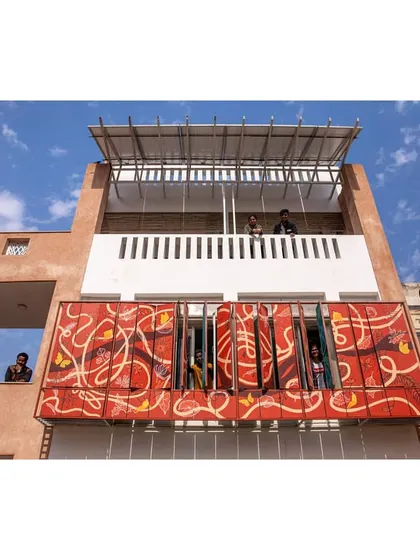
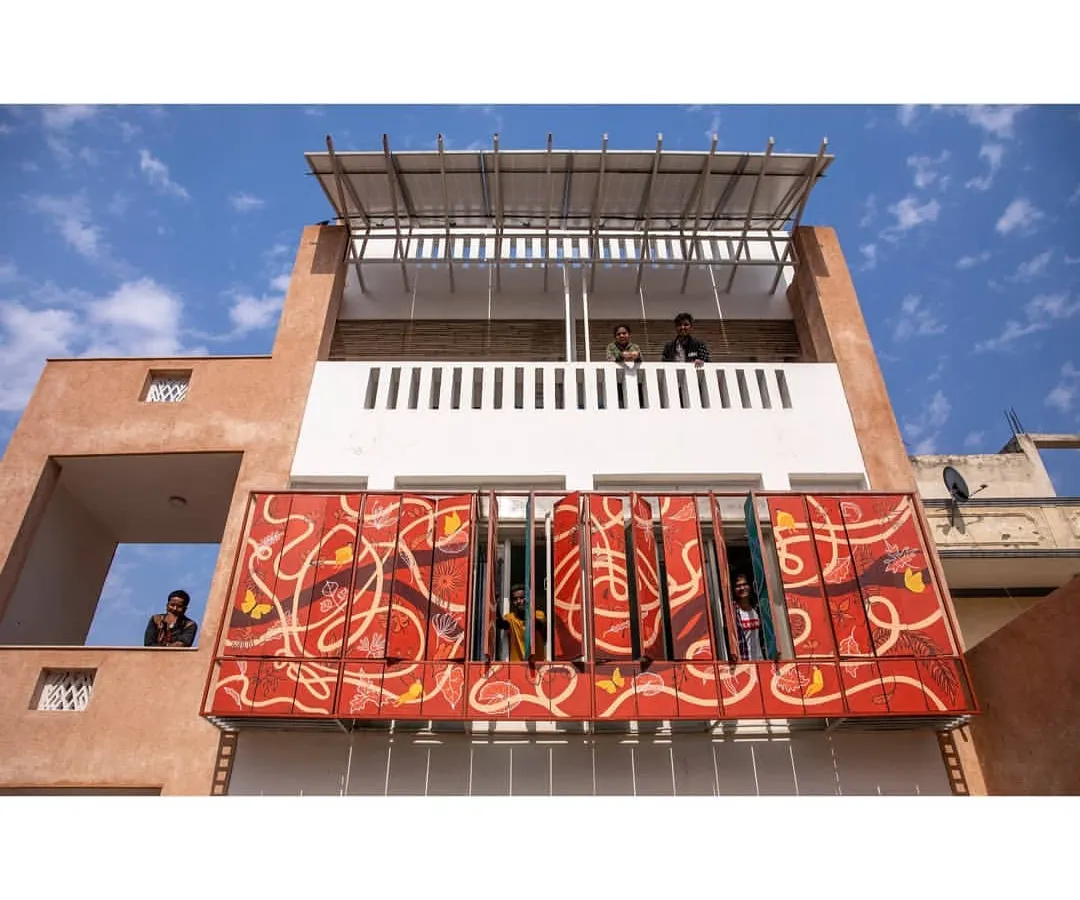
Art in Architecture - Hand-painted louvers, custom jaalis, and artful touches make our buildings joyful, not just functional.