Sustainable Architecture Philosophy and Research
My work goes beyond blueprints. It is rooted in decades of research into climate-responsive design that prioritizes human well-being and environmental stewardship.
A portrait of me, Ashok B Lall. I have been practicing and teaching architecture since 1981, always with the goal of developing curricula and methods to address environmental issues in building design.
A recent portrait. My journey in architecture has been a long and fulfilling one, and I continue to be driven by a passion for creating sustainable, human-centric spaces.
I was recently in conversation with Nirmal Kishnani on the Ecogradia podcast, where I shared my views on bridging social and environmental goals through design. I believe architecture must serve both people and the planet.
A technical drawing showing the integration of environmental systems in a building. This diagram illustrates how we can use extract fans, cool water supplies, and controlled daylight to create a comfortable indoor environment with minimal energy.
This diagram explains an integrated cooling system that uses direct and indirect evaporative cooling. On a day with a 37°C outdoor temperature, this passive system can achieve a comfortable indoor operative temperature of 27.2°C using very little energy.
About About Me: Talks, Publications & Philosophy
My approach to architecture is informed by years of studying how buildings interact with our local climate. Whether I am drafting an integrated cooling system or speaking at a conclave, my focus remains on one question: how do we create spaces that offer genuine khushali (well-being) without relying on energy-intensive technology? The diagrams shared here are not just concepts; they are the result of years of data collection aimed at proving that passive design works.
Bridging Theory and Practice
Many architects treat sustainability as a checklist. For me, it is the starting point of every design conversation. My practice serves as both an office and a laboratory. We use site-specific data—local temperature patterns, humidity levels, and wind directions—to create dynamic, breathing buildings.
Why Passive Design Matters
The technical drawings you see here illustrate how we replace mechanical air conditioning with architectural common sense. By using stack-effect ventilation, where central courtyards act as 'the lungs' of the house, and direct evaporative cooling, we achieve comfortable indoor temperatures even during Delhi’s peak summers. This is not just theory; these systems are currently lowering electricity bills and enhancing comfort in institutional and residential buildings across India.
Research for Everyone
I believe knowledge is only valuable if it is shared. That is why I spend time documenting these methods, whether through design handbooks, web-based tools like econiwas.com, or public talks. Architecture has a social responsibility. When we build, we are creating a micro-environment that can either contribute to our climate crisis or help solve it. My goal is to make these principles—like utilizing earth blocks and recycled materials—replicable for architects and homeowners everywhere.
Similar work from other experts
Browse through Curated picks from other experts on mytribe
 7
7
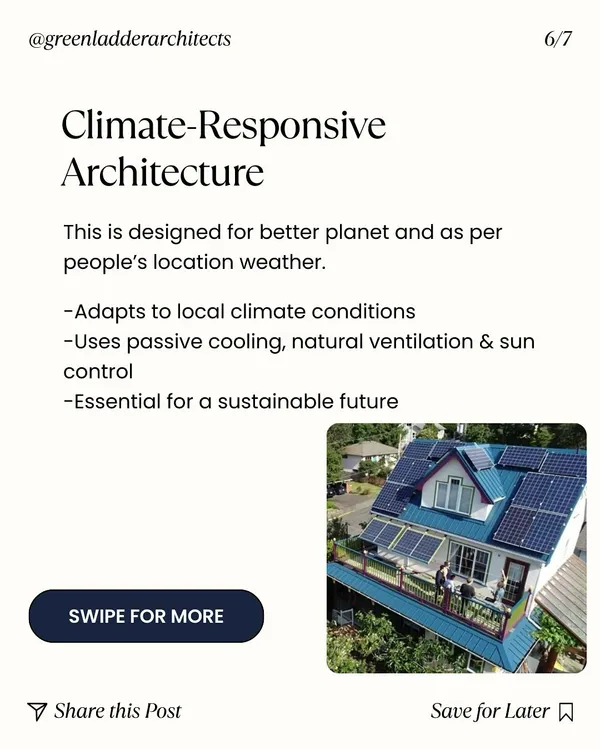
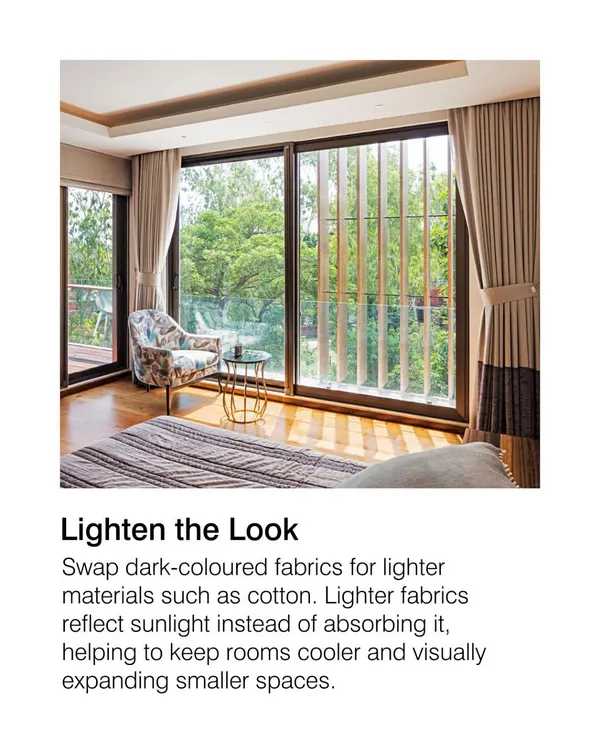
Sustainable Architectural Design for Modern Homes
 10
10

Designing for People & Planet
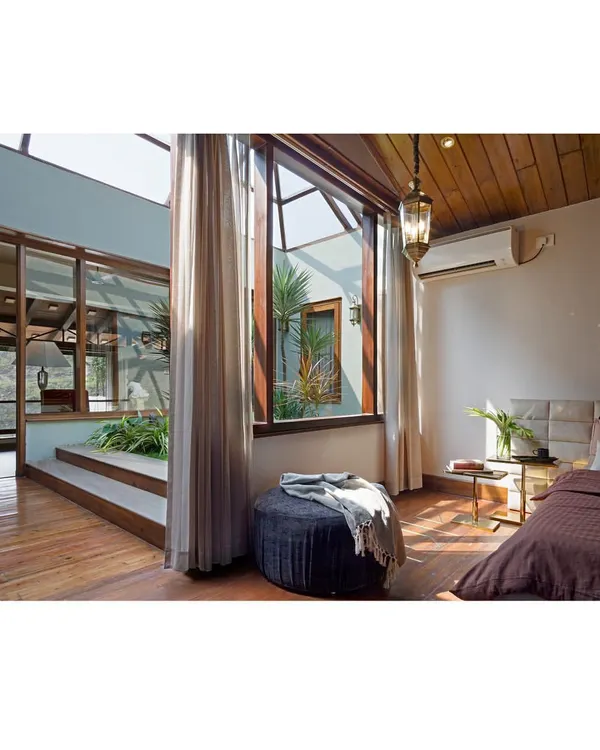
Architect Talks: My Design Philosophy
 7
7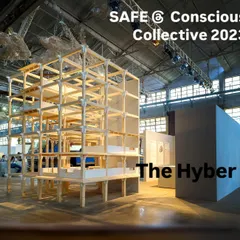

Sustainable Architecture and Eco-Conscious Design
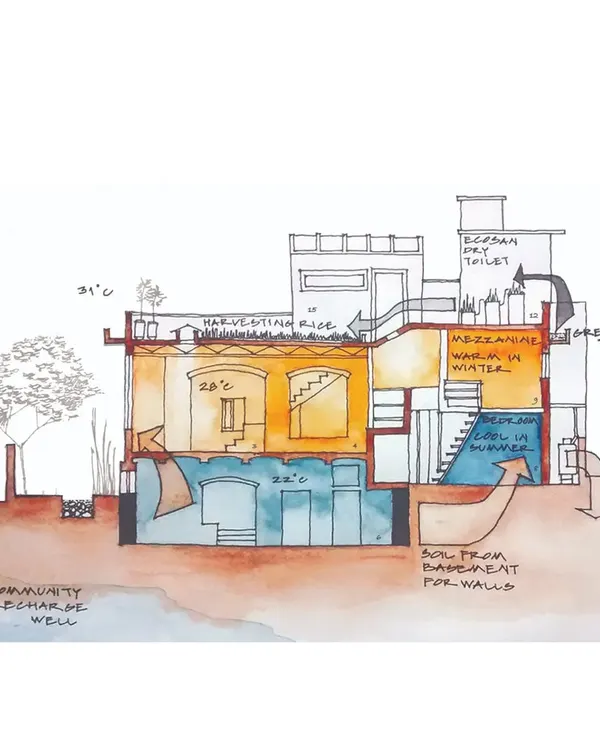 36
36
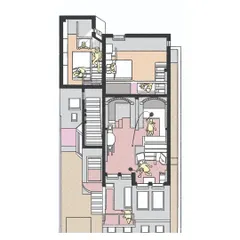
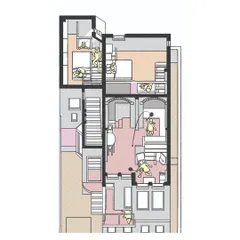
Architectural Design and Technical Blueprints
 6
6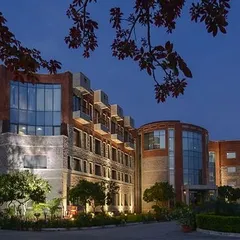
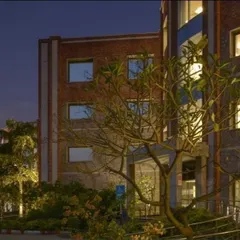
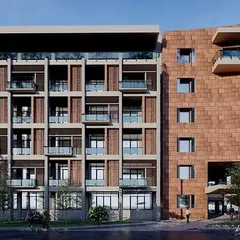
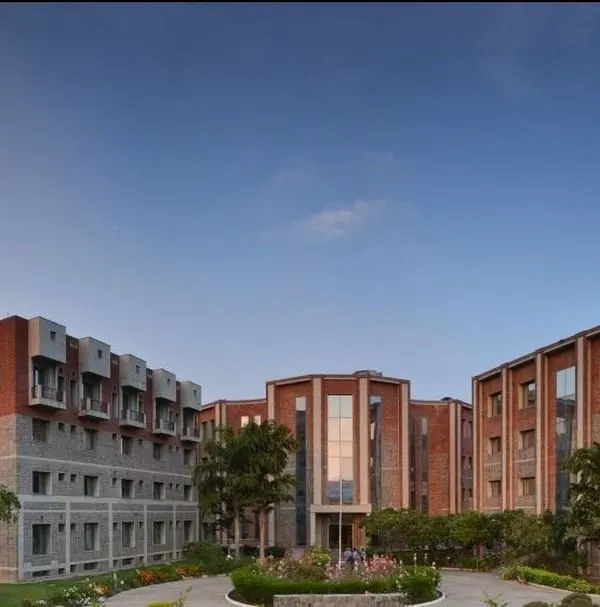
Institutional Architecture & Campus Design
More from Green Building Consulting & Research by Ashok B Lall
More services by Ashok B Lall