Advanced Yoga: Arm Balances & Inversions
Gravity is just a suggestion when you have the right technique. Whether you are aiming for your first Bakasana or refining a complex inversion, let's work on the mechanics together.
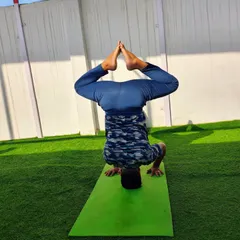
This is a wide-arm variation of Sirsasana, the headstand. By widening the arm position, I create a different stability challenge that requires more shoulder and upper back strength, while still offering the benefits of spinal decompression and increased blood flow to the brain.
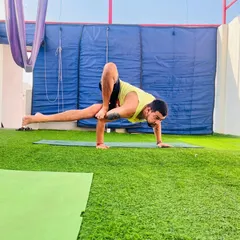
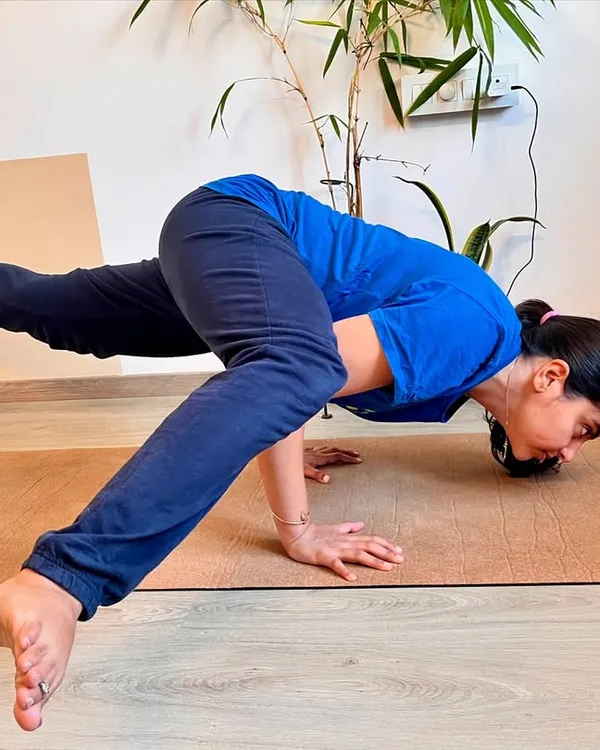
A dynamic yoga flow on the mat, moving from Downward Dog into an advanced arm balance, Eka Pada Koundinyasana. This sequence demonstrates the integration of strength, flexibility, and balance required to transition smoothly between complex poses.
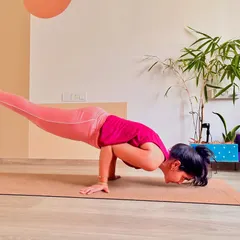
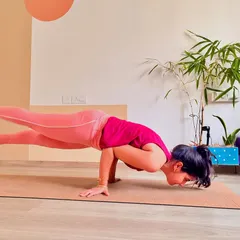
This video shows the progression from Bakasana (Crane Pose) to Eka Pada Bakasana (One-Legged Crane Pose). Extending one leg back requires significantly more core strength and precise balance to maintain the hold.
Holding Bakasana in a natural setting. This arm balance builds powerful wrists, arms, and core muscles, but more importantly, it teaches focus and the ability to find stillness and balance even when in a challenging position.
The Standing Chakrasana, or Wheel Pose, is a deep backbend that opens the entire front body. This pose builds strength in the arms, legs, and back, while dramatically increasing spinal flexibility and boosting energy.
This Hatha Yoga flow incorporates arm balances and dynamic transitions like moving from Bakasana to Urdhva Mukha Svanasana (Upward-Facing Dog). The sequence is designed to build strength, improve mobility, and create a graceful, powerful practice.
A demonstration of a headstand, or Sirsasana, with leg variations. Practicing inversions like this builds confidence, improves circulation, and strengthens the core and upper body as you work to maintain balance and control.
About Advanced Yoga: Arm Balances & Inversions
Arm balances and inversions often look like pure brute strength from the outside, but the real magic happens in your wrists and core stability before you ever lift your feet. In my sessions, we do not just jump into the pose. We break down the biomechanics, ensuring your joints are supported and your alignment is precise, so you can hold these postures with ease and focus rather than strain.
Mastering advanced poses like Bakasana (Crane) or Sirsasana (Headstand) requires a shift in how you view your practice. You have to move away from trying to force the shape and instead focus on the foundation. I often say, 'Shakti hi jeevan hai'—strength is life—but for me, that strength is built through disciplined, incremental progress, which I call the Kaizen approach. One percent better every day.
My approach to these sessions is rooted in both Hatha and Vinyasa principles. We prioritize:
- Wrist and Joint Preparation: Most injuries happen because we rush the preparation. We dedicate time to warming up the specific connective tissues required for weight-bearing poses.
- Core Engagement: Without an engaged powerhouse, inversions are unstable. We integrate pilates-inspired core conditioning to ensure you are holding your body weight securely.
- Safe Progression: We use props like blocks and straps to build confidence before attempting free-standing inversions.
Whether you are practicing in-studio at my Kaizen Wellness Space or joining me for an online session, the goal is always the same: gaining control over your mind and body. You do not need to be an expert to start. You just need to be willing to look at your movement patterns, adjust your alignment, and stay consistent. If you are ready to stop fighting gravity and start working with it, let’s get on the mat.
Similar work from other experts
Browse through Curated picks from other experts on mytribe
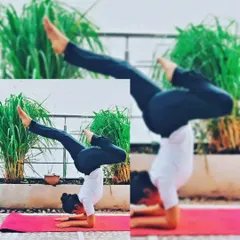
Advanced Yoga: Arm Balances & Inversions
Master Advanced Yoga Poses Safely
 10
10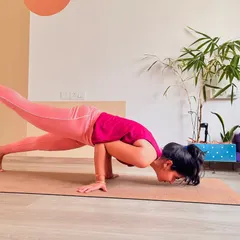
Advanced Yoga Practice: Arm Balances & Inversions in Bengaluru
Master Advanced Inversions and Arm Balances in Bengaluru
Mastering Handstands & Arm Balances: Alignment-Based Yoga
Inversion and Arm Balance Yoga Mastery
More from Yoga & Pilates Fusion by Yoga & Pilates by Rohit
More services by Yoga & Pilates by Rohit