The Yogavijnana Method: Yoga Philosophy & Practice
I teach yoga as a logical, scientific discipline, bridging the gap between ancient scriptures and modern biomechanics. This is how we achieve true stability in body and mind.
Many people think of yoga as just physical exercise, but its roots go much deeper. I explain why understanding the philosophy behind the practice is essential before joining our classes. This knowledge provides the grounding needed to move beyond asanas and embrace yoga as a path to inner calm and self-discovery.
What is the true purpose of yoga asanas? I break down the three outcomes described in yogic texts: 'Arogyam' (health), 'Sthairyam' (stability), and 'Angalaghavam' (lightness of body). The ultimate goal is to achieve a stable and comfortable state, preparing the body for deeper meditative practices.
People often ask how I came up with the name 'Yogavijnana'. It was a name that resonated with my entire being, perfectly blending my background in science (Vijnana) with my passion for yoga. It represents my core mission: to connect the timeless wisdom of yoga with a logical, scientific approach.
My journey from being an engineer to a yoga teacher was a fortunate accident. I initially came to yoga to fix a back problem caused by a mix of a sedentary IT job and adventure sports. This personal experience of healing is what fuels my passion for teaching and helping others find their own path to wellness.
What is the difference between online and offline classes? While online offers convenience, the experience of practicing in the studio, in the presence of a teacher and a group, offers a unique, collective energy that enhances learning. I discuss the nuances of both to help you choose what's right for you.
Meditation is a state you arrive at, not something you can force. I explain the logical process laid out in the Yoga Sutras, from stabilizing the body (Asana) and mind (Pranayama) to concentration (Dharana), which eventually leads to the state of meditation (Dhyana). It is a step-by-step journey, not a shortcut.
How do you measure progress in yoga? It is not just about mastering difficult poses. True growth is measured by mental factors: a calmer mind, a change in your attitude towards others, and a greater sense of acceptance.
Staying motivated for regular practice can be a challenge. The key is to prioritize your health and build the habit through 'Tapas' or willpower. Once the habit is set, the practice itself becomes the driving force.
Patanjali's Yoga Sutras teach that with dedicated practice, we can transcend the dualities of nature, like heat and cold. I explain how consistency helps you build resilience so that external conditions no longer become an excuse to skip your practice.
In our fast-paced world, many people engage in high-intensity workouts but neglect adequate rest. I explain the yogic principle of balance, as mentioned in the Bhagavad Gita, and why balancing activity with rest is crucial for long-term health.
About The Yogavijnana Method: Philosophy & Practice
Before you join my group classes, you will begin with our Fundamentals of Yoga workshop. This is non-negotiable because I need to ensure you understand basic body mechanics and the philosophy of Patanjali’s Ashtanga path first. This prerequisite prevents injury and ensures that when you do step into a regular session, you have the alignment knowledge to practice safely.
Yoga is often marketed as a sweat-driven workout, but that ignores the biological and mental architecture of the practice. At Yogavijnana, my engineering background dictates how I structure every session. We prioritize 'Sthairyam' (stability) and 'Arogyam' (health) over aesthetic poses.
Alignment is my obsession because it is the only way to ensure safety. We utilize props like the Yoga Kurunta (rope wall), bolsters, and chairs not to make yoga easier, but to make it more precise. This allows you to work on spinal traction and inversion support without the strain often associated with free-standing postures. Whether you join us in-studio at Chandra Layout or via our live Zoom sessions, the methodology remains identical. You are not just following an instructor; you are learning the 'how' and 'why' of your own body mechanics.
Students frequently ask why I insist on a fundamentals workshop before allowing entry into group classes. It is simple: yoga is a logical progression. You cannot jump into Pranayama or deep meditation without first stabilizing the body. By teaching you the foundational philosophy and breathwork first, I ensure you have the discipline required to maintain your practice long after the session ends. Consistency, not intensity, is the metric of success here.
Similar work from other experts
Browse through Curated picks from other experts on mytribe

Yoga Philosophy in Practice: Aligning Body and Mind
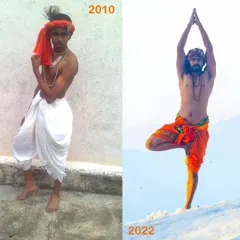
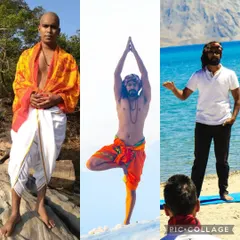
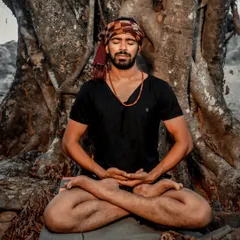
My Yoga Lineage and Teaching Philosophy
 11
11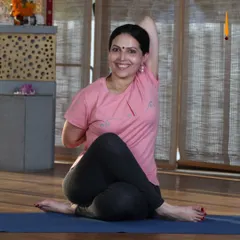
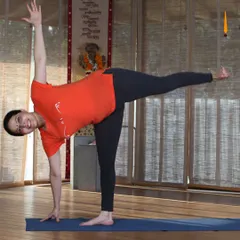
The Yogic Path: Understanding the Iyengar Method
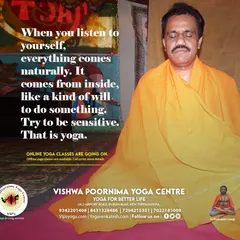
The Path to a Better Life: Philosophy and Transformation
 4
4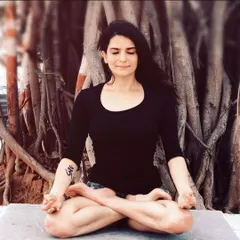

My Yoga Journey and Philosophy
 6
6
My Approach to Yoga and Daily Practice
More from Yoga Classes & Therapy by Yogavijnana
More services by Yogavijnana