Advanced Practice: Inversions & Arm Balances
Ready to take your practice off the mat and into the air? Let's break down complex inversions with safe, step-by-step guidance.
A new handstand breakthrough. This air walk was a huge milestone for me, and it happened because of the encouragement to push beyond my comfort zone.
This is what the middle looks like. The journey to a stable handstand is full of wobbles, and that's where the fun is. It's about progress, not perfection.
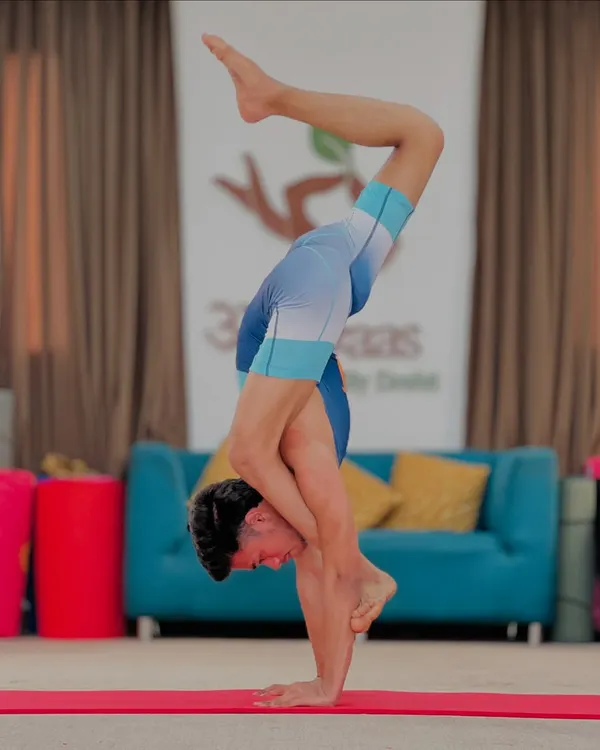
The forearm stand, or Pincha Mayurasana, has always been special to me. This hollowback variation is a deep backbend and inversion that still humbles me and teaches me about balance.
Celebrating some new gains in my practice. This video shows a drop back into a wheel pose and a kick up into a handstand, movements that have taken years of practice to build.
A new transition unlocked. This video shows a press from a tucked position to a pike handstand, a movement that requires immense core strength and control.
A small clip from a morning practice, precariously balancing in a stag leg handstand. This variation combines an inversion with a backbend, challenging both balance and flexibility.
Revisiting Viparita Dandasana, or inverted staff pose, after many years. This deep backbend and inversion was inspired by my students, reminding me that we all grow together.
There is great joy in achieving something that once seemed impossible. This handstand press with lotus legs is a magical moment where years of practice turned into progress.
My first practice of the year, getting excited about Pincha again. This session was about refining my form, keeping my elbows in, and working on a more controlled dismount.
The lessons from my training continue. Here I am practicing my Pincha Mayurasana entry and hold, with my dog Stella providing some much needed supervision.
About Advanced Practice: Inversions & Arm Balances
Inversions like handstands are not just about strength; they are about how you handle the wobbly bits. In my classes, we use wall support, prop drills, and specific alignment cues to build your confidence before you ever try to balance on your own. You will not be holding a handstand on day one, but you will learn how to fall, how to engage your core, and how to stay safe while you play.
Why Inversions Are For Everyone
Many people think inversions are only for advanced yogis, but that is rarely the case. My approach comes from fifteen years of ballet training, where alignment and stability are everything. Whether we are working on a tripod headstand or a full handstand, we start with the foundations: shoulder mobility, wrist strength, and core engagement.
What to Expect in Class
- Foundational Drills: We do not just kick up and hope for the best. We practice the shapes on the floor, using blocks and straps to understand the sensation of the pose before we go upside down.
- Safe Progressions: If you are nervous, we use the wall. If you are ready for more, we practice controlled entries and exits. Safety is the first priority.
- Pincha Mayurasana & Handstands: These are my favorite inversions. We work on the hollow-back shapes and balance transitions that help you find your center.
I teach these sessions at boutique spaces like IFBC Studios in Saket and BoulderBox in Vasant Kunj. We keep batch sizes small (8-15 students) to ensure I can give you the hands-on correction you need. If you have been struggling to find your balance, or if you just want to know how to move your body with more control, come join us. It is okay to wobble. It is okay to fall. That is how we learn.
Similar work from other experts
Browse through Curated picks from other experts on mytribe
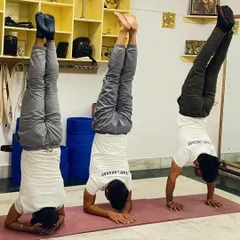
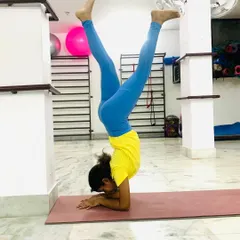
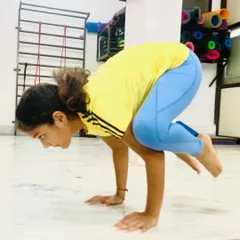
Advanced Inversions & Arm Balance Yoga in Paschim Vihar
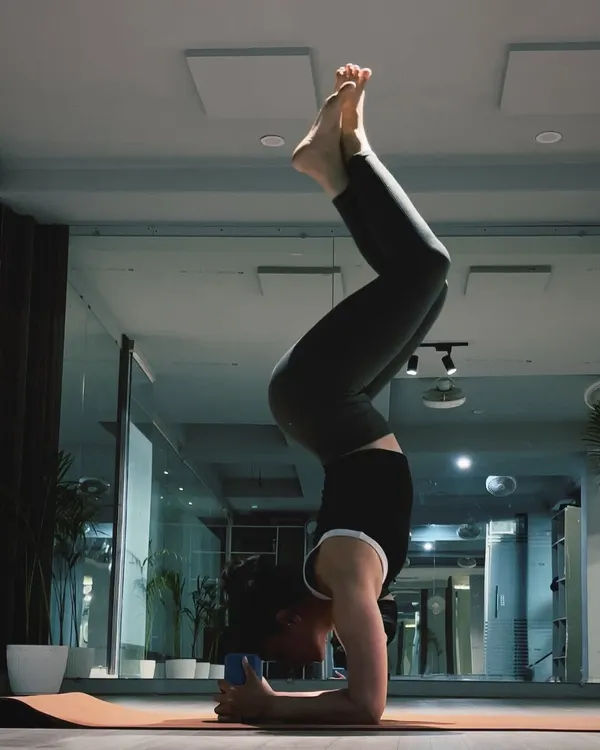 17
17Advanced Yoga Inversions & Arm Balance Practice
Building Strength with Advanced Inversions and Arm Balances
Master Advanced Inversions and Arm Balances in Bengaluru
 23
23
Master Handstands & Arm Balances in Delhi
Challenge Yourself: Advanced Asanas & Inversions
More from Yoga & Movement Instruction by Surbhi Sachdeva
More services by Surbhi Sachdeva