Trimester-Wise Prenatal Yoga and Safe Poses
Your yoga needs shift as your baby grows. I break down safe, effective flows tailored to each stage of pregnancy, ensuring you stay comfortable, strong, and connected to your body.
Navigating yoga during pregnancy can feel overwhelming, but it doesn't have to be. This guide introduces our trimester-by-trimester approach to ensure every pose serves your body's specific needs at each stage.
In the first trimester, we focus on gentle poses that establish a mind-body connection. This graphic highlights foundational asanas like Cat-Cow (Marjaryasana-Bitilasana) to ease back pain and improve spine flexibility, which are safe to practice after consulting your doctor.
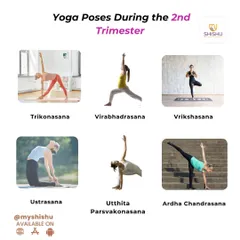
The second trimester is often a time of renewed energy. We introduce poses like Supported Bridge (Setu Bandhasana) to relieve pelvic pressure and Warrior II to strengthen your legs and open your hips, preparing your body for the months ahead.
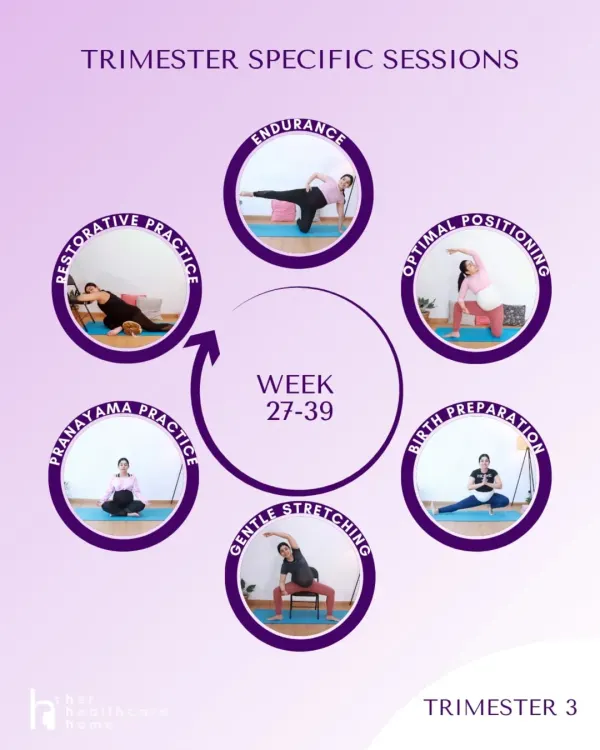
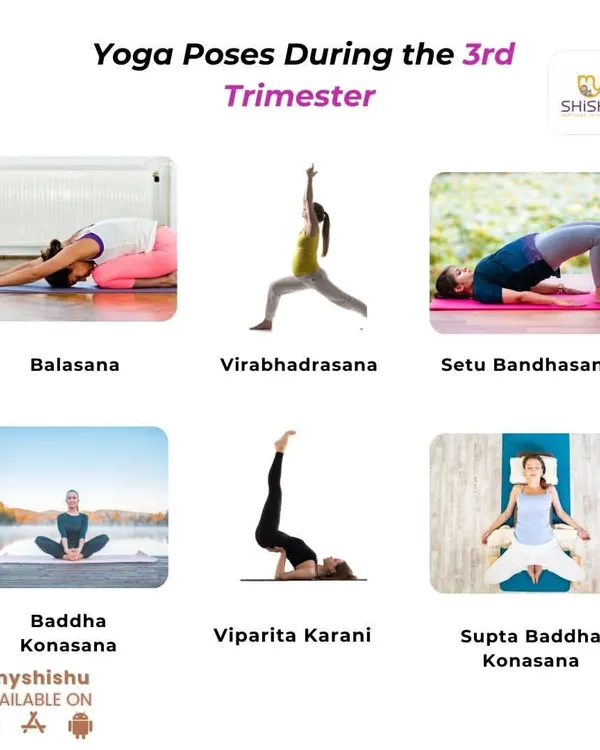
As you approach your due date in the third trimester, our focus shifts to opening the hips and relaxing the body. Poses like Garland Pose (Malasana) prepare you for labor, while Child's Pose (Balasana) helps reduce fatigue.
Here I am demonstrating a modified Dancer's Pose (Natarajasana) during my own pregnancy. This video includes a comprehensive list of do's and don'ts for a healthy pregnancy, covering everything from hydration and diet to safe exercise and stress management.
When is the right time to start prenatal yoga? In this video, I explain the guidelines. If you're a regular practitioner, you can start early with modifications, but for beginners, the second trimester is ideal after getting approval from your physician.
This is me practicing a modified Warrior III (Virabhadrasana III) during my pregnancy. Balancing poses were my favorite for maintaining mental focus and physical stability. My personal practice informs everything I teach.
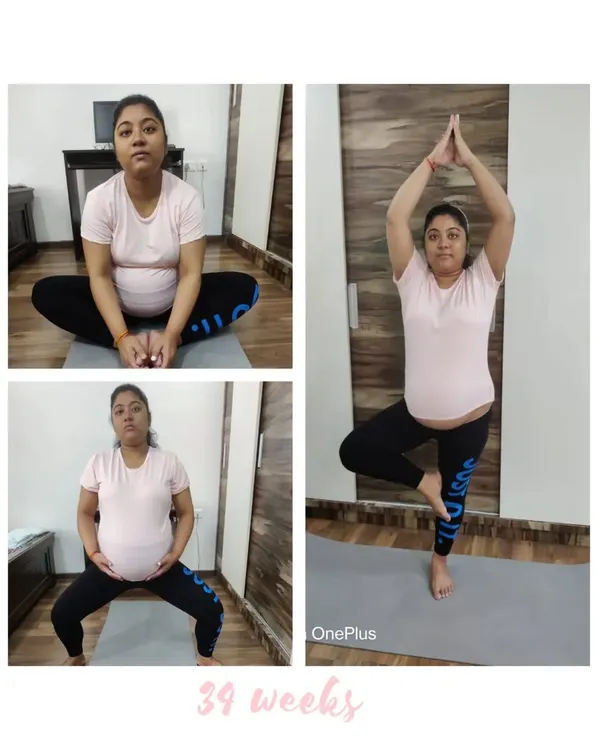
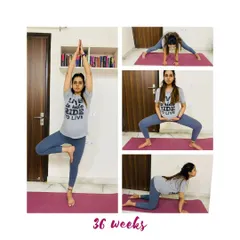
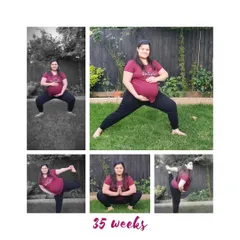
The Goddess Pose (Utkata Konasana) is a powerful asana for expecting mothers. Here, I demonstrate the pose, which is excellent for opening the hips, strengthening the thighs, and building stamina for labor.
At 32 weeks pregnant, I continued to practice modified versions of my favorite asanas, like this Dancer's Pose. It helped me maintain flexibility and a strong connection to my changing body, reinforcing the safety and benefits of a guided practice.
The Tree Pose (Vrikshasana) is a beautiful way to cultivate balance and stability. In this photo from my own pregnancy, I demonstrate how to safely practice this pose, grounding through the standing leg while connecting with my baby.
About Trimester-Wise Yoga & Safe Poses
Safety is non-negotiable, so we focus on what works for your specific stage. For instance, while we use Cat-Cow sequences early on to ease spinal tension, I help you transition to hip-opening poses like Malasana as you approach your due date. Everything is designed to keep you and your baby comfortable, not just physically active.
Adapting Your Practice
Pregnancy is not a one-size-fits-all journey, and your yoga mat should reflect that. My prenatal classes are structured to align with your body’s changing requirements:
- First Trimester (0-12 Weeks): The focus here is establishing a mind-body connection and managing early pregnancy symptoms like fatigue. We prioritize gentle, restorative movements that build a foundation without overexertion.
- Second Trimester (13-27 Weeks): As energy levels often return, we introduce asanas that strengthen your legs and open your hips, such as Warrior II and Supported Bridge, to alleviate pelvic pressure.
- Third Trimester (28-40 Weeks): We shift towards preparing the body for labor. This includes deep hip-opening sequences and breathing techniques to manage physical strain and keep you mentally calm.
Why Technique Matters
Many expecting mothers worry about what is safe. My instruction emphasizes clear 'do's and don'ts'—for example, avoiding deep inversions and intense core engagement that can cause unnecessary abdominal pressure. I also guide you on using simple home props like chairs or birthing balls to make postures accessible.
The 'Focus Mode' Difference
I teach these sessions via Zoom with 'Focus Mode' enabled. This means I can see you to correct your alignment and keep you safe, but you cannot see other participants. This allows for a private, intimate environment where you can focus entirely on your practice, your body, and your baby, regardless of your experience level.
Similar work from other experts
Browse through Curated picks from other experts on mytribe
 12
12
Prenatal Yoga for a Stronger Pregnancy & Smoother Birth
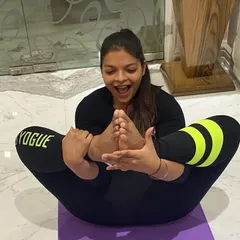
Prenatal Yoga & Safe Pregnancy Exercises
Prenatal Yoga: A Supported & Safe Practice in Bengaluru
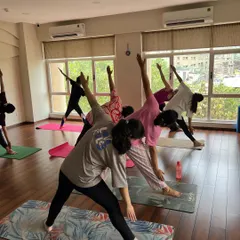
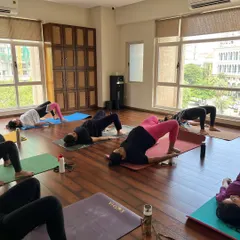
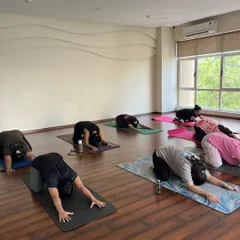
Gentle Prenatal Yoga Classes in Powai for a Balanced Pregnancy
 21
21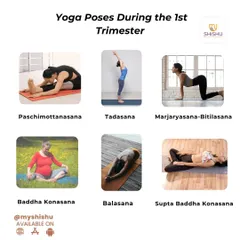
Prenatal Yoga & Fitness for a Mindful Pregnancy
 43
43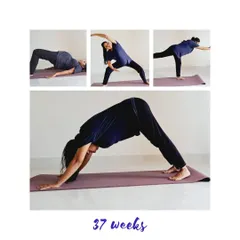
Your Pregnancy Yoga Journey at Home
More from Prenatal Yoga & Wellness Program by Hamsikha