Precision training plans based on your actual race data
I don't believe in junk miles or guess-work. My coaching uses your specific Garmin or Strava stats—from heart rate zones to VO2 max—to build a roadmap that actually works for your body.
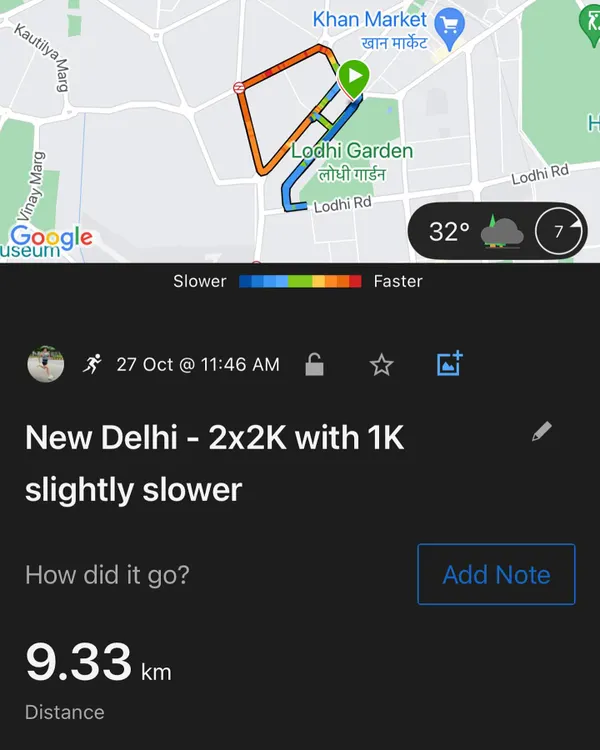
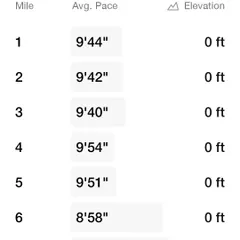
A look at my 10K tempo splits. Consistency is key, and data like this helps us analyze performance, identify areas for improvement, and ensure every kilometer is run with purpose. My coaching focuses on maintaining a strong, steady pace during threshold runs.
This screenshot shows a "Superior" VO2 Max of 58, placing me in the top 1% for my age and gender. I use this metric to track aerobic fitness and tailor training intensity to help my clients achieve similar peak performance levels.
This weekly progress chart shows over 100 km of running in a single week, part of a 100-week streak. I use this data to monitor training load and ensure consistency, which is the foundation of my marathon coaching philosophy.
A 7-day summary showing 13 runs, 5 workouts, and key health metrics like a low resting heart rate of 42 bpm and good sleep score. My coaching takes a holistic view, emphasizing the importance of recovery and overall wellness alongside running.
Analyzing running dynamics like cadence, stride length, and ground contact time is crucial for improving efficiency and preventing injury. I teach my runners how to interpret this data to refine their form and become more economical runners.
This heart rate zone chart from a half marathon shows that 89% of the run was in the aerobic zone. This is a perfect example of smart pacing, which is essential for endurance events and a key focus in my race preparation coaching.
These are the splits from a 15km tempo run, showing consistent pacing around 4:35-4:40/km. I analyze these charts to ensure my athletes are hitting their target zones without burning out, a critical skill for half and full marathon training.
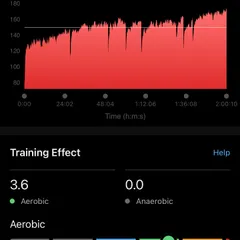
This "Overreaching" status on a training effect chart indicates a very demanding workout that improves the lactate threshold. While beneficial, it also highlights the need for adequate recovery, a balance I carefully manage in my training plans.
About The Data-Driven Approach
Most runners train based on how they feel, but that leads to overtraining and injury. I look at your actual metrics—resting heart rate, sleep scores, and training load—alongside your weekly mileage to verify if you are recovering well or teetering on the edge. We do not guess; we use your data to decide when to push hard and when to pull back. If the numbers show you are in the red, we adjust the plan immediately, not next week.
Training with Purpose
Science-backed training is not just for the pros. Whether you are prepping for your first 5K or chasing a sub-2 hour half marathon, understanding your body’s signals is non-negotiable. Savdhani hati, durghatna ghati (carelessness leads to mishaps)—this applies to your running form and heart rate intensity more than anything else.
What We Track and Why
- Heart Rate Zones: We ensure your easy runs are actually easy. Many runners make the mistake of running too hard on easy days, which kills recovery. We keep you in the aerobic zone to build a solid base.
- Cadence and Form: By analyzing your ground contact time and stride length, we can identify mechanical inefficiencies that cause recurring injuries like shin splints or runner's knee.
- VO2 Max and Fatigue: We monitor these trends to see if you are truly getting fitter or just accumulating fatigue. If your VO2 max dips in Delhi’s humidity, we don't panic. We interpret that data to understand heat adaptation versus actual fitness loss.
The Feedback Loop
My coaching is a collaboration. You provide the data from your wearable, and I provide the strategy. Through our bi-weekly calls, we analyze your tempo runs and long sessions to see if you are hitting your target zones. If you hit a wall at kilometer 15, we do not just say 'try harder.' We look at your pacing, your fueling, and your mental state to figure out exactly where the break happened. This is how we build durability, not just speed.
If you are ready to stop guessing and start training with intention, let’s get to work.
Similar work from other experts
Browse through Curated picks from other experts on mytribe
 7
7
Data-Driven Marathon and Running Training in New Delhi
Science-Based 10k & Marathon Race Preparation

Personalized Running Coaching for 5K to Ultra
 10
10
10k Race Results and Pacing Strategies
Specialized Race Prep for Marathons and HYROX
Smart Cardio and Endurance Training for Real Athletic Results
More from Running Coaching by Megha Kishore
More services by Megha Kishore