Data-Driven Marathon and Running Training in New Delhi
You cannot improve what you do not track. Here is how we use heart rate, pace, and gait metrics to make your training smarter, safer, and consistently faster.
A screenshot of an interval workout: 2x2k with a 1k float. My coaching is flexible; I adjusted this runner's Long Slow Distance (LSD) to an interval run at the last minute based on his needs.
The map and stats from a nearly 20km long Sunday run. We cover significant distances through New Delhi as part of our marathon training block.
A look at the heart rate data and training effect from a long run. We analyze this to ensure our athletes are training in the right aerobic zones to build endurance efficiently.
The data from a 90-minute, 16km run with me. The runner maintained a low heart rate even at a decent pace, showing a strong aerobic base.
Lap splits from a 40-minute aerobic run. You can see the runner maintaining a consistent pace, which is a key skill we develop for race day.
The summary of another 40-minute aerobic run, showing distance, average heart rate, pace, and calorie burn. We track everything to see the full picture.
The data from a 25km progressive run. The runner executed the plan perfectly, starting slow and finishing with the fastest kilometer at the end. This is smart racing.
About Data-Driven Progress: Tracking Our Journey
When you train with me, the stopwatch is not your only metric. We look at your aerobic zones, heart rate variability, and split consistency during every session. This data tells the real story of your fitness, preventing injuries before they happen. When you see the numbers align on race day, bas bahut badhiya—that is the goal.
Beyond the Map
Many runners focus solely on distance. In our tribe, we look at the 'why' behind every kilometer. Whether we are running at the Jawaharlal Nehru Stadium or doing long Sunday runs at Amrita Shergil Marg, we capture your heart rate, cadence, and pace. This helps us ensure you are training in the right aerobic zones rather than just burning yourself out.
The Science of Training
- Aerobic Efficiency: I monitor your heart rate to ensure you are building a proper base. We want you to run faster at a lower heart rate.
- Progressive Loading: We use split times from your interval runs and hill sprints to decide when to increase your intensity.
- Form Correction: Through gait analysis, we identify biomechanical inefficiencies that cause long-term injuries.
Why We Do This
Running is a sport, and like any sport, it responds to structure. When a runner like Nikhil executes a negative split at the Tata Steel 25K because we stuck to the plan, it proves the method works. It is not about guessing; it is about knowing your body's limits and pushing them just enough. We take the guesswork out of your marathon prep, ensuring you peak exactly when it matters.
Similar work from other experts
Browse through Curated picks from other experts on mytribe
 72
72
Data-Driven Fitness Coaching in Delhi NCR
 14
14
Run Faster and Safer with Smart Training
 35
35

Personalized Race Strategies for 10K and Marathons
Marathon & Road Running Training in Delhi


Cardio & Endurance Training to Build Your Stamina
 10
10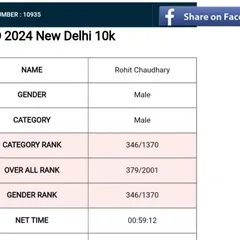
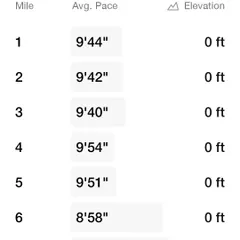
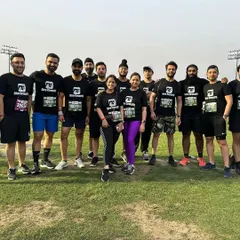
10k Race Results and Pacing Strategies
More from Performance Running Coaching by Pankaj Dhiman
More services by Pankaj Dhiman