Our Architectural Design Process
Architecture is the journey from an abstract idea to a physical reality. This collection traces how we translate concepts into buildable, climate-responsive structures.
A conceptual diagram for a kindergarten in Lucknow. This axonometric drawing illustrates the core idea of using modular classrooms to carve out a variety of interconnected open spaces, including individual play decks and shared courts, to encourage interactive learning.
An abstract graphic representation of Residence C in New Delhi. This image distills the project down to its essential elements: a series of interlocking volumes and planes that create inside-out spaces for a garden house, all governed by light and shadow.
A site plan for an eco-resort concept on the Gomti flood plains. The design proposes lightweight 'living pods' that float over agricultural fields, arranged in a linear pattern that minimally disturbs the existing landscape and ecosystem.
A rendering of the eco-resort 'living pods'. The simple, pyramidal forms with reflective skin are designed to camouflage into the natural setting, mirroring the changing sky and surrounding fields to create a temporary architecture that is one with its environment.
A physical scale model for the Artist Residency in Delhi. Made from simple wood blocks, this model was used to study the massing and geometric relationship between the different sloping roof volumes and the open spaces they create.
An abstract line drawing exploring the structural logic for a penthouse in Lucknow. The drawing resembles a maze or a natural branching pattern, illustrating the idea of creating organic, interconnected spaces within a geometric framework.
A conceptual rendering that explores the idea of a completely fluid, transparent space. Inspired by modernist pavilions, this image uses a simple grid to define a universal space where interior and exterior merge, punctuated only by reflective sculptural elements.
A hand-drawn elevation for a post-disaster rehabilitation shelter. The design uses earth architecture and passive heating techniques, learning from local vernacular building wisdom to create a sustainable and context-appropriate structure in a mountainous region.
A technical diagram of the plug-in facade system for the AEEE workspace. This section drawing explains how the adjustable louvers, integrated planters, and service decks work together as a high-performance system to control light and climate.
An editor's note from a feature on the Artist Residency project. This type of documentation and critical review is part of the architectural process, helping to articulate and share the ideas that drive the design.
About The Design Process: From Concept to Construction
The architectural process is rarely linear. Before we lay a single brick, we iterate through physical models and conceptual diagrams to test how light and shadow will inhabit your space. We treat this phase as a rigorous dialogue, ensuring that every Good-for-Construction (GFC) drawing we produce is informed by strict site-specific climate studies, whether we are designing a private residence or a public institution.
Architecture is about the 'in-between' spaces—the threshold where the indoors meets the outdoors. Our process is designed to define these boundaries through three distinct phases: conceptualization, technical documentation, and site execution.
The Conceptual Phase
We begin by dismantling the program. Using scale models and conceptual diagrams, we study the massing of volumes and the movement of the sun. We are not just drafting floor plans; we are modeling light and wind patterns. Whether it is an eco-resort or a compact urban penthouse, the design must respond to its immediate context. Our initial renderings and hand-drawn elevations allow us to visualize the interplay of materials like brick, steel, and bamboo before construction begins.
Technical Documentation (GFC)
Ideas fail without execution. We bridge the gap between design and reality by preparing comprehensive GFC drawing sets. This includes over 60 custom drawings per large-scale project, detailing everything from steel exoskeleton joinery to exposed MEP layouts. We define the logic of the structure so that builders and artisans have a clear roadmap. For modular projects, we focus on mechanical joinery and precise assembly details that allow for rapid, high-quality fabrication.
Execution and Stewardship
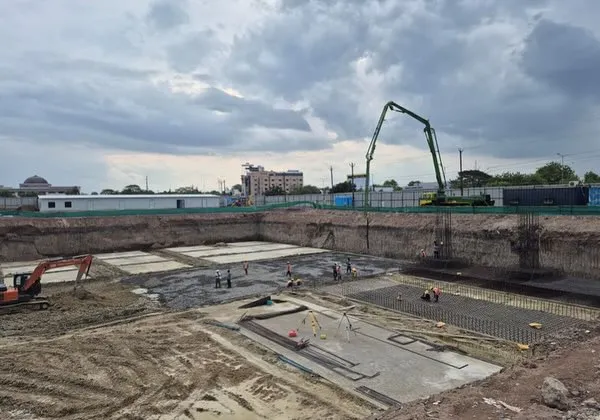
Design intent is fragile; it requires constant vigilance on site. We practice active site supervision, typically visiting 2-3 times per month to audit reinforcement details and finishing precision. We coordinate directly with metal fabricators, stonemasons, and bamboo weavers to ensure that the material honesty we promised in the diagrams translates into the final built form. Sustainability is not an afterthought here; it is embedded in the initial passive cooling and climate-responsive planning of every project.
Similar work from other experts
Browse through Curated picks from other experts on mytribe
 24
24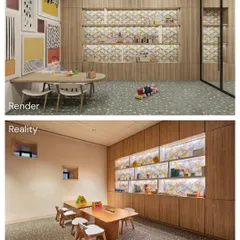
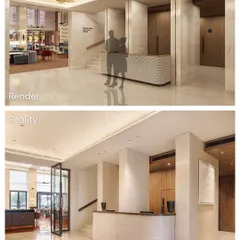
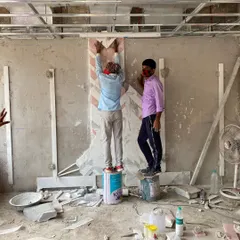
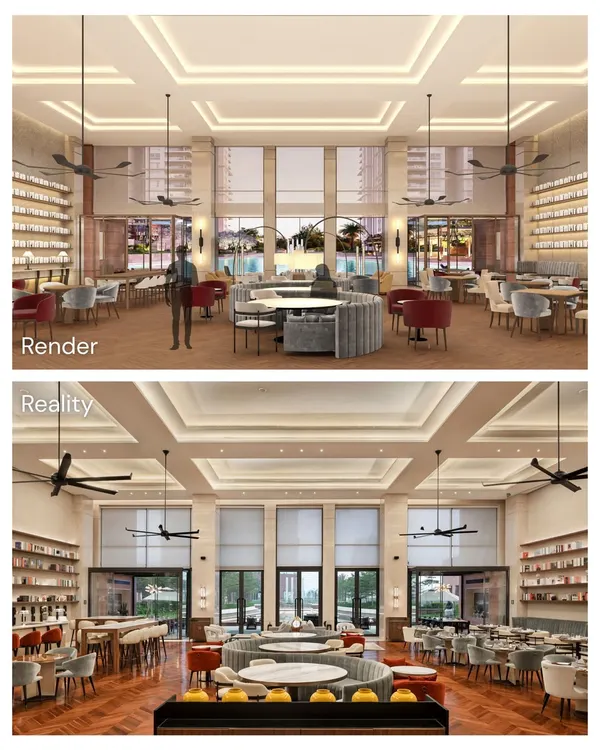
Our Design Process: Turning Renders into Built Reality
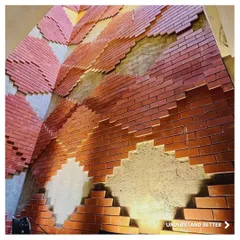
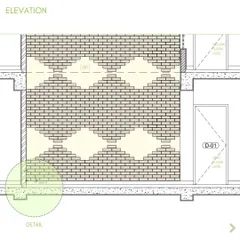
Architecture Design Process: From Sketch to Structure
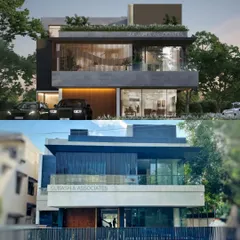
The Design Journey: From Sketch to Structure
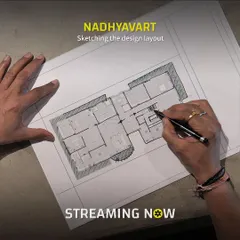
Architectural Design: From Concept to Creation
 14
14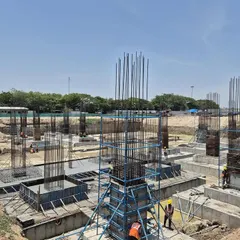
Our Architectural Design Process: From Concept to Construction
The Design Journey: From Initial Sketches to Final Reality
More from Architectural Design by Studio Array
More services by Studio Array