Commercial and Institutional Architecture for Purposeful Spaces
We approach public and commercial architecture as living infrastructure. Our focus is on creating environments that facilitate interaction, respond to the local climate, and maintain material honesty.
A rendering of the Benaras restaurant project, showing the relationship between the traditional tiled roof and the modern glass facade. The design creates a bright, open dining area that looks out onto a brick-paved courtyard, blending vernacular and contemporary styles.
A rendering of the rooftop terrace at Studio Tarai, a workshop for craftspeople in Rudrapur. The space is defined by perforated brick screens and low planters, creating an open-air court that encourages interaction and exchange between the artisans.
An interior courtyard at Studio Tarai. The design interweaves solid brick volumes with open, naturally lit courts and covered walkways. A tree grows through the center, emphasizing the integration of landscape within the building's footprint.
Another view of the Studio Tarai terrace, showing how the brick volumes are interwoven with lighter, screened structures. This layering of materials creates a dynamic environment that is both enclosed and open to the elements.
A rendering of the central play court in a kindergarten design. The space is designed to be interactive and engaging, with colorful, floating classroom volumes, a transparent red mesh staircase, and a variety of niches that encourage exploration and play.
A conceptual design for a winery in Solapur, Maharashtra. The architecture is composed of modular, earth-toned volumes with large, screened facades (brise-soleil) that help regulate temperature while creating a strong, minimalist aesthetic that respects the landscape.
The Gazebo 1.0 project in New Delhi, a lightweight and modular steel structure designed as an office. The warm wooden interiors and textured surfaces provide a balance to the industrial efficiency of the knockdown steel and glass frame.
The Gazebo 1.0 office space seen from the outside patio. The full-height glass walls dissolve the boundary between the workspace and the garden, allowing the employees to feel connected to the outdoors throughout the day.
The plug-in facade system designed for a workspace in Green Park, New Delhi. This exterior view shows the adjustable aluminum louvers, which function as light shelves and screens to regulate sunlight, reducing glare and heat gain for the offices inside.
About Commercial & Institutional Projects
When designing commercial spaces, we prioritize porosity, meaning we do not just build walls. We create courtyards, verandahs, and terraces that act as outdoor meeting rooms. This ensures that an office or school feels less like a sterile box and more like a community space that breathes, naturally connecting the interior workspace to the landscape.
In our institutional work, we move away from the traditional concept of a building as a static container. Instead, we approach design as a framework for human interaction. For our Studio Tarai project in Rudrapur, we utilized perforated brick screens and open-air courts to transform a craft workshop into an interactive hub for artisans. This layering of material and void creates a dynamic environment where the building itself encourages exchange between users.
We apply this same rigor to workspaces. In our Green Park office design, we engineered a plug-in facade system. These adjustable aluminum louvers function as light shelves, acting as a climate-control mechanism that regulates heat gain while maximizing natural light. Similarly, the Gazebo 1.0 project demonstrates that an office can be a modular, knockdown steel structure that dissolves the boundary between the desk and the garden.
Our commercial design process focuses on three pillars:
- Material Honesty: We expose steel, brick, and concrete so the anatomy of the building is readable, not hidden.
- Climate Responsiveness: We design volumes that naturally regulate temperature, reducing long-term energy dependency.
- Porous Planning: We prioritize layouts that spill into outdoor courts, fostering a flow between indoor work zones and exterior break areas.
Whether you are developing a commercial campus or an institutional facility, we view the architecture as a long-term piece of infrastructure that should adapt to your organization's needs.
Similar work from other experts
Browse through Curated picks from other experts on mytribe
 15
15
Commercial and Community Architecture Design
 16
16
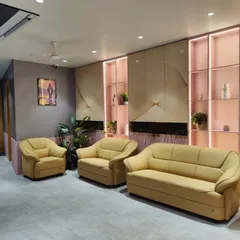
Commercial and Institutional Space Design
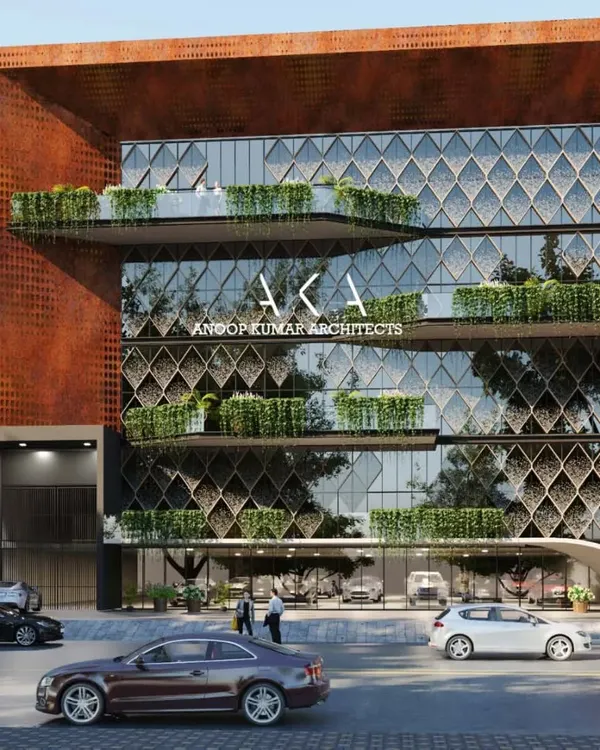 6
6
Commercial Architecture and Modern Office Design
 13
13
Architectural Design and Structural Vision
 8
8
Corporate and Institutional Architecture
 9
9
Featured Architectural Projects
More from Architectural Design by Studio Array
More services by Studio Array