Hurdle Training in Greater Noida: Master Your Technique
Hurdles require more than speed. They demand rhythm, flexibility, and a disciplined approach to every step. We break down the mechanics to help you clear obstacles with precision.
A female athlete performs a hurdle mobility drill. This exercise is crucial for developing the hip flexibility required for efficient hurdle clearance.
A young athlete practices her hurdle run-throughs on the grass field. We focus on building confidence and technique before moving to higher speeds.
An athlete carries a hurdle as part of a strength and conditioning drill. This builds functional strength specific to the demands of a hurdler.
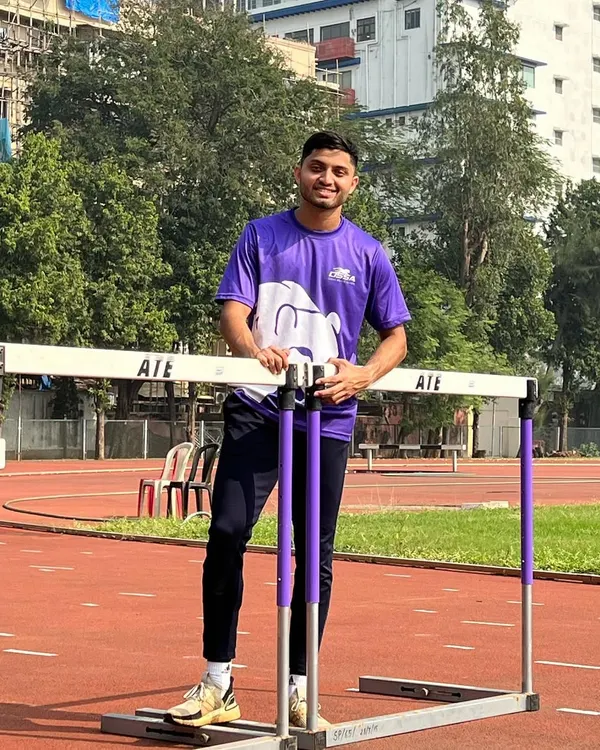
A young hurdler practices his technique on a synthetic track. We ensure our athletes are prepared for all competition surfaces.
Athletes performing hurdle drills on a synthetic track. This drill focuses on maintaining speed and rhythm between the hurdles.
An athlete works on his lead leg and arm action while going over a series of low hurdles. Repetition is key to mastering the complex movements of hurdling.
A group of athletes performing coordinated hurdle jump drills. This helps in developing explosive power and synchronization.
I observe as an athlete practices two-footed jumps over hurdles, a plyometric drill to build explosive strength in the legs.
A young female athlete practices multi-hurdle jumps, a key drill for improving coordination and reducing the time spent in the air.
Athletes performing two-legged hurdle hops in sequence. This plyometric exercise is excellent for developing power and a quick ground contact time.
About Hurdle Mastery: From Drills to Race Day
The biggest mistake athletes make in hurdling is over-striding. We fix this by focusing on your trail leg mechanics and lead leg rhythm, rather than just raw speed. You will spend time on our grass field perfecting these small, essential movements before taking them to the synthetic track. It is a slow, methodical process that pays off when you finally hit that race pace.
Hurdle training is an exercise in discipline. At The Athletics Future Academy, we strip away the flashy stuff to focus on the basics that actually win races. Our training modules emphasize specific technical phases: the approach, the flight, and the landing.
We use a mix of 'duck-under' drills to keep your center of gravity low and plyometric hops to build explosive strength. You will notice our students training on grass frequently. This is intentional. The uneven surface forces your muscles to stabilize, creating a stronger foundation that makes a synthetic track feel effortless on race day.
Our Hurdle Training Methodology
- Mobility Drills: Before you jump, you must have the hip flexibility to clear the hurdle without sacrificing speed.
- Rhythm & Tempo: We use low hurdles to train your stride pattern, ensuring you do not stutter-step before the jump.
- Technical Corrections: Every session includes direct feedback. If your trail leg drops, you will hear about it immediately.
- Strength Integration: You cannot clear hurdles with weak legs. We integrate strength conditioning to ensure you have the power to explode off the ground.
Whether you are a school athlete or training for police physical exams, the fundamentals remain the same. Discipline on the track starts with discipline in your technique. Stop looking for shortcuts and start mastering the movement.
Similar work from other experts
Browse through Curated picks from other experts on mytribe
 7
7


Hurdle Mastery Training
Agility & Coordination: Hurdle Drills for Sprinters
Speed & Agility Drills: Build Explosive Athletic Power
Running Form and Speed Training in Noida
Sprint & Speed Development Coaching
Track Training and Speed Development
More from Track and Field Training by Sonu Bhati
More services by Sonu Bhati