Sacred Rituals, Chanting, and Vedic Traditions
Rituals like puja and havan are not merely ceremonies; they are active practices of Bhakti Yoga that purify the mind and deepen our connection to the Self.
This video captures the atmosphere of a Devi Puja, a ceremony honoring the Divine Mother. You can hear the traditional Sanskrit chanting, a practice that elevates the mind and purifies the environment.
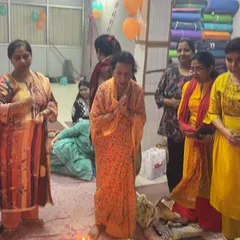
I am performing a puja, a ritual of worship, surrounded by lamps and offerings. These ceremonies are a vital part of ashram life, cultivating devotion and focus.
Another perspective of the puja ceremony, showing the intricate mandala and the arrangement of lamps. Every element of the ritual has a deep symbolic meaning.
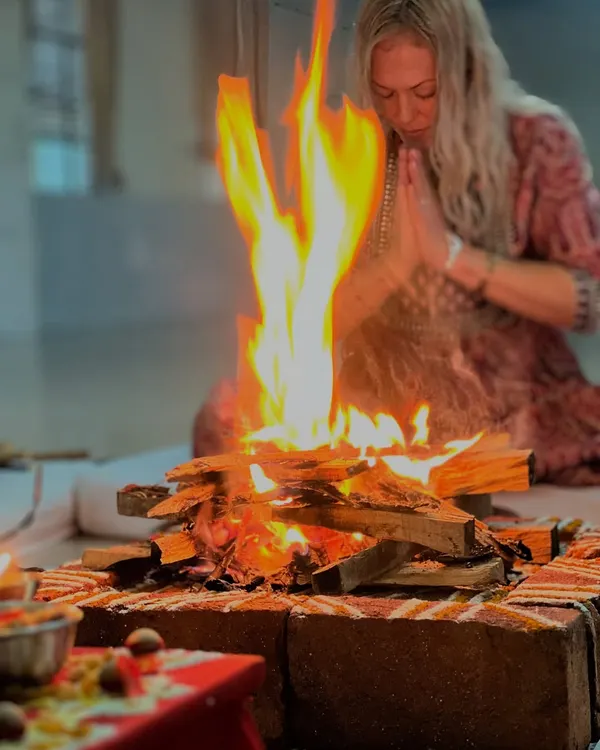
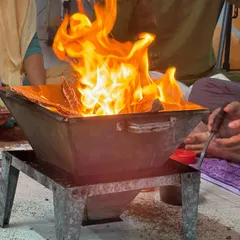
Performing a havan, or fire ceremony, during a retreat in Turkey. The fire ritual is a powerful practice for making offerings and prayers, symbolizing the offering of our ego into the fire of knowledge.
The sacred smoke from the havan purifies the space and carries our intentions. These ancient Vedic rituals are an integral part of our intensive programs.
Lighting the sacred fire during a havan. This act represents the illumination of knowledge dispelling the darkness of ignorance.
A close-up of the fire ceremony. The focus and devotion required for these rituals are a form of meditation in themselves.
Students participating in Karma Yoga by preparing a rangoli, a sacred geometric design, for a Devi Puja. This selfless service is a way to practice mindfulness and devotion.
The intricate process of creating a rangoli with colored powders. This art form is a meditative practice that focuses the mind and beautifies the sacred space.
Hands carefully creating the lotus pattern in the center of the rangoli. The lotus symbolizes purity and spiritual unfoldment.
About Sacred Rituals & Chanting
When you participate in our rituals, such as the Devi Puja or fire ceremonies (havan), you are engaging in a form of Karma Yoga. It is not passive observation. You might find yourself preparing the mandala, arranging the oil lamps, or chanting the traditional Sanskrit verses, which serves to quiet the external noise and bring focus to your internal state.
The Role of Rituals in Bhakti Yoga
In our tradition, rituals are a systematic method to channel emotion into devotion. By engaging in sacred ceremonies, we move from the external to the internal. The repetition of chanting and the precision required in rituals like Rangoli making are not just decorative; they are practices in concentration. They help us develop the discipline required for deeper meditation.
The Havan Experience
The fire ceremony, or Havan, is a cornerstone of our intensive programs. It is a powerful practice of offering—symbolically casting our ego and limitations into the fire. This act of sacrifice is central to the Vedic tradition, helping us purify the environment and our own intentions. You will see this practiced with deep focus at our Amboli ashram, often accompanied by Vedic chanting that has been preserved for generations.
Karma Yoga through Service
At our ashram, you will observe students involved in creating intricate rangoli designs or preparing the puja space. This is Karma Yoga in action. Selfless service is not separate from spiritual study; it is the laboratory where we practice mindfulness. Whether you are a beginner or an advanced practitioner, participating in these rituals offers a tangible way to ground your philosophical studies in daily action.
Similar work from other experts
Browse through Curated picks from other experts on mytribe
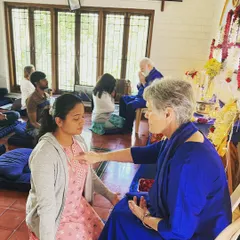
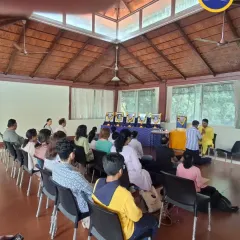
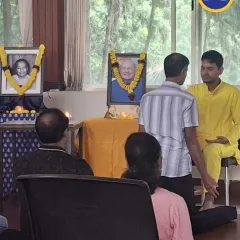
Sacred Fire Ceremonies and Purification Rituals in Bangalore
 17
17
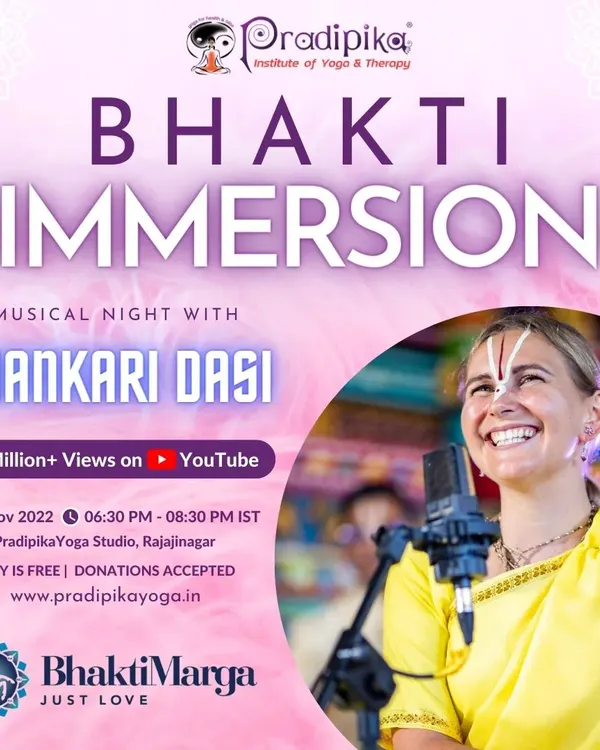
Spiritual Kirtan Gatherings and Bhakti Yoga in Rajajinagar
 5
5
Bhakti & Kirtan: The Path of Devotion
 6
6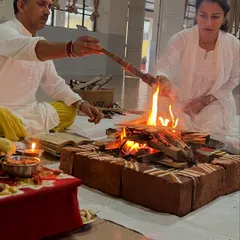
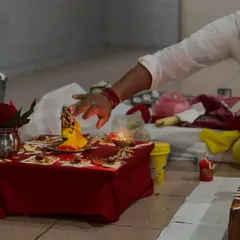
Sacred Vedic Fire Ceremonies at Sivananda Yoga Gurgaon
 6
6
Authentic Vedic Rituals and Puja Guidance in Bangalore
 4
4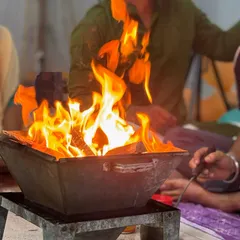
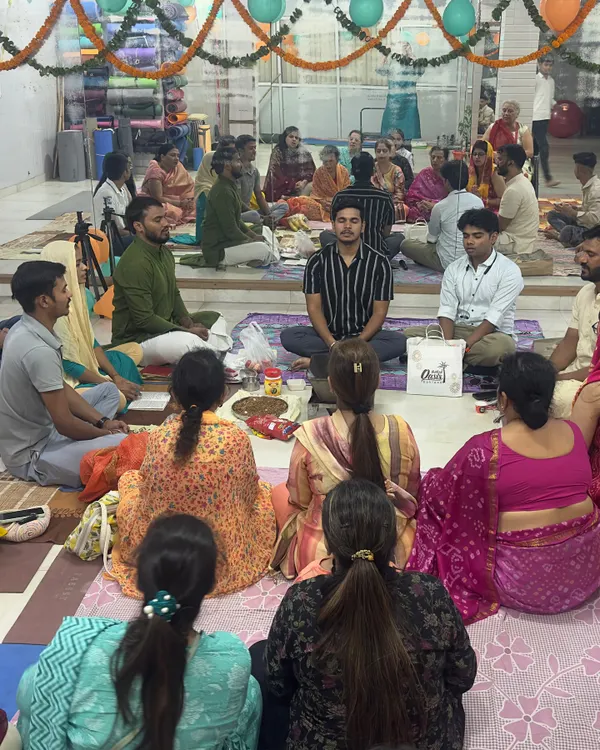
Community and Sacred Rituals at Our Yoga Studio
More from Specialized Yoga & Philosophy Courses by Govindananda Saraswati
More services by Govindananda Saraswati