Protein Facts & Myths: Science, Not Hype
From kidney health to the '8-hour digestion' myth, I'm cutting through the internet's noise to show you how protein actually works.
Protein Supplements: Should You Take Them? The answer is yes and no. If you meet your daily protein needs through food, supplements are unnecessary. But if you struggle to get enough, they are a safe and convenient way to fill the gap. I explain how to calculate your personal protein requirement.
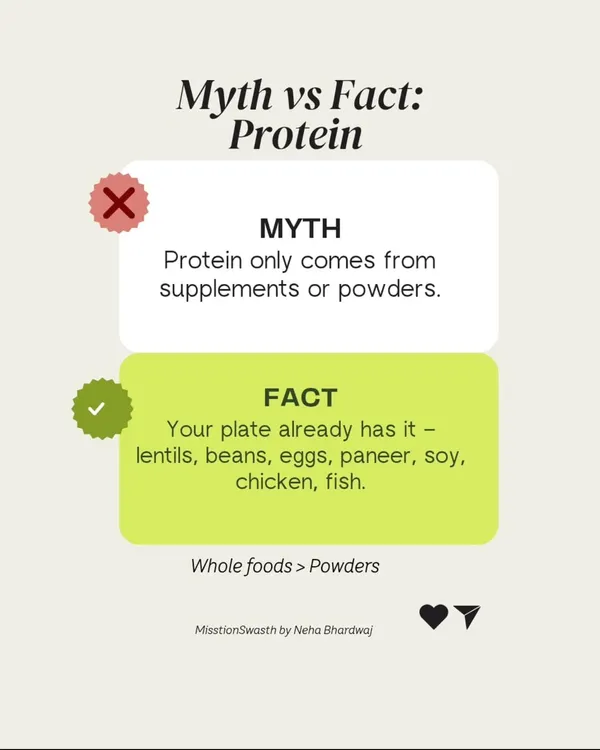
Protein is Not Just Supplements. When people hear "protein," they often think of powders and shakes. But protein is abundant in natural foods like milk, paneer, curd, lentils, and eggs. Supplements are only meant to complete what your diet may be lacking.
Myth: High Protein Diets Damage Healthy Kidneys. This is a persistent myth that is not supported by science. For healthy individuals, a high-protein diet does not harm kidney function. The guidelines for people with pre-existing kidney disease are different and should not be applied to everyone.
Myth: Whey with Milk Delays Digestion by 8 Hours. You may have heard this, but it's a huge exaggeration. While the casein in milk can slightly slow the digestion of whey protein by an hour or two, it does not delay it by 8 hours. There is no need to fear this combination.
Myth: You Must Mix Plant and Animal Protein. There is no magical benefit to mixing different protein sources in one meal. As long as you meet your total daily protein requirement, your body will get the full benefits, whether the sources are consumed together or separately.
Myth: The Elderly Should Only Take Protein at Night. Protein timing is less important than total daily intake. For muscle protein synthesis, it's best to distribute your protein intake evenly throughout the day, rather than concentrating it in one meal, regardless of age.
Protein Myth Breaker. Let's clear up the confusion around protein with some quick, science-backed facts.
Is protein harmful to your kidneys? No, healthy individuals can consume up to five times the RDA of protein without harmful effects on their kidneys.
Can dietary protein harm your bones? No, there is no evidence that a high protein diet negatively impacts bone health. In fact, it may be beneficial.
Does "excess" protein increase fat mass? No, in trained individuals, high protein intake does not lead to an increase in body fat. Excessive intake of carbohydrates and fats is the more likely culprit.
About Protein Facts & Fictions
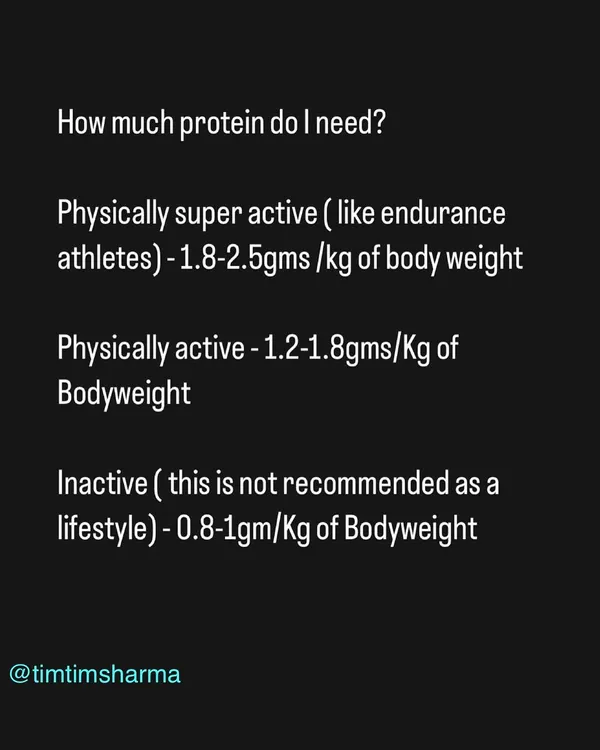
A lot of people worry that protein supplements will damage their kidneys or that they need to mix plant and animal sources for 'complete' absorption. Both are myths. If your kidneys are healthy, you can safely consume up to five times the RDA of protein without any issues. The real challenge is not the safety of protein, but calculating your specific daily requirement based on your activity level and goals.
There is a massive difference between reading a generic fitness blog and understanding your own biological data. When people land here, they are usually looking for the 'right' way to hit protein goals. The truth is, there is no single 'right' way, just the way that works for your unique physiology.
Why the Confusion?
Most of the 'rules' you see online regarding protein intake, timing, and sources are recycled marketing points, not science. Whether you are vegetarian, vegan, or an omnivore, you can absolutely hit your targets without obsessively combining sources or fearing for your kidney health.
Moving Beyond General Advice
In my practice, I look at the data—literally. By using DNA-based nutrition plans, we stop guessing. We look at your specific metabolic markers to see how your body handles carbohydrates, fats, and protein processing.
We focus on:
- Total Daily Intake: Consistency matters more than obsessing over whether to take whey before or after a workout.
- Macronutrient Optimization: Using your DNA to tailor your protein intake to your muscle fiber dominance, whether you are endurance-focused or power-focused.
- Natural Sources vs. Supplements: Supplements are a tool, not a necessity. If your current diet falls short, we find a way to bridge the gap using food first, then high-quality supplementation if needed.
The Transformation
You do not need a restrictive diet to see results. I help clients manage portion control and understand calorie deficits while still enjoying Indian staples like rice and roti. The goal is to build muscle, improve body composition, and fix your relationship with food for the long term. If you are tired of the guesswork and want a plan built on your actual genetic data, let's talk.
Similar work from other experts
Browse through Curated picks from other experts on mytribe
 6
6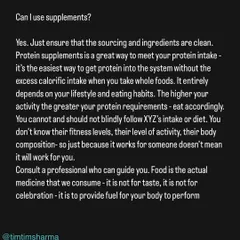
Understanding Protein Needs for Performance
 6
6
Busting Nutrition Myths with Science-Backed Facts
 143
143
The Science of Sustainable Nutrition
Science-Based Nutrition and Supplementation Facts
Busting Common Nutrition Myths: Science-Backed Facts for Your Health
Nutrition Myth-Busting & Practical Fitness Facts
More from Weight Management & Lifestyle Coaching by Shah Fahad
More services by Shah Fahad