Busting Nutrition Myths with Science-Backed Facts
Sick of conflicting diet advice? You are not alone. I cut through the noise to help you understand what actually works for your body, without the fads or starvation.
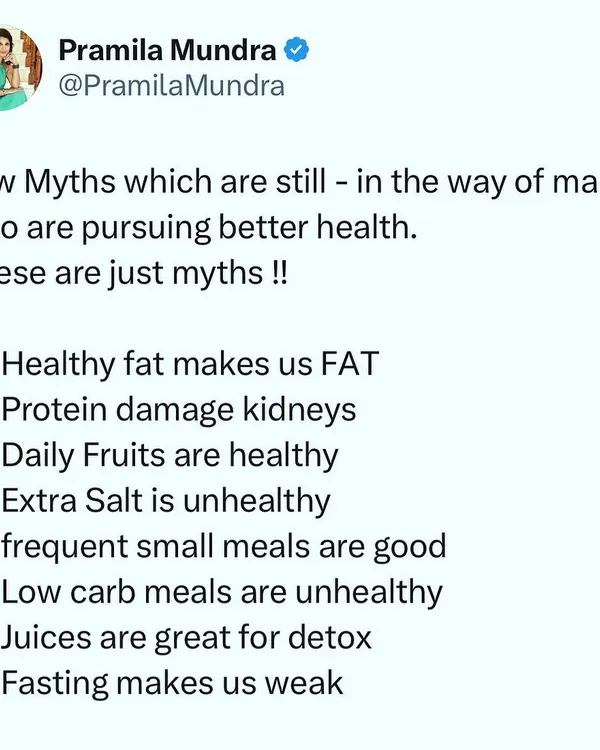
A common myth is that protein only comes from supplements. The fact is, your plate is already full of excellent protein sources like lentils, beans, eggs, paneer, and chicken. Whole foods are always better than powders.
It's a myth that all calories are created equal. Calories from protein, healthy fats, and whole grains have very different effects on your body, metabolism, and satiety compared to calories from sugar or refined carbs.
Many people believe supplements can replace whole foods, but that's a myth. Supplements should only complement a balanced diet, not replace the wide range of nutrients you get from eating real food.
This video explains the science behind how excess sugar causes inflammation in the body. Chronic inflammation is linked to many health problems, including arthritis and heart disease, which is why reducing added sugar is so important.
This news report highlights the junk food epidemic in India, linking ultra processed foods to 32 different health issues. It shows the alarming rise in convenience food consumption and its impact on national health, including the statistic of 101 million Indians with diabetes.
This tragic news story is a stark reminder of the dangers of extreme, unscientific diets. A healthy lifestyle is about nourishment, not starvation. Always consult a qualified professional before making drastic changes to your diet.
About Busting Nutrition Myths & Misinformation
You have likely been told to cut out entire food groups, swap your meals for shakes, or that supplements are the secret to weight loss. Honestly, most of the 'wellness' advice online is just marketing designed to make you feel guilty about your kitchen staples. I see clients every week who have spent months starving themselves on fad diets, only to end up feeling drained, moody, and right back at their starting weight.
Why Your 'Diet' Isn't Working
When we talk about nutrition, the most common trap is the 'quick fix' mentality. Whether it is extreme calorie counting or relying on expensive supplements to replace real meals, these methods ignore the simple fact that your body needs real, nutrient-dense food to function. I use the 'Food as Medicine' approach, meaning we look at what you already have in your pantry—roti, sabzi, dal, and local ingredients like methi or jamun—to manage your health.
The Problem with 'Noise'
Misinformation in nutrition is dangerous. I often see clients who have damaged their metabolic health by following unverified social media trends. Whether it is the 'water diet' trend or the belief that all calories are created equal, these myths ignore the complex science of how your body handles inflammation and insulin.
My Approach: Sustainable, Not Restrictive
I focus on the science of metabolic health:
- Protein is Everywhere: You do not need expensive powders to hit your protein goals. Lentils, eggs, paneer, and local staples are often enough when combined correctly.
- Whole Foods over Supplements: Supplements are exactly that—supplementary. They cannot replace the wide range of nutrients found in whole, home-cooked meals.
- Inflammation Control: Simple dietary shifts, like managing sugar intake and focusing on low-glycemic foods, are the most effective ways to lower inflammation and manage conditions like diabetes or PCOD.
If you are tired of guessing what to eat and want a plan that fits your life, not one that forces you to change your entire existence, I am here to help. We will look at your blood work, adjust your current routine, and build habits that last a lifetime.
Similar work from other experts
Browse through Curated picks from other experts on mytribe
Busting Nutrition Myths
 17
17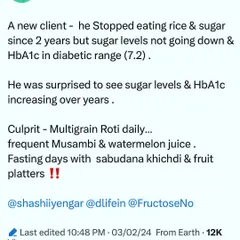

Busting Nutrition Myths and Misconceptions
Nutrition Myth-Busting & Practical Fitness Facts
 143
143
The Science of Sustainable Nutrition
Busting Common Nutrition Myths: Science-Backed Facts for Your Health
Nutrition Myth-Busting: What Actually Works
More from Clinical Nutrition for Disease Management by Neha Bhardwaj
More services by Neha Bhardwaj