Personal Sadhana and Ashtanga Yoga Classes in Bangalore
My daily sadhana is the foundation of my life—a quiet, deliberate process of connecting with the breath, not for perfection, but for presence and inner discovery.
The right intention is the most important part of any practice, or abhyasa. This clip shows my morning surya namaskar, where the focus is simply on the act of practicing, without attachment to the outcome.
A look into the standing sequence of the Ashtanga primary series, including Trikonasana and Parsvakonasana. Each pose is an opportunity to find stability and expansion, grounding through the feet while reaching outwards.
Prasarita Padottanasana, or the wide-legged forward bend, is a grounding posture that calms the mind. For me, this is my happy place, a practice that always brings me back to a state of balance and wellbeing.
This sequence includes several foundational seated forward bends from the primary series, like Paschimottanasana. Each posture is a process of slowly eroding old barriers and building new structures of peace within.
The Marichyasana series involves deep twists and forward bends that detoxify the internal organs and release tension in the spine. This practice reminds me that my self worth is internal and not dependent on outside validation.
Asana provides a powerful opportunity for Svadhyaya, or self study. In poses like Ubhaya Padangusthasana, we can observe the body's response, watch the mind's reactions, and listen to the flow of our breath.
Garbha Pindasana and Kukutasana are challenging postures that teach us about our inner world. They help us confront the vasanas, or deep-rooted mental patterns, that influence our thoughts and behaviors.
The Embryo in Womb Pose, Garbha Pindasana, is deeply calming for the nervous system and improves concentration. It is a spiritual practice that helps unite the mind and soul, bringing balance and stability.
Setu Bandhasana, or bridge pose, can feel like pressure, but learning to relax into it is freeing. This practice has taught me that there is freedom in discipline and that we can change our perspective on challenges.
This clip shows the transition into Setu Bandhasana. It is a reminder that strength comes not from what you can already do, but from overcoming the things you once thought you could not.
About My Personal Practice (Sadhana)
I teach Ashtanga not as a workout, but as a discipline that shifts with your daily needs. In my shala, we do not force the body into rigid shapes. Instead, we use your breath as the primary tool to clear physical and mental friction, focusing on a sustainable sequence that you can carry home with you.
My approach is rooted in the Ashtanga parampara (lineage) and my background as an architect. Just as a building requires a solid foundation, your yoga practice needs a clear understanding of alignment and structure. Whether you are coming to me to manage chronic pain or to deepen your existing sadhana (daily practice), we start by assessing your current physical state.
My Mysore-style classes are highly individualised. I do not provide a generic routine; we observe your movement, adjust the posture to fit your anatomy, and build a sequence that is honest to where you are today. This is not about chasing advanced asanas; it is about svadhyaya (self-study). Through breath control, mindful movement, and occasional chanting, we peel away the layers of discomfort and tension.
This practice is inherently therapeutic—it helps regulate the nervous system, which is why I often work with students dealing with sleep issues or chronic body stiffness. If you are ready to move beyond the aesthetic of yoga and explore its potential for internal change, let's talk about building your unique practice.
Similar work from other experts
Browse through Curated picks from other experts on mytribe
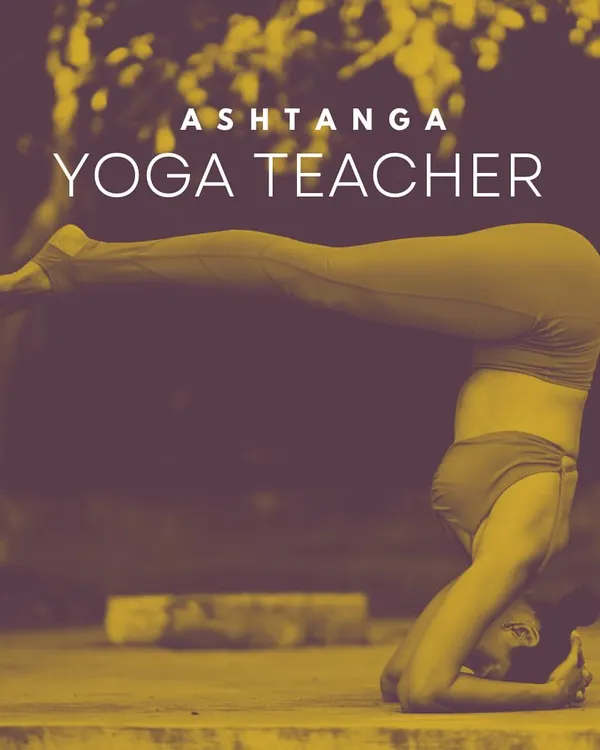 8
8The Ashtanga Yoga Practice
My Personal Yoga Sadhana and Daily Practice
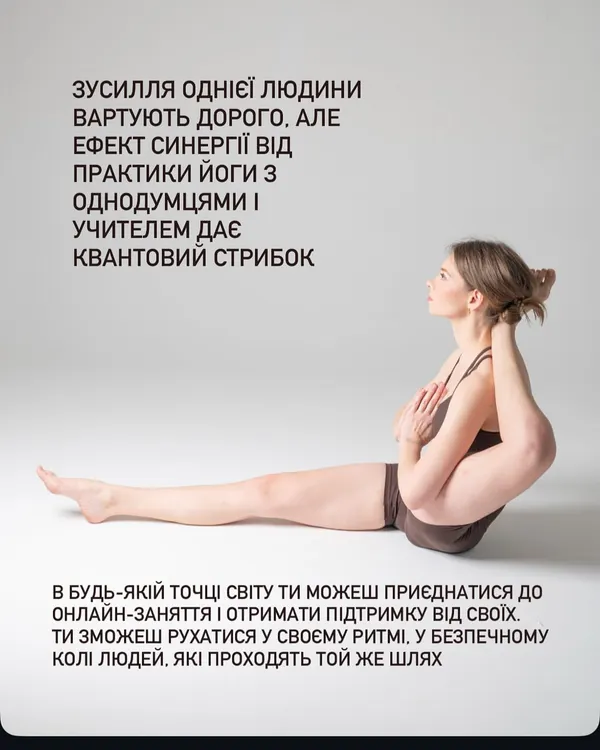 24
24
My Daily Ashtanga Practice: A Journey On the Mat
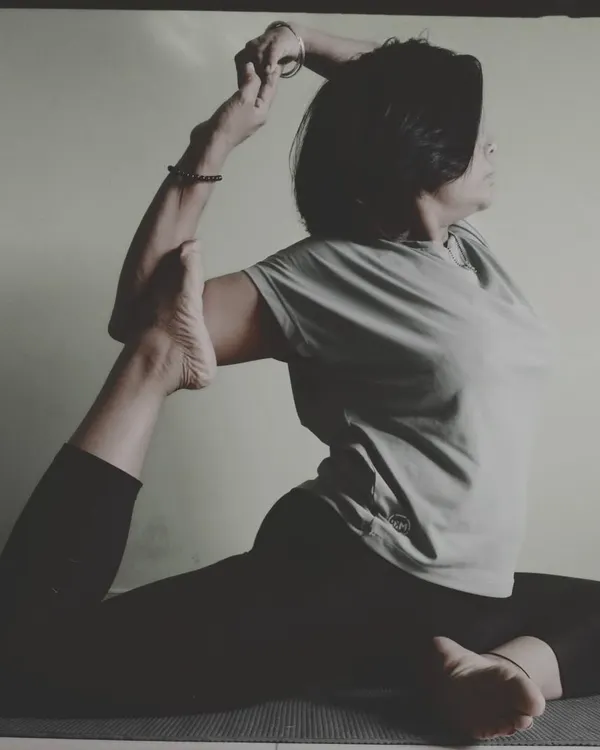 16
16
Advanced Yoga Asanas and Personal Practice

My Daily Yoga Practice: Asanas and Flows for Strength
Ashtanga Yoga Classes in JP Nagar
More from Yoga Therapy by Sanjana Sekar
More services by Sanjana Sekar