Advanced Yoga: Mastering Inversions and Arm Balances
Moving beyond the basics requires more than just strength. It takes awareness, patience, and a willingness to embrace the wobbles. Here, we explore the mechanics of inversions and arm balances to build confidence from the ground up.
Two years ago, my handstand was wobbly and filled me with fear. After working with professional handstand coaches, I learned that alignment and strength come before balance. As a teacher, I believe the only way to teach better is to learn better.
I finally did it. After working on it for what felt like forever, I achieved the transition from a straddle press to a handstand. I may only hold it for a few seconds, but the rush of this achievement is a reminder that consistent effort pays off unexpectedly.
It took me three years to get here with my Karandavasana (Duck Pose). This journey has reinforced the value of consistency. It can be boring to repeat the same actions, but if you focus on the goal, you are always moving forward, even with baby steps.
This handstand reflects my journey as both a student and a teacher. No matter where we are, we all need guidance. Returning to my teacher in Mysore allows me to reconnect, rejuvenate, and gain fresh inspiration, reminding me there’s always room to grow.
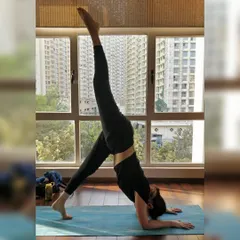
This video shows the real signs that your body is healing and getting stronger, long before the scale changes. Deeper sleep, waking up with energy, and feeling mentally steady are the true victories. Here I am demonstrating poses like Pincha Mayurasana and Urdhva Mukha Svanasana that reflect this inner strength.
There is nothing like the feeling of unlocking a new skill. This was my first attempt at a rope climb, and with a few tips and tricks, it wasn't so bad. My new goal is to touch the bar next time. It's all about setting small, achievable goals.
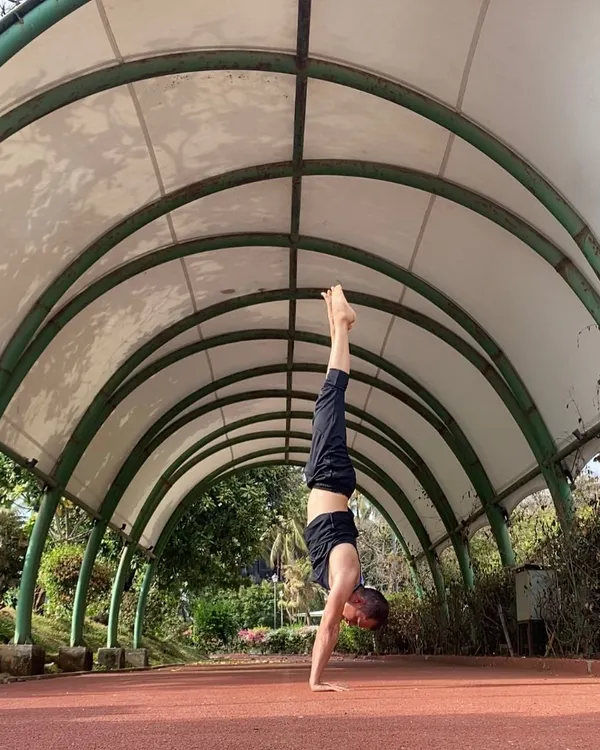
Real practice is messy. It’s showing up, wobbling, and revisiting the basics over and over. Mastery isn’t about moving past the fundamentals; it’s about deepening them with more awareness and grace each time, as I'm doing here with my handstand practice.
After a month of travel and less structured training, I'm easing back into my routine. What better way to restart than with one of my favorite inversions? Here I flow from Balabhadrasana to Shirshasana, finding my balance again one breath at a time.
As 2024 comes to a close, I reflect on its lessons through movement. This practice, featuring Ekapada Rajakapotasana, is a bow to the wisdom the year has taught me: growth comes from discomfort, and progress comes from persistence.
Stillness is strength. Isometric holds, like this wall-assisted handstand, are a powerful way to build physical and mental resilience. They improve core stability, strengthen joints, and enhance focus, elevating both your strength and mindfulness.
About Advanced Practice: Inversions & Arm Balances
These poses are not just about showing off; they are about understanding how to stack your bones and engage your core correctly. If you are struggling to lift off or find your balance, the missing link is often a technical breakdown of the transition rather than more brute force. We work on drills that make these shapes accessible, so you can practice without the constant fear of falling.
Many people view arm balances and inversions as the final level of yoga, but I see them differently. They are not trophies to be won. They are simply another way to converse with gravity. When we spend our lives upright, we get rigid. Turning the world upside down forces us to recalibrate our nervous system, sharpen our focus, and find a new kind of calm in the midst of effort.
If you have been practicing for a while but feel stuck at a plateau, it is usually because you are trying to muscle your way into the pose. True advanced practice is about biomechanics. It is about understanding where your centre of gravity lies and how to stack your joints to support your body weight, rather than relying solely on muscular contraction.
In my sessions, we strip these complex asanas back to their barest components. We look at:
- Alignment: How to align your shoulders and wrists to prevent joint strain.
- Engagement: Learning exactly which muscles need to be active and which can remain soft.
- Transition: The in-between movements that actually build the strength to get you into the pose.
I do not teach you to hold a handstand because it looks good. I teach it because the focus required to balance on your hands clears the mind like nothing else. Whether you are working toward your first headstand, refining your Pincha Mayurasana, or just trying to find a stable transition into an arm balance, the goal remains the same: sustainable, injury-free movement. We wobble, we learn, and we show up.
Similar work from other experts
Browse through Curated picks from other experts on mytribe
Master Advanced Inversions and Arm Balances in Bengaluru
Advanced Practice: Inversions & Arm Balances
Mastering Advanced Asana, Inversions & Arm Balances
Master Advanced Inversions & Arm Balances with Expert Guidance
Advanced Asana and Strength Building
 22
22Advanced Yoga Inversions and Arm Balances in Mumbai
More from Functional Strength & Mobility Training by Sangeeta Kalyan
More services by Sangeeta Kalyan