Authentic Wood Fire Dum Biryani
I do not use gas stoves for my bulk orders. Every degh I cook is placed over real wood and charcoal, the way it should be for true flavour.
This is my kitchen during a large order. You can see my team managing multiple huge deghs, each steaming over a wood fire. This is how we handle catering for hundreds of people.
Two deghs of biryani cooking slowly over embers. This 'dum' process is crucial for creating the perfect texture and infusing the rice with flavour.
Biryani deghs simmering over a bed of charcoal. The constant, gentle heat is key to cooking the rice and meat perfectly without burning.
Stirring a massive pot of biryani as it cooks over an open fire. It takes strength and skill to manage cooking on this scale.
A quick look at my kitchen in action, preparing biryani and chicken starters simultaneously for a large party order.
Layering the biryani by adding par-boiled rice on top of the meat and masala base. This is a critical step in the traditional dum biryani process.
Adding dry spice powders to the masala base in a large degh. I use my own blend of spices to create my signature flavour.
Preparing the base for biryani with onions and green chilies. Every component is prepared fresh for each order.
About Our Process: Fire, Wood & Deghs
Gas burners provide heat, but they cannot replicate the consistent, ambient warmth of a wood fire. When I cook in these massive deghs, the charcoal imparts a subtle smokiness that permeates every grain of rice and piece of meat. This process requires constant attention, as I have to monitor the embers to ensure the dum (slow-cooking) is perfect. It is not the easiest way to cook, but it is the only way to get that kadak masaledaar taste.
You might wonder why I still deal with firewood and ash in my kitchen. The answer is simple: zaayka.
Modern catering relies on speed and convenience, often using gas stoves that apply direct, uneven heat. My method is different. By stacking the deghs over a bed of slow-burning charcoal, the heat surrounds the vessel entirely. This is the definition of dum cooking. The rice doesn't just boil; it steams in its own juices alongside the marinated meat and my special spice blend.
Here is what goes into a typical degh order:
- Heat Management: I control the intensity by moving coals, not by turning a knob. This slow reduction allows the masala to thicken into a rich, spicy gravy rather than a watery base.
- The Dum Seal: We seal the lid to trap the steam. This keeps the mutton or chicken tender while the flavours infuse the rice.
- Logistics: Because I cook this way, I need a bit of lead time to prepare the fire and get the deghs to the right temperature.
I treat every batch, whether it is for a small family gathering in Shivaji Nagar or a large corporate lunch across Bangalore, with the same approach. You are not getting fast food; you are getting tradition. If you are looking for that authentic shine and spice level, this is how it is done. Sehat gayi tel lene, focus on the flavour.
Similar work from other experts
Browse through Curated picks from other experts on mytribe
Authentic Wood-Fire Dum Biryani Catering
Authentic Firewood Biryani in Bengaluru
 7
7Authentic Wood-Fired Biryani Catering in Bangalore
 4
4
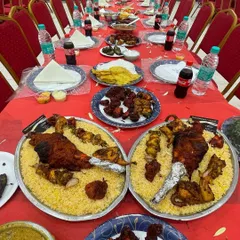
Authentic Wood-Fired Biryani for Your Next Dawat
Authentic Homemade Biryani Process
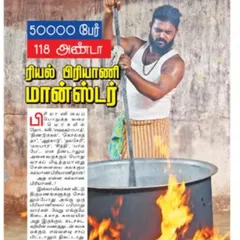
Behind the Scenes: Our Wood-Fire Catering Process
More from Bulk & Party Food Delivery (By the Kilo) by Samiulla Khan
More services by Samiulla Khan