Climate-Responsive & Sustainable Facades
High-performance building exteriors designed to balance natural light, thermal comfort, and energy efficiency for commercial spaces.
Renderings for a low-rise office building in Noida, designed with solar passive architecture. The angled vertical fins are precisely oriented to block harsh sunlight while allowing ambient light, reducing the need for artificial cooling and lighting.
A detail rendering of the industrial fan manufacturing unit. The prominent circular motif, echoing the company's product, is integrated into a facade that uses vertical louvers and brickwork to achieve its green certification goals.
This angled view of the industrial unit's rendering shows the rhythmic pattern of the vertical louvers. This design element is crucial for breaking up the building's mass and providing essential shading for the west-facing wall.
A rendering of a corporate tower where solid and glass elements are balanced for solar efficiency. The darker, solid volume protects one side from solar heat gain, while the glass facade on the other opens up to controlled light, creating a harmonious and sustainable design.
The solid, textured facade of this office building concept is designed to minimize heat absorption. A narrow vertical window slit provides a sliver of light, demonstrating a solar passive approach that prioritizes insulation and reduced energy consumption.
A side-by-side comparison of two material options, aluminum and terracotta fins, for the "Shang Chi Cafe" building. Both options for this west-facing facade are designed to provide privacy and shade, showcasing our versatile approach to sustainable materials.
This rendering shows the "Shang Chi Cafe" building with dark aluminum fins. The sleek, modern fins create a dramatic curved cutout, offering a contemporary solution to solar heat management while defining the building's unique character.
A collage showcasing the terracotta fin option for the commercial boutique. The warmer, earthy tones of the terracotta provide a different aesthetic while performing the same crucial function of shading the interior spaces from the afternoon sun.
A conceptual design that breaks away from the typical all-glass office building. This climate-responsive facade uses solid vertical elements to create a sense of rhythm and provide necessary shading, offering a sustainable alternative in modern commercial architecture.
Another view of the climate-responsive office tower concept. This angle reveals how the building interacts with its site, with a recessed glass base that creates a welcoming entrance while the upper floors remain protected by the solid facade.
About Climate-Responsive & Sustainable Facades
Our facade strategy focuses on neutralising the intense heat gain from Noida’s west-facing sun. By using vertical louvers and high-mass exposed brick, we filter harsh direct light before it reaches the interior glass, which significantly lowers your cooling loads throughout the year.
Designing a building in the Delhi-NCR climate requires more than visual appeal. The western facade is a critical zone for heat gain, and we tackle this by moving away from typical all-glass designs. Instead, we introduce vertical louvers, terracotta fins, or solid brick massing to create a climate-responsive barrier that protects your workspace.
This approach is central to our concept of Alankar. We believe that materials like exposed brick serve a dual purpose, providing thermal mass to regulate interior temperatures while adding a tactile quality that glass cannot offer alone.
For industrial projects, such as our fan manufacturing unit, this means incorporating design elements that do double duty. We use windows optimized for natural cross-ventilation to cut energy reliance, reducing the need for constant artificial lighting and HVAC cooling.
Every project begins with a solar passive analysis of the site. We study the wind direction and sun path to orient the building mass, ensuring that our architectural choices serve the building's longevity and the comfort of the people working inside.
Similar work from other experts
Browse through Curated picks from other experts on mytribe
 8
8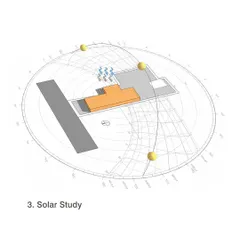
Climate-Responsive and Sustainable Architecture
 24
24
Climate-Responsive & Biophilic Workplace Design
 26
26
Performance-Driven Facades and Computational Structures
Modern Corporate Architecture & Sustainable Commercial Spaces
 14
14
Biophilic & Climate-Responsive Architectural Design
 13
13
Architectural Design and Structural Vision
More from Commercial & Corporate Architecture by Raghvendra Bisen
More services by Raghvendra Bisen