Biophilic & Climate-Responsive Architectural Design
We believe architecture must honor its environment. This collection highlights our commitment to blurring the boundaries between built space and nature through light, ventilation, and integrated greenery.
A hanging garden on the staircase landing of our Utopia project, set against a lush vertical garden wall. This is a core example of our biophilic approach, transforming a transitional space into a living, breathing part of the home.
In our Barkat project, we used expansive windows to invite sweeping views of the lush surroundings into every room. The greenery becomes a part of the interior design, blurring the boundaries between the built and natural environments.
This diagram illustrates our vertical design strategy for the Utopia residence. To overcome a landlocked plot, we carved a skylight and designed a vertical garden to draw light and air deep into the home, mitigating the climate and enhancing wellbeing.
A custom swing suspended over a tranquil water body in the Utopia residence. This feature, set against a dramatic stone wall and adjacent to the vertical garden, creates a multi-sensory experience that is both playful and deeply calming.
For the Tarun Residence remodel, we carved a sunken courtyard into the earth and surrounded it with lush greenery. This intervention breathes light and life into the lower level, transforming a once underutilized space into a vibrant, nature-filled core.
This terrace at our Utopia project features a pergola and comfortable outdoor seating, creating an ideal space for communion and relaxation. The design extends the living area outdoors, fostering a dynamic connection with the surrounding environment.
The living room of the Barkat residence is designed as a glass pavilion, with floor-to-ceiling windows on multiple sides that immerse the inhabitants in nature. A circular skylight further enhances the connection to the sky and daylight.
This bedroom in the Barkat residence opens onto a private balcony, seamlessly extending the tranquil interior into the outdoors. The design ensures that the connection to nature is a constant presence, even in the most private spaces of the home.
A quiet evening on the balcony of the Barkat residence. We design these outdoor spaces as true extensions of the home, with comfortable seating and thoughtful planting that create a serene atmosphere for relaxation.
This rendering for Ramdulari Towers shows a private terrace designed as a green sanctuary in the sky. We believe vertical living should not mean detachment from nature, so we integrate generous balconies and planters into our high-rise designs.
About Biophilic & Climate-Responsive Design
Our approach to biophilic design is not about adding indoor plants; it is a structural intervention. Whether it is carving a skylight into a landlocked plot to pull light deep into the home, as we did in the Utopia residence, or reconfiguring layouts to facilitate natural cross-ventilation, we focus on the physics of the site first. We analyze sun paths and wind directions during the initial sketch phase, ensuring that the greenery and water features serve a functional purpose—cooling the home and enhancing wellbeing—rather than acting as mere decoration.
Architecture is, at its core, a response to the climate and the specific land it occupies. When we design a home, we look for ways to harmonize the structure with its natural context. This means moving beyond standard layouts to consider the orientation of every room relative to the sun path and prevailing wind directions.
Designing for the Local Climate
In projects like the Barkat residence, we utilize floor-to-ceiling windows and open plans to invite daylight and cross-breezes, which significantly reduces the reliance on artificial lighting and climate control systems. For properties in denser or landlocked contexts, we employ vertical strategies—such as the double-height voids and skylights seen in the Utopia project—to draw air and light into the center of the structure.
The Intersection of Nature and Function
Biophilia is not a cosmetic choice. We treat nature as a building material. Water bodies are placed not just for aesthetics, but as active cooling elements that moderate the ambient temperature of adjacent spaces. Green walls and courtyards serve as thermal buffers, softening the impact of extreme weather while offering psychological relief.
Adaptive Reuse and Sustainability
Our restorative design approach, exemplified by the Tarun residence, applies these same climate-responsive principles to existing buildings. By carefully mapping structural load zones, we can introduce skylights or reconfigure walled-off rooms into open-plan living areas. This process minimizes the carbon footprint of construction while transforming an aged structure into a modern, breathable, and energy-efficient home that respects its original architectural history.
Similar work from other experts
Browse through Curated picks from other experts on mytribe
 14
14
Biophilic Architecture and Green Home Design
 8
8
Biophilic Architecture: Integrating Light, Air, and Nature
 7
7
Biophilic Spaces and Nature-Integrated Architecture
 9
9
Biophilic Architecture and Nature-Integrated Design
 26
26
Sustainable and Biophilic Residential Designs
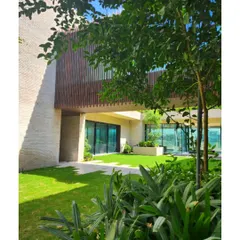
Living with Nature: Verandahs & Courtyards
More from Residential Architecture by GroupDCA
More services by GroupDCA