The Science of Recovery & Nutrition
Real progress isn't made by pushing through fatigue. It happens when you recover. Learn how to optimize your rest, sleep, and fuel to stay injury-free.
If your progress has stalled, the culprit might be your recovery. I explain the difference between passive recovery, like sleep, and active recovery, like a gentle walk, and why a combination of both is key for athletes.
Are you overtraining? I discuss the common signs, such as constant fatigue, elevated resting heart rate, and recurring injuries. You grow during rest, so a smarter program with adequate recovery is more effective than simply pushing harder.
Overtraining is defined as training beyond what your body can recover from. It leads to breakdown, not progress, and a "grind harder" mindset will only make it worse.
Watch for these red flags of overtraining: constant fatigue, trouble sleeping, elevated resting heart rate, mood swings, a drop in performance, and frequent injuries or joint pain.
The real damage of overtraining includes muscle breakdown, chronic inflammation, hormonal imbalance, and mental burnout. Recovery is not optional, it is essential for progress.
Instead of overtraining, prioritize sleep, add active recovery days, and listen to your body. You should also cycle your intensity rather than going all-out daily and ensure you are fueling properly.
My final thought on this is simple: training hard is good, but training smart is better. Your goal should be longevity in your sport, not breakdown.
Consistency does not mean giving 100% effort every single day. It means showing up and respecting your body's signals, whether that means pushing hard or taking a day for active recovery.
An important note for all athletes: rest days are a part of your training, not a break from it.
The critical principle of rest is that it's a day to wind down and let the body recover. The harder you train, the more you need planned rest.
About The Science of Recovery & Nutrition
Many athletes treat rest as just a break from their workout schedule. This is a mistake. Passive rest (lying on the couch) is only one piece of the puzzle. If you are constantly stiff or sluggish, you are likely missing out on active recovery—deliberate, low-intensity movement that flushes out metabolic waste and accelerates your repair process. At my clinic, I teach you to treat your rest days with the same strategic focus you give your hardest training sessions.
Your muscles do not grow in the gym. They break down during training and rebuild during recovery. When you ignore this, you stop adapting and start accumulating fatigue. Here is how I structure the science of recovery for my clients:
The Two Types of Recovery
- Passive Recovery: This is your foundation. It includes 7 to 9 hours of quality sleep and complete days off. This is non-negotiable for repair. If you are sleeping less than 7 hours, no amount of training volume will make you faster.
- Active Recovery: This is the missing link for many. On days between hard runs or heavy lifts, you should perform low-intensity movement—a gentle walk, easy yoga, or a light cycle. This increases blood flow, which delivers fresh oxygen and nutrients to tissues, effectively clearing out the metabolic byproducts that cause soreness.
Avoiding Overtraining
I often see athletes pushing through 'stabbing' pain or constant fatigue because they fear losing progress. This is counterproductive. Overtraining is not just about volume; it is about doing more work than your body can recover from. If you notice a drop in your performance, an elevated resting heart rate, or persistent joint pain, it is time to reassess. We do not need to guess; we can look at your data.
Strategic Nutrition and Fueling
Recovery is also chemical. You cannot rebuild tissues if you are not fueling them. I work with clients to ensure their nutrition supports their training intensity. This means balancing carbohydrates to replenish glycogen stores after a long run and prioritizing protein intake to facilitate muscle repair. It is not about restrictive dieting; it is about fueling the work you are asking your body to do.
If you want a program that finally stops the cycle of soreness and injury, let's look at your current routine.
Similar work from other experts
Browse through Curated picks from other experts on mytribe
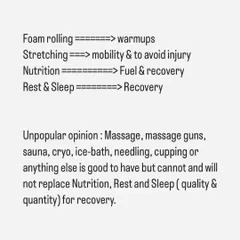
The Science of Recovery: How to Repair and Perform
 22
22Fueling Your Body: Nutrition & Recovery

Hydration and Recovery Hacks for Athletes
 5
5


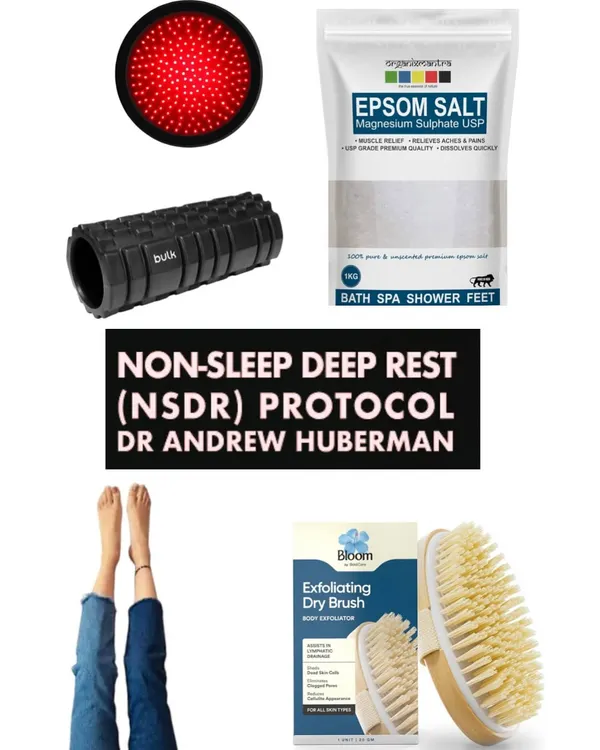
Rest, Recovery and Sleep Strategies for Real Life
 11
11
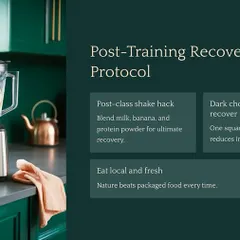
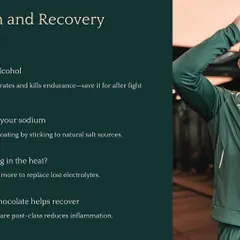
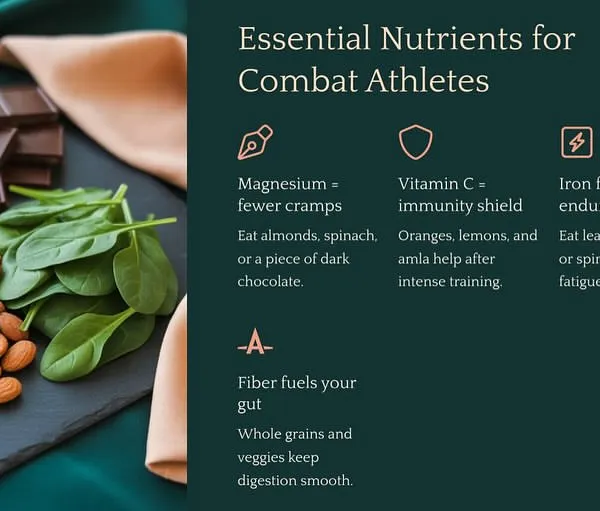
Combat Nutrition and Recovery for Fighters
Fueling Your Fitness: Workout Recovery & Nutrition
More from Specialized Strength & Conditioning by Paridhi Ojha
More services by Paridhi Ojha