Sports Injury Diagnosis and Prevention
Don't just mask the pain. Understand exactly why it’s happening with data-driven diagnostics and a recovery plan designed to get you back in action.
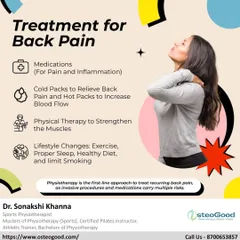
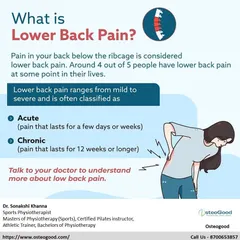
Lower back pain can often be linked to a condition called sacroiliitis, an inflammation of the SI joint. I explain how overworked paraspinal and glute muscles can cause this and why the solution involves both relaxation and targeted strengthening.
This infographic breaks down what you need to know about ACL injuries. I cover what the ACL is, how injuries happen (both contact and non-contact), risk factors, symptoms, and key prevention strategies like strength and stability training.
I often see patients who have been told to simply "avoid" movements like squatting due to knee pain. However, research shows that controlled strength training is actually beneficial for conditions like osteoarthritis, as stronger muscles protect the joints.
A diagnosis of osteoarthritis does not mean your active life is over. Preventing pain through smart, modified activity is far easier than treating it after the fact.
Activities like running, weight training, and hiking will not worsen arthritis if the load is managed correctly. The loss of muscle and strength is actually associated with a decreased lifespan, so staying active is key.
That sharp, jabbing pain in your side during a workout is called a side stitch, or exercise-related transient abdominal pain. This infographic series explains the potential causes, risk factors, and prevention strategies.
Potential risk factors for side stitches include your fitness level, eating too close to exercise, and not warming up properly. Younger athletes and exercising in cold weather can also increase the risk.
If you get a side stitch, you can treat it by stopping the activity, focusing on deep breathing, and gently stretching the affected side. Pulsating the area with your fingers can also help.
To prevent side stitches, focus on regulating your breathing, strengthening your abdominal muscles, and performing longer, lower-intensity workouts to build conditioning.
Simple prevention tips for side stitches include staying well hydrated, avoiding sugary drinks before exercise, and taking in fluids in small amounts throughout your workout.
About Injury Clinic: Diagnosis & Prevention
If you're dealing with a persistent niggle, the most important thing is to stop the 'no pain, no gain' cycle. If discomfort lasts beyond 48 hours, it is not normal soreness—it is likely damage. I use objective clinical tools like MAT (Movement Assessment Tool) and 3D gait sensors to find the hidden imbalances, whether in your hip or your ankle, that are actually causing your pain elsewhere.
Moving Beyond Symptoms
Most people visit a clinic and get a blanket instruction: 'don't squat,' 'don't run,' or 'take a week off.' This is rarely the answer. Pain is just a signal that something in your kinetic chain isn't working as intended. My job isn't to tell you to stop moving; it's to find out why your body is struggling so we can fix the root cause.
My Diagnostic Approach
When you come in for an initial evaluation, we skip the guesswork. We use:
- MAT (Movement Assessment Tool): To objectively measure your range of motion and balance using standardized grids.
- Runeasi 3D Gait Analysis: To map your biomechanics while you move, identifying asymmetries that you can’t feel but are definitely slowing you down or causing overuse injuries.
- Kinetic Chain Review: We assess your entire movement chain. Often, that nagging knee pain actually starts with poor stability in your glutes or a limitation in your ankle mobility.
The Path to Prevention
Once we have the data, we build a roadmap. This isn't just about 'healing'—it's about building resilience.
- Load Management: We apply the 10% rule to ensure your training volume increases safely without overwhelming your tissues.
- Functional Strength: We focus on the stability work your sport demands, ensuring your muscles protect your joints, not just move them.
- Active Recovery: We teach you how to properly manage fatigue so you don't end up back on the treatment table.
Whether you are dealing with recurring shin splints, an ACL concern, or just want to understand why you feel stiff after a workout, we work to make your body stronger and more capable than it was before the injury.
Similar work from other experts
Browse through Curated picks from other experts on mytribe
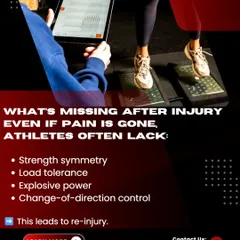
Scientific Injury Rehabilitation and Prevention
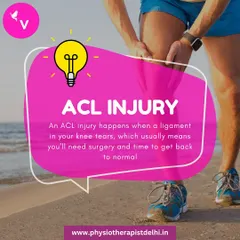
Sports Injury Rehabilitation and Recovery
Sports Injury Rehabilitation & Performance Enhancement
Expert Physiotherapy Insights: Understand Your Pain
Athlete Recovery & Peak Performance Programs
 20
20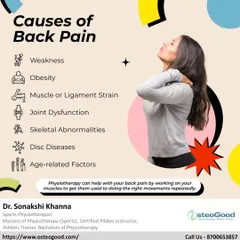
Your Guide to a Pain-Free Life
More from Specialized Strength & Conditioning by Paridhi Ojha
More services by Paridhi Ojha