The Philosophy Behind Our Play-Based Learning
We believe play is a fundamental right for every child, not just a break from their studies. Here is the approach that drives our joyful, stress-free learning environment.
What if school was built to see the best in a child? At Papagoya, child wellbeing isn't an add-on; it's the foundation. When a child feels happy and safe, their brain opens up, and learning flows naturally.
A child's brain cannot learn when it's in survival mode. Clinical Psychologist Bakul Dua explains how stress, shame, or bullying can "flip the lid," preventing learning. This is why creating a safe emotional space is our first priority.
We don't always have the right answers, but we always show up, listen, and try again. Supporting a child's emotional wellbeing is about building relationships, trust, and taking the time to understand their individual needs.
Play is the work of childhood. Our founder, Helen, shares a powerful call to action for the first UN International Day of Play, explaining why we must come together to give children back the spaces and opportunities to play freely.
Why do we offer a full-day program? Our founder explains that it's about providing more opportunities for the deep, unstructured play that is so crucial for development but is often missing in modern childhood.
In free play, children learn to navigate their emotions, build resilience, and develop coping skills. An emotions chart like this is a simple tool we use to help children identify and express how they are feeling.
Taking risks and learning to make choices is a key part of development. Free play provides a safe environment for children to experiment, test their limits, and build real-world problem-solving skills.
When children play together without adult direction, they learn to cooperate, negotiate, and resolve conflicts naturally. These are essential social skills that are best learned through direct experience.
When children lead their own play, they build confidence and independence. We see this every day as they invent games, take on roles, and bring their imaginative worlds to life.
We are thrilled that our founder, Helen Issar, was featured in the UN Women book "Hum: When Women Lead." It is a meaningful validation of our work and our all-women team's commitment to enabling women and families.
About Our Philosophy: The 'Why' Behind Our Play
At Papagoya, we actively design for emotional safety because we know that when a child feels stressed or compared to others, their brain enters survival mode and stops learning. We do not use grades or rote tests to measure progress. Instead, our Playmakers focus on one-on-one relationships, creating environments where a child feels safe enough to be curious, take risks, and truly engage with their world.
Why Play is Not Just Fun
For us, play is the work of childhood. It is the most natural way for a child to develop resilience, social skills, and complex problem-solving abilities. When we see a child building a tower or sorting recycled materials, they are not just passing time, they are laying the neurological foundations for lifelong learning.
Moving Away from 'Survival Mode'
Clinical research consistently shows that when children are under stress—whether through labeling, punishments, or comparisons—the brain struggles to process new information. We call this 'flipping the lid.' Our classrooms in Cambridge Layout, Frazer Town, and Kumara Park are designed to keep the brain calm and curious. We prioritise:
- Emotional Safety: Quiet nooks for reading and one-on-one check-ins with Playmakers to ensure no child feels overwhelmed.
- Child-Led Discovery: We use 'Invitations to Play' rather than rigid, adult-directed schedules, giving children the agency to make choices.
- Mixed-Age Interactions: This naturally helps children learn to negotiate, cooperate, and resolve conflicts without constant adult interference.
A Community Built Together
Our philosophy extends to the families who join us. We see parenting as an act of shared responsibility. By enabling mothers to return to work through our full-day programs, we support the whole family ecosystem. Whether you are an educator looking for new ways to facilitate learning or a parent seeking a school that sees your child for their unique spark rather than their flaws, our doors are open. We don't claim to have every answer, but we do promise to listen, experiment, and keep showing up for your child.
Similar work from other experts
Browse through Curated picks from other experts on mytribe
Our "I Play, I Learn" Educational Philosophy
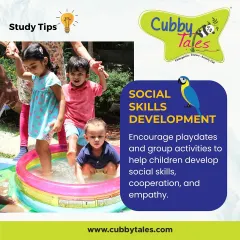
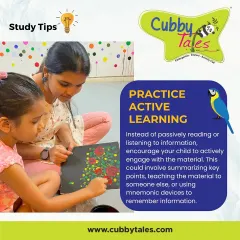
Our Educational Philosophy for Preschoolers
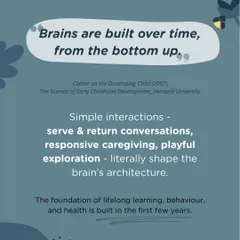
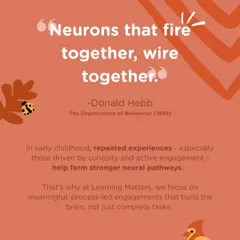
The Science of Learning: Why Play Shapes Your Child
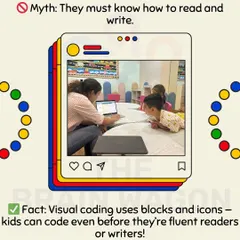
Learning Through Joyful Discovery
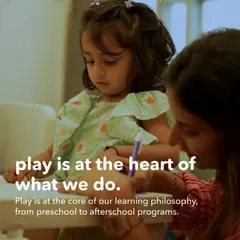
The Science Behind Our Play-Based Learning
Discover Our Preschool Philosophy in Vidyaranyapura
More from Play-Based Learning Workshops & Training by Papagoya
More services by Papagoya