Play-Based Classroom Learning in Action
Step inside our classrooms, where every day is an adventure. We believe children learn best when they are fully immersed in play, turning curiosity into meaningful discoveries.
How do you build a curriculum around play? Here, our Playmaker introduces the digraph 'sh' by making shawarma. The children chopped, cooked, and documented the recipe, learning literacy and life skills in a delicious, hands-on way.
When a Playmaker returned after a lung infection, the children's questions turned into a learning moment. They became pulmonologists for the day, examining CT scans and learning how lungs work.
A child uses a balloon and straw model to simulate breathing. This hands-on activity helped our learners visualize and understand the function of the lungs in a tangible, memorable way.
A Playmaker shows children a CT scan of lungs, turning a real-life event into a powerful, inquiry-based learning experience. This is what it means to be responsive to children's curiosity.
Our Micro-School learners engage in a debate on "Who is responsible for preventing pollution?" Representing scientists, government, and more, they used research and critical thinking to argue their points, exploring concepts like civic responsibility.
After reading a story on Dr. B.R. Ambedkar, our learners explored social inequality. One child was so moved by the issue of manual scavenging that he designed a machine to do the work, a powerful example of learning that inspires action.
We made Rava Idlis while exploring history. The children learned how this dish was invented by MTR during a rice shortage in WWII, connecting a hands-on cooking session with a real-world historical event.
To learn about measurement, our students became paleontologists. They excavated salt-dough dinosaur fossils and used worksheets like this to document the length of each bone, blending science with math.
A kitchen scale is used to weigh the "dinosaur bones." This simple tool turns a classroom activity into a real-world scientific investigation, making abstract concepts like weight tangible.
Another worksheet from our paleontology project, this one focused on documenting the weight of each fossil. This is how we make learning subjects like math playful and relevant.
About A Glimpse into Our Classrooms
You might see us teaching the digraph 'sh' by cooking shawarma or exploring anatomy after a teacher shares a personal health story. We do not follow a rigid script because we believe the best learning happens when we respond to a child's natural curiosity. If a child asks a question, we explore it together, whether that means setting up a makeshift lab or baking a recipe to understand a historical event.
How We Design Learning
At Papagoya, we view the classroom as a living, breathing space. Our 'Playmakers' do not just deliver lessons; they observe the children and design experiences that meet them where they are.
The Power of Narrative Whether we are learning about history through the story of how MTR invented Rava Idli during a rice shortage, or debating environmental responsibility in our micro-school, we ground every concept in a real-world story. This transforms abstract subjects like literacy, math, and social studies into tangible experiences.
Hands-on Investigation When our students study paleontology, they do not just read about dinosaurs. They become the scientists. They excavate salt-dough fossils, use real kitchen scales to measure weight, and solve two-digit addition problems through 'Dino Problems.' This is how we integrate core curriculum requirements without the rote memorization that children often find disengaging.
Responding to Curiosity Our most powerful moments often come from the unexpected. When a Playmaker returns from a break, and children have questions, that curiosity becomes the lesson plan. By embracing these moments—turning a lung infection into a lesson on pulmonology, or a bathroom soap shortage into a conservation project—we teach children that their questions matter. This builds confidence, critical thinking, and a genuine love for lifelong learning.
Similar work from other experts
Browse through Curated picks from other experts on mytribe
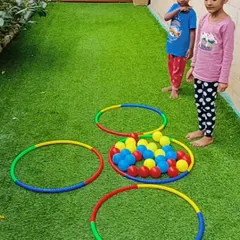
Learning Through Play Programs
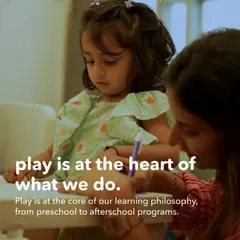
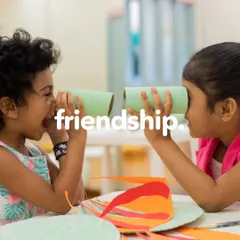
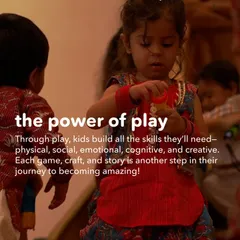
The Science Behind Our Play-Based Learning
Our Play-Based Preschool Approach
 20
20
Learning Through Play: Beyond ABCs
Our "I Play, I Learn" Educational Philosophy
Our Favorite Learning Through Play Highlights
More from Play-Based Learning Workshops & Training by Papagoya
More services by Papagoya