The Science of Learning: Why Play Shapes Your Child
Play is not a break from learning; it is how the brain builds itself. Explore the research and philosophy behind our child-led, neuro-affirmative approach.
Play is not a luxury; it is essential for brain development, self-regulation, empathy, and problem-solving. In this video, we explore the neuroscience behind play and why protecting it is fundamental to helping a child grow.
Our founder, Sonya Philip, shares a powerful message on the International Day of Play. She explains why it is our duty as adults to provide children with the time, space, and autonomy to direct their own play, allowing the magic of learning to happen naturally.
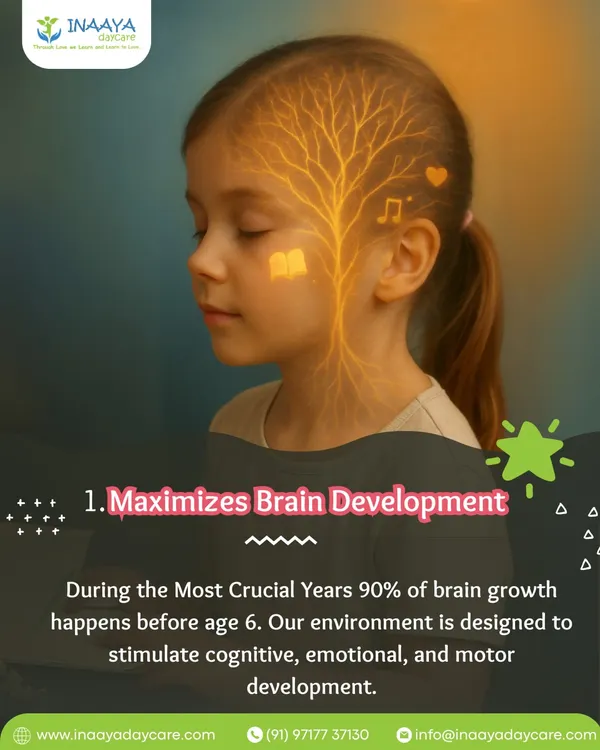
As Harvard University's research shows, brains are built from the bottom up. Simple serve-and-return interactions, responsive caregiving, and playful exploration are not just moments of connection; they are literally shaping a child's brain architecture for life.
The scientific principle "neurons that fire together, wire together" is the foundation of early learning. We focus on meaningful, process-led engagements driven by curiosity, because repeated, active experiences are what build strong neural pathways in a child's brain.
Jean Piaget famously said, "Play is the work of childhood." Modern research confirms this, showing that play activates multiple brain areas to enhance memory, attention, language, and emotional regulation, building the foundation for lifelong learning.
What works best for your child: adult-led guided discovery or child-led free exploration? This infographic compares the two approaches, highlighting how child-led play empowers children, promotes intrinsic motivation, and develops crucial social skills.
Play is our brain's favorite way of learning. This series explores how play cultivates the essential "Cs" of 21st-century skills: Creativity, Critical Thinking, Communication, and Collaboration, which are fundamental for growth in childhood.
Creativity thrives where rules do not govern exploration. Through play, children experiment with materials and ideas, developing the ability to think divergently and explore 'what if' scenarios, which is the groundwork for innovative thinking.
Play is a constant exercise in critical thinking. Whether navigating the rules of a game or figuring out how to stabilize a tower of blocks, children are actively practicing problem-solving and decision-making with every choice they make.
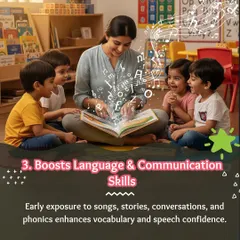
Play is a dialogue that requires children to articulate thoughts, express feelings, and listen to others. This ongoing exchange, whether verbal or non-verbal, builds adept communicators who can convey their ideas and understand others.
About Our Core Philosophy: The Science of Learning
We move away from performance-based outcomes to focus on the 'how' of learning. Whether a child is building with blocks or exploring textures, our educators observe the problem-solving and intent behind their actions. By giving children the time to repeat tasks and experiment, we allow them to build complex neural pathways naturally, rather than rushing toward a finished product.
The Neuroscience of Play
At Learning Matters, we recognize that brains are built from the bottom up. Following research from the Center on the Developing Child at Harvard, we emphasize 'serve and return' interactions—responsive caregiving that shapes neural architecture. We believe that neurons that fire together, wire together; therefore, we prioritize meaningful, repetitive engagements driven by curiosity rather than rigid task completion.
The Reggio Emilia Influence
Our framework is inspired by the Reggio Emilia approach, which honors the '100 Languages of Children.' We understand that children communicate through more than words—they express themselves through movement, art, rhythm, and silence. By slowing down to observe these expressions, we build deeper trust and provide an environment that feels safe for exploration.
Why We Prioritize Process Over Product
In a world obsessed with milestones, we create space for boredom. We understand that not every minute needs to be filled with structured activities. When we allow a child the freedom to direct their own play, we are not just helping them 'have fun.' We are helping them develop critical executive functions, emotional regulation, and resilience. Whether you are a parent looking to support your child at home or an educator seeking inclusive classroom strategies, our philosophy ensures that the focus remains on the journey of discovery, not just the final result.
Similar work from other experts
Browse through Curated picks from other experts on mytribe
 25
25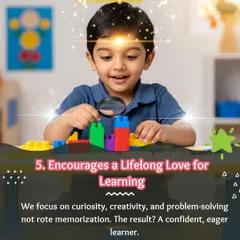

Our Philosophy & Approach to Early Learning
The Philosophy Behind Our Play-Based Learning
Learning Through Joyful Discovery
Play-Based Learning Activities at The Learning Space
Learning Through Play: Where Curiosity Meets Wonder
Learning Through Play Activities for Kids
More from Professional Development for Educators & Parents by Learning Matters
More services by Learning Matters