The Science of Sensory Play: How We Build Brains
Sensory exploration is more than messy hands and colourful dough. It is the literal foundation of how children learn, build neural connections, and develop critical life skills.
Why is sensory play so important? Because it's the very foundation of how a child learns and grows. It’s not a break from learning, it is learning.
The messy, joyful moments of play today are paving the way for big milestones tomorrow. Every discovery, no matter how small, contributes to a child's success in school and in life.
Every shake, squish, swirl, and splash helps a child's brain grow stronger. Sensory play builds crucial neural connections that support all future learning.
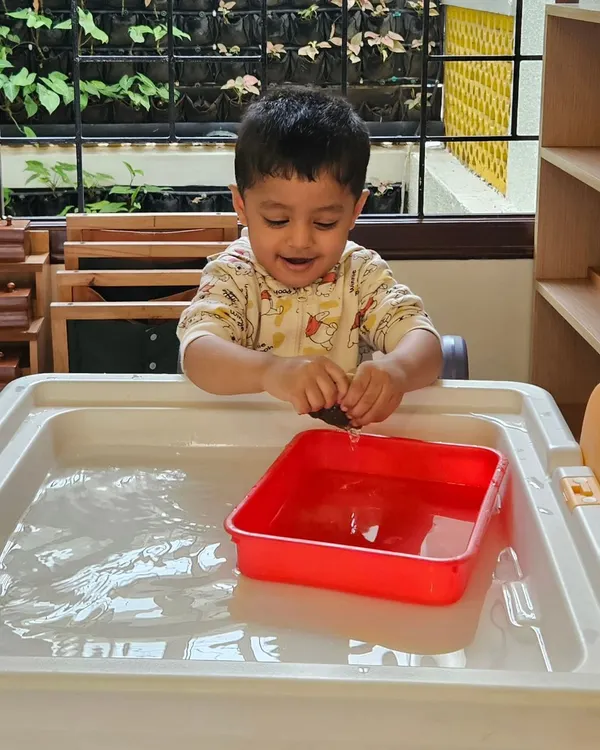
Watch a child refine their fine motor skills as they pinch, pour, and mold. These actions build strength and coordination in their hands, which is essential for tasks like writing.
The simple act of swirling water or watching glitter settle can be incredibly calming for a child. We teach you how to use sensory activities to help children feel focused and regulated in a busy world.
Sensory play is where curiosity meets discovery. It brings learning to life by allowing children to explore the softness of sand, the stretch of slime, or the scent of fresh playdough.
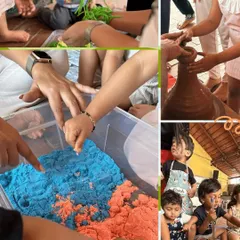
We regularly host Sensory Play Days for toddlers. These events are packed with activities like slime, play dough, and glow-in-the-dark painting, designed for children aged 1-3 to explore with their senses.
About The Science of Sensory Play
When children pinch, pour, and mold, they are doing far more than playing. These movements refine fine motor skills—the exact same grip strength required for holding a pencil later in school. By providing these messy, tactile experiences in a controlled space, we help children transition from pure exploration to focused learning, turning raw curiosity into tangible confidence.
Beyond the Mess
Sensory play is the brain's favorite way to learn. When a child squishes slime, they are not just making a mess; they are learning about viscosity and resistance. When they pour water, they are grasping basic physics and spatial awareness. Neural connections form rapidly when a child engages multiple senses at once, which is why we prioritise these activities in every curriculum we design.
Why We Do It
We skip the boring worksheets because they rarely stick for a toddler. Instead, we use materials like homemade dough, glow-in-the-dark paint, and textured sand. Each material serves a specific purpose in a child's development:
- Fine Motor Skills: Pinching and molding builds the muscle strength in fingers and hands needed for writing.
- Emotional Regulation: The simple act of swirling water or watching glitter settle helps children find calm and focus in a busy, overstimulating environment.
- Cognitive Processing: Trying to figure out why the paint feels cool or why the sand flows through fingers encourages problem-solving and observational skills.
Join the Play
Whether you are a parent looking for a preschool in Indiranagar, Whitefield, or Sarjapur, or an aspiring educator wanting to learn our teaching methodology, our approach remains the same. We facilitate discovery, not just instruction. Our sensory play sessions are designed to be safe, stimulating, and inherently fun, ensuring that every child—and every trainee—walks away having learned something new through the simple act of doing.
Similar work from other experts
Browse through Curated picks from other experts on mytribe
 11
11
Sensory Play Activities at Ace Montessori
Sensory Exploration Activities for Toddlers
Sensory Development Activities for Toddlers
Sensory & Messy Play for Toddlers
 119
119
Process Art & Sensory Play
Sensory and Messy Play Adventures for Kids
More from Teacher Training Academy by Openhouse
More services by Openhouse