Play-Based Learning Activities for Children
See how we turn simple, everyday materials into powerful learning tools. These activities help children develop fine motor skills, critical thinking, and empathy through hands-on play.
This "Clean the Muddy Pigs" activity is a perfect example of learning through play. While children think they are just having fun with mud and water, they are actually developing empathy, responsibility, and fine motor skills by patting, rubbing, and squeezing.
A simple water activity becomes a lesson in hand-eye coordination and focus. Trainees learn how to create engaging challenges like this fishing game, using simple materials like pipe cleaners and popsicle sticks to build confidence and motor skills.
How do you teach children about bees? You build a beehive together! This activity shows how we use art and teamwork to teach concepts about nature, developing fine motor skills and cognitive understanding in a fun, collaborative project.
We created our own rainbow Play-Doh from scratch, teaching children about color mixing and cause and effect. This sensory activity strengthens fine motor skills as they knead, roll, and cut the dough, unleashing their creativity.
About Designing Play-Based Activities
We believe you do not need expensive toys to create meaningful learning moments. Whether it is making rainbow dough to teach cause and effect or 'cleaning muddy pigs' to build empathy, every activity is designed to address a specific developmental milestone. If you are looking for ways to engage your child meaningfully or want to learn these facilitation techniques yourself, let us talk about how you can join our community.
Why Play Matters
At Openhouse, our methodology is built on a simple premise: children learn best when they are active participants, not passive observers. When you see a child kneading flour into rainbow dough or 'fishing' with popsicle sticks, you are witnessing the building blocks of cognitive and physical development.
Turning Fun into Growth
Each activity we facilitate serves a purpose.
- Fine Motor Control: Through kneading, squeezing, and manipulating objects like pipe cleaners, children strengthen the small muscles in their hands and fingers, which is essential for writing later on.
- Cognitive Links: Making a 'beehive' out of paper cups is not just art. It introduces concepts of structure, teamwork, and biology in a way that sticks.
- Emotional Intelligence: Activities like 'cleaning the muddy pigs' provide a safe environment for children to explore concepts of responsibility and empathy.
Join the Movement
Whether you are a parent wanting to foster this kind of creative, independent learning at home, or an aspiring educator eager to train in our play-based methodology, we invite you to see it in action. Our '99% Play, 1% Theory' approach is designed for those who believe that messy hands and curious minds are the real signs of a successful education.
Similar work from other experts
Browse through Curated picks from other experts on mytribe
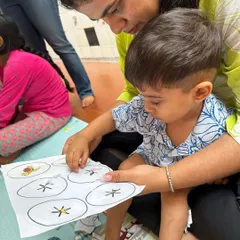
Play-Based Learning Activities for Toddlers
Our Play-Based Preschool Approach
Hands-On Sensory & Fine Motor Play for Toddlers
 4
4
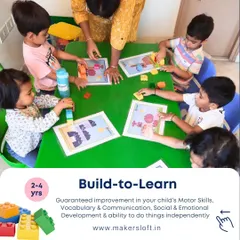
Building Blocks for Early Learners: Hands-on Play in Bangalore & Kolkata
 40
40
Montessori Activities for Home to Build Independence
 20
20
Learning Through Play: Beyond ABCs
More from Teacher Training Academy by Openhouse
More services by Openhouse