Labor Positions & Comfort Measures for a Confident Birth
You do not have to lie flat on your back during labor. Your body knows how to give birth, and these movements simply help it find the most efficient path.
Your body instinctively knows when to move and when to rest during labor. This video demonstrates different positions for active labor and for resting with a peanut ball to help your baby descend.
Back labor can be intense, but there are many ways to find relief. This guide shows effective comfort measures like pelvic tilts, child's pose, and using a TENS machine to manage sensations.
The Miles Circuit is a sequence of three positions designed to help get your baby into an optimal position for birth. It can be used to encourage labor to start or to regulate contractions.
The first step of the Miles Circuit is the open-knee-chest position. This pose uses gravity to create space in your pelvis, encouraging the baby to rotate and engage.
Step two is exaggerated side-lying. This position helps to relax the pelvic floor and can be particularly useful for managing back labor or a stalled labor pattern.
The final step is getting up and moving. Simple actions like lunges, walking up stairs sideways, or curb walking help settle the baby down into the pelvis.
A partner's touch during labor is a powerful tool for comfort and connection. Here are specific massage patterns for the back, hips, and glutes that can provide significant pain relief.
To perform these massages effectively, your partner can use firm pressure with their thumb or whole hand. Using a natural oil helps the hands glide smoothly over the skin.
Massage works by disrupting pain signals to the brain and stimulating your body to release oxytocin and endorphins. These are your body's natural pain relievers and help labor progress.
This simple drawing shows a baby in the "sunny-side up" or occiput posterior position. I teach you how to use movement and positioning to avoid this and encourage an easier birth.
About Labor Positions & Comfort Measures
Most hospital beds are the worst place to be if you want to speed up progress or manage pain effectively. When you stay active—using gravity to help your baby descend—you significantly reduce the duration of labor and the intensity of back labor. I teach specific techniques like the Miles Circuit, pelvic tilting, and partner-led hip squeezes that transform your support person from a bystander into an active participant. These movements aren't just exercises; they are tools to break the fear-tension-pain cycle and keep your labor moving forward.
Why Movement Matters
Birth is an active, physiological process, not a medical condition. When you are confined to a hospital bed, you often fight gravity and lose the ability to instinctively move your pelvis. This stillness often leads to stalled labor and increased pain. My sessions focus on working with your body’s mechanics, not against them.
Practical Techniques We Cover
- The Miles Circuit: A series of three specific positions designed to help your baby rotate into the optimal 'left occiput anterior' position. This is particularly effective if labor is irregular, slowing down, or if you are experiencing intense back labor.
- Partner-Led Comfort: Your partner should be your greatest support. I teach them specific massage patterns, counter-pressure techniques, and how to help you find positions that relieve pressure on your spine.
- Active Labor Positions: From lunges and curb walking to using a peanut ball or rebozo, we explore how to change your position to match your baby's descent. We also cover what to do if the baby is in a posterior ('sunny-side up') position.
When to Start
Don't wait until you are in labor to learn these movements. The brain and body need practice to recall these positions when the intensity builds. We begin working on these in your second or third trimester, so when the time comes, you and your partner can switch between these positions naturally without having to think twice. Whether you are aiming for a natural birth or want to be informed about your options before an induction or epidural, these tools give you agency in the birthing room.
Similar work from other experts
Browse through Curated picks from other experts on mytribe
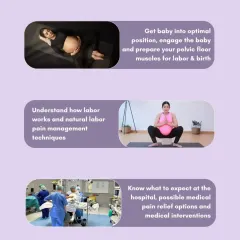
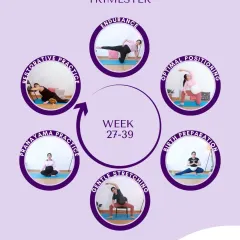
Prepare for Labor & Birth With Confidence
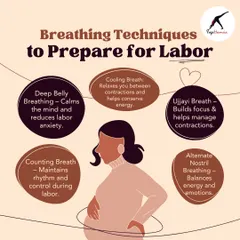
Labor Preparation & Breathing Techniques
Practical Labor Techniques and Birth Preparation
 8
8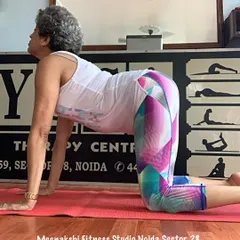
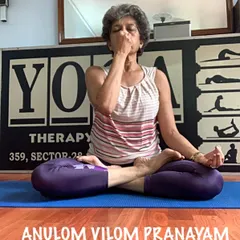

Prenatal Yoga and Labor Prep Sessions
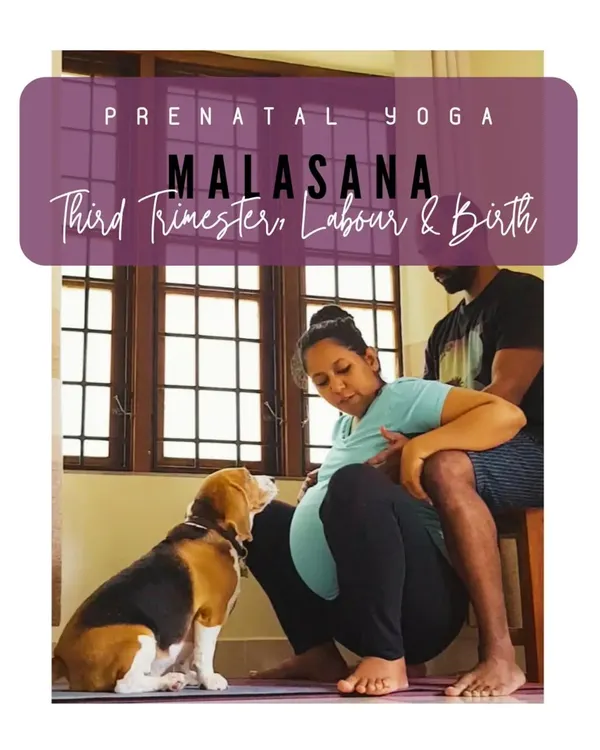 7
7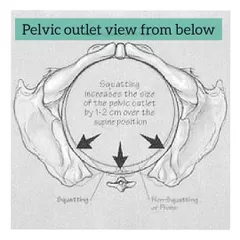
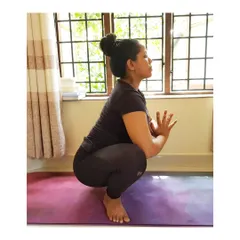
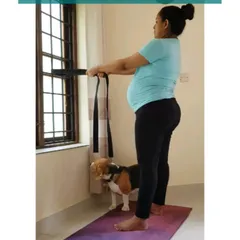
Essential Prenatal Yoga Poses for Labor Preparation
Hands-On Birth Preparation Workshops in Bangalore
More from Prenatal and Postnatal Fitness Classes by Pujitha Shetty
More services by Pujitha Shetty