Preschool Learning Through Nature Exploration
We believe children are born observers of the natural world. At our Kanakapura campus, learning happens amidst terrace gardens, visiting sunbirds, and the quiet rhythm of our own green spaces.
Our campus is alive with nature. This video captures some of our regular visitors, including a stick insect camouflaged on a branch and a sunbird tending to its intricately woven nest.
A small spider rests on a flower right outside our door. I encourage children to observe these little creatures, fostering a sense of wonder and respect for all living things.
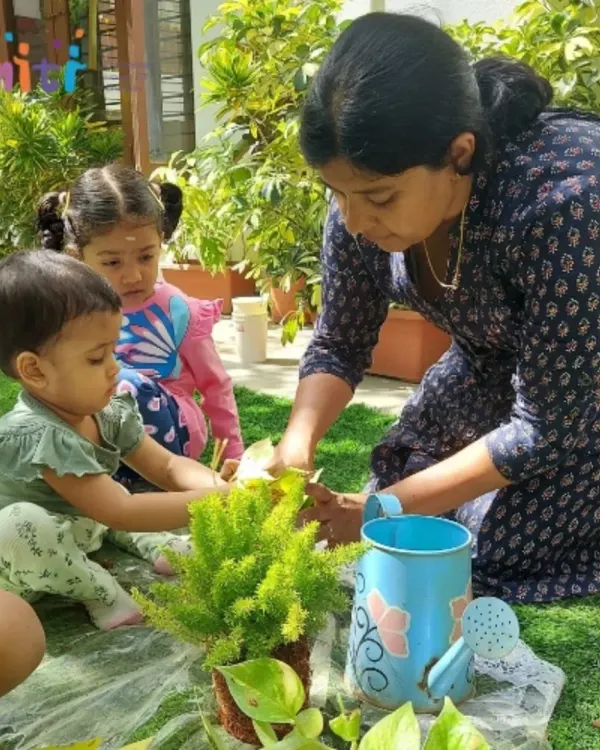
A small harvest of green peppers from our terrace garden. The children get to participate in planting, watering, and harvesting, learning where their food comes from.
Vibrant purple beans grown right here at Hastam. Exploring the unique colors, textures, and shapes of vegetables from our garden is a wonderful sensory experience for the children.
Fresh tomatoes picked from our garden. These small harvests are a source of great pride and excitement, connecting children directly to the cycles of nature.
We found this tiny snail on a leaf after the rain. Using a magnifying glass, the children were able to observe its delicate shell and slow movement, a perfect lesson in patient observation.
The monsoon brings a special kind of beauty to our campus, turning our garden into a lush, green sanctuary. It's a wonderful time for observing the rain and how it nourishes the plants.
Our garden is a beautiful tapestry of flowers and greenery. I believe that being surrounded by natural beauty is calming and inspiring for a child's developing mind.
About Our Connection to Nature
When we talk about nature, we do not mean a park visit. Our students are actively involved in the life cycle of our garden. Whether it is planting seeds, harvesting green peppers, or using a magnifying glass to watch a snail move after the rain, they learn biology through direct experience, not worksheets.
Nature is not a subject on a schedule at Hastam Montessori; it is the fabric of our campus in Talaghattapura. We believe children are spontaneous observers, and by providing a living classroom, we allow that curiosity to drive their cognitive development.
The Living Classroom
Our terrace garden serves as a primary tool for sensorial and scientific discovery. When a child picks a tomato or feels the texture of purple beans, they are engaging in a sensory-rich learning process that textbooks cannot replicate. This hands-on interaction builds a foundational understanding of growth, life cycles, and botany.
Developing Patience and Observation
Modern childhood is often rushed, but nature demands patience. We encourage our children to slow down. Whether they are waiting for a sunbird to return to its nest or observing the delicate shell of a snail, these moments teach focus and respect for living things. By watching the monsoon transform our garden into a lush sanctuary, children develop a sense of stewardship and a connection to the environment that lasts a lifetime.
Why Nature Matters in Montessori
Dr. Maria Montessori emphasized the importance of the child's environment. By integrating nature into our everyday routine on Kanakapura Road, we provide a calm, non-competitive space. This reduces the pressure of traditional academics, allowing children to develop empathy and emotional intelligence as they care for the small creatures and plants that share our space.
Similar work from other experts
Browse through Curated picks from other experts on mytribe
Learning Through Nature at Kinfolk Montessori
 15
15
Learning in Nature's Classroom
Learning Beyond the Classroom Walls: Nature-Based Montessori
Nature, Gardening & Outdoor Exploration
 89
89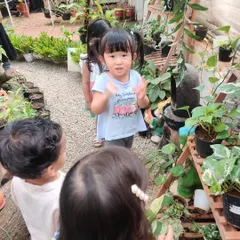
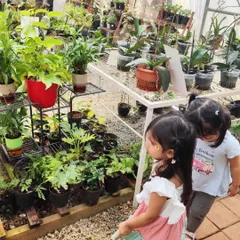
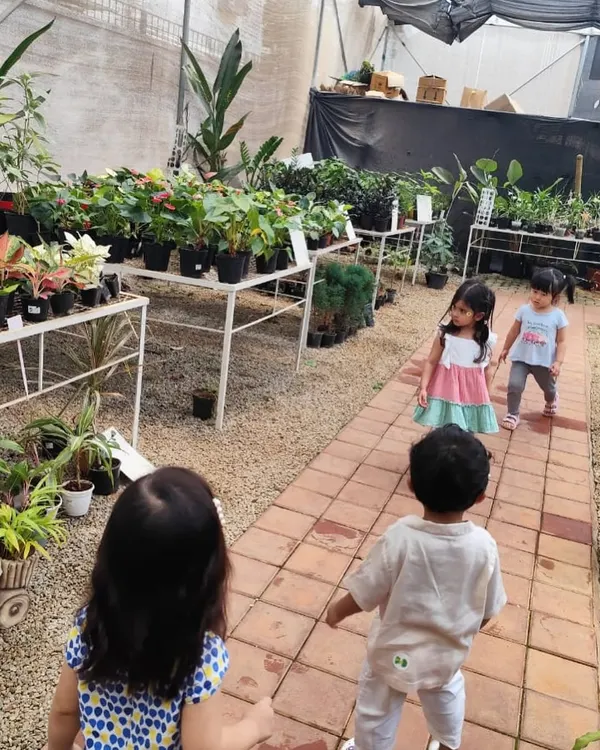
Nature-Based Learning & Field Trips for Preschoolers
 16
16
Nurturing Young Environmentalists
More from Montessori Preschool Program by Hastam Montessori
More services by Hastam Montessori