Learning Beyond the Classroom Walls: Nature-Based Montessori
We believe the best classrooms don't have four walls. At our Jayanagar campus, we bring Montessori learning into the garden, where soil, seeds, and stories turn nature into a teacher.
We celebrated Children's Day with Mother Nature. Our children enjoyed stories, music, and the beauty of the outdoors, a perfect example of our belief in learning through experience.
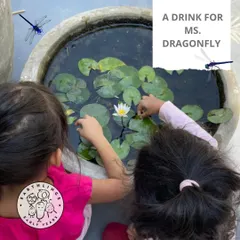
Springtime exploration in our garden. Children are encouraged to touch, feel, and smell the flowers, developing their senses and a love for botany in the most natural way.
"There must be provision for the child to have contact with nature." We were thrilled to have a bulbul visit our school, and the children observed it with gentle curiosity, learning to appreciate the harmony of nature.
Our little gardeners at work. This video highlights the many benefits of gardening, from developing motor skills and sensory stimulation to learning scientific observation and patience.
About Learning Beyond the Classroom Walls
Our children don't just learn about botany; they become gardeners. When a child carefully waters a sapling or observes a visiting bulbul in our Jayanagar garden, they aren't just playing. They are building patience, refining fine motor skills, and developing a scientific curiosity that abstract lessons simply cannot provide. This environment allows them to take responsibility for living things, which is the cornerstone of our practical life curriculum.
Why Nature is Our Second Teacher
Maria Montessori once said, 'There must be provision for the child to have contact with nature; to understand and appreciate the order, the harmony, and the beauty in nature.' In our Jayanagar Montessori house, we don't treat the outdoors as a place for just running around. It is a structured, prepared environment where children learn to observe and interact with the world.
Hands-On Science and Botany
When children sow seeds in our garden, they are practicing biology, sensory exploration, and fine motor control simultaneously. They learn how to handle delicate roots, the amount of water a plant needs, and the patience required to watch a bud bloom. This is how we teach biology—by doing, not by looking at pictures in a textbook.
Developing Social and Emotional Skills
Being outdoors in a mixed-age group creates natural opportunities for mentorship. You will often see a five-year-old teaching a three-year-old how to hold a trowel or where to find the best sunlight for a plant. These interactions build community and empathy, core pillars of our holistic approach to child development. Whether we are celebrating a festival like Onam amidst the greenery or simply conducting a storytelling session under a tree, the outside world provides a rich, tactile, and unpredictable learning ground that challenges children to think critically and adapt.
Similar work from other experts
Browse through Curated picks from other experts on mytribe
Nature-Based Learning at Kinfolk Montessori
Field Trips & Nature Learning: Learning Beyond the Classroom
 12
12
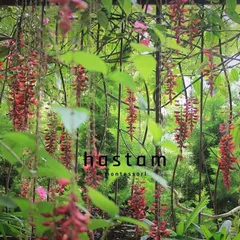
Nature-Based Montessori Play and Learning Areas
 44
44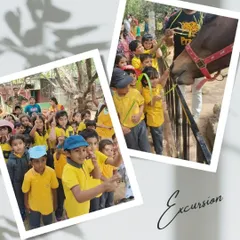
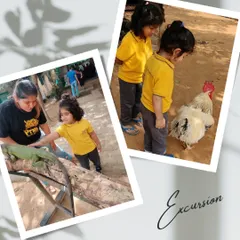
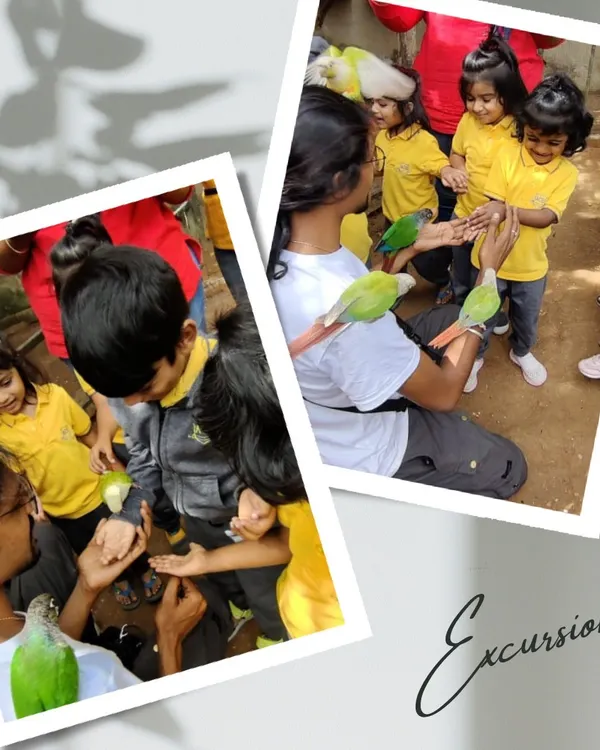
Science & Field Trips: Learning By Doing
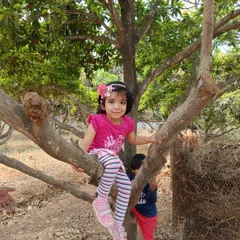
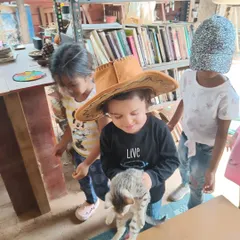
Hands-on Field Trips and Outdoor Adventures
 15
15
Learning in Nature's Classroom
More from Montessori Preschool Program by Glow'n'Glitter
More services by Glow'n'Glitter